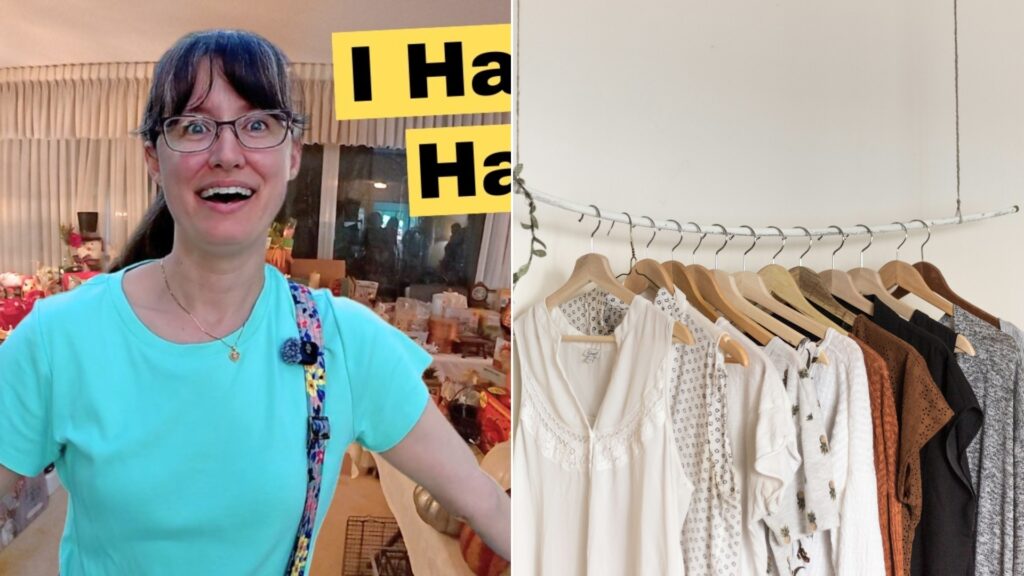
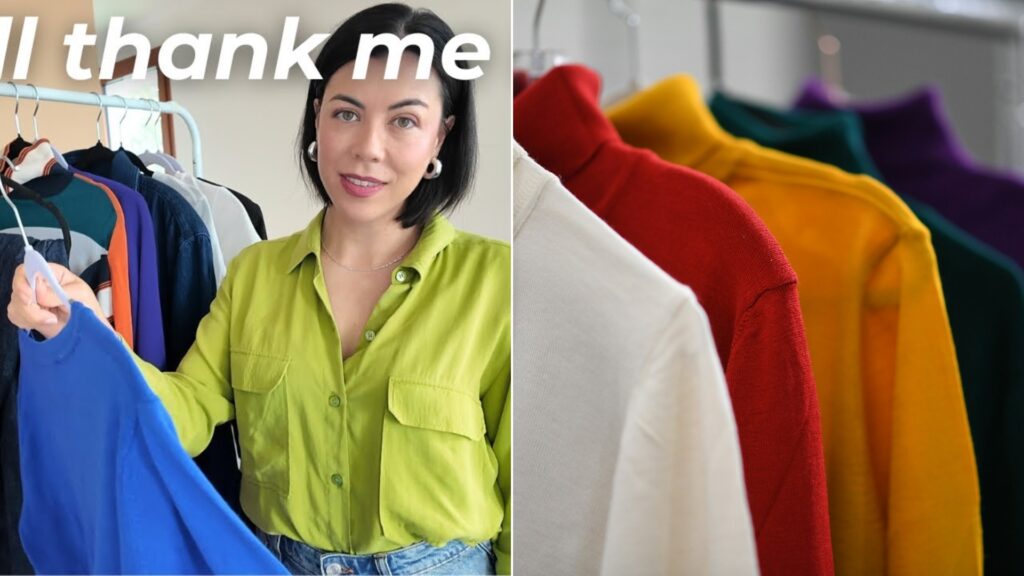
If you have ever come home from the store with something you did not need, you are in good company. Lauren, a former trauma therapist and medical facility owner who now makes frugality videos at Lauren_Theresa, says she buys almost nothing these days. She is quick to say it is not because she was born a saver. She had real spending problems, and there was always something she wanted.
What changed, she says, was learning to see how she was being sold promises. Promises that a decor item would make her look put together, that a gadget would make life easier, that a hobby kit would turn her into a new person. As someone who has decluttered and recluttered many times, she says those promises do not always deliver.
In one video she lists the nine things she stopped buying, and several of them will sound familiar to anyone over 50.
Clothes She Does Not Need
Her first category is clothing. She skips the usual buy-nicer, buy-twice advice and says there is nuance. She has bought clearance shorts at Target that she loves and still wears, and she has paid too much for a pricey pair of bike shorts that she took off immediately every time she put them on.
Today she mostly shops at the church thrift store down the street. She lives in Hawaii, so she buys all-cotton t-shirts and cuts them up. When she does want something new, she goes to Poshmark and haggles, and she says she has paid about 50% off the ticket price for nearly new items. She also swapped her Apple Watch for a step-counting watch that cost $20, which she says she likes ten times better. She gave the Apple Watch to her child, who now plays with it like a toy.
Random Home Decor
This one, she says, is huge. The Ross and Marshalls home sections, she jokes, hate to see her come in. By her own count, the bath mats she has bought over the years are too many to tally.
Her fix is to have fewer things so the ones she loves stand out. She took down her curtains and art in the living room and put them away. If she feels overstimulated, she moves items out of sight and waits to decide, because she has given things away before and then rebought them. She notes that hotels and spas feel calming because there is not much calling your name.
Cheap Versions That Break
Frugality, she says, is a bit of live and learn. She recently bought a two-pack of fly swatters because she lives in Hawaii and often keeps the doors open. She swatted a fly and the head broke off right away.
Her point is that twenty purchases of $8 each cost far more than a single $20 item you buy once. Small spending is still spending, and a low-buy experiment shows how fast it adds up. When she added up one month of Amazon purchases, she found things like flower-shaped car seatbelt covers, which her boyfriend asked about. Her answer was that they were cute and only $8.99. They do serve a purpose, she says, but the total was a rough awakening.
Hobby Supplies She Might Use for Three Weeks
She loves trying new things, especially crafts, and admits she has been the person who announces she will be a gardener and then forgets to water. Her advice is not to buy $700 worth of gardening supplies. Try a free Facebook group first, where people may hand you a garden bed or let you volunteer on their plot.
She also took four inexpensive sewing classes before buying a machine. After two she felt the activity turn into a chore, emailed the teacher to say thank you, and never returned. She is happy she does not own a sewing machine. Her question for any new hobby is whether you enjoy doing it or enjoy the idea of being someone who does it.
Convenience Purchases and Trendy Products
She audited her grocery bill last month. Her grocery and eating-out budget was $600, and she says she went up to $800 with small stops of $22, $12 and $37 at Safeway. Convenience pricing, she says, is the quickest way to ruin her budget, so now she brings snacks when she heads out to volleyball or picks up the kids.
On trends, she loves the 90s nostalgia pages but is not curating her whole home that way. A splurge once or twice a year on something kitschy is fine, she says, but cute can turn into regret.
Gadgets, Just-in-Case Items and Mood Fixes
She bought a $30 special bathroom mop in a panic one week when the house was a mess, even though her regular mop would have done fine. She has also bought and gotten rid of several robot vacuums, which kept getting stuck or falling down the stairs.
Now, if she might need something later, she tells herself she can buy it then. She swapped medical-grade skin care for Lubriderm lotion. Her last item is buying things to change how she feels. Shopping feels good, she says, but sometimes what she needs is a nap, a call to someone, or time outside with the birds.
Her Practical Takeaway
She recommends having a set budget and paying cash when you can, because you feel the pain more than with a card. She also suggests treating your home like a small business and taking inventory regularly.
Before you buy, she says, wait a week. When she feels anxiety around a purchase, she treats it as her body saying not now. Her advice is to take what you want and leave the rest, because everyone’s finances are different.
More Stories You May Like
- Holding Onto Things Out of Guilt Feels Bad but One Woman Says It Feels Even Worse to Finally Let Them Go
- Seven Items That Sell Almost Instantly Are Listed by a Reseller Who Says Most People Do Not Know What They Have
- School Tells a Parent to Stop Making Their Kid Good Lunches Because Other Kids Are Jealous and Parents Are Furious