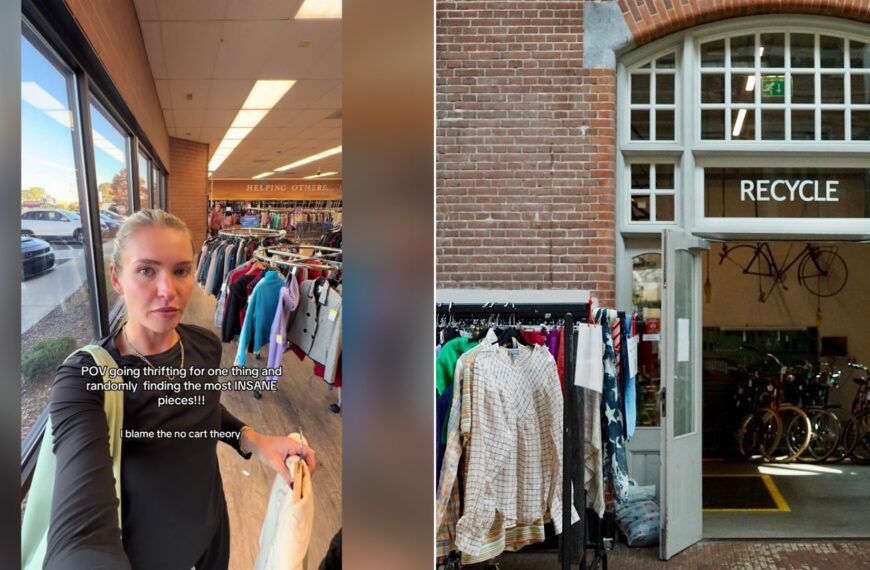
We all have those clothes. They hang in the closet, they are perfectly nice, and every morning we walk right past them. When style creator Margaret Conway looked at the pieces she kept skipping, she decided to try something before sending them to the donation pile. She wore her least-worn clothes for a whole week.
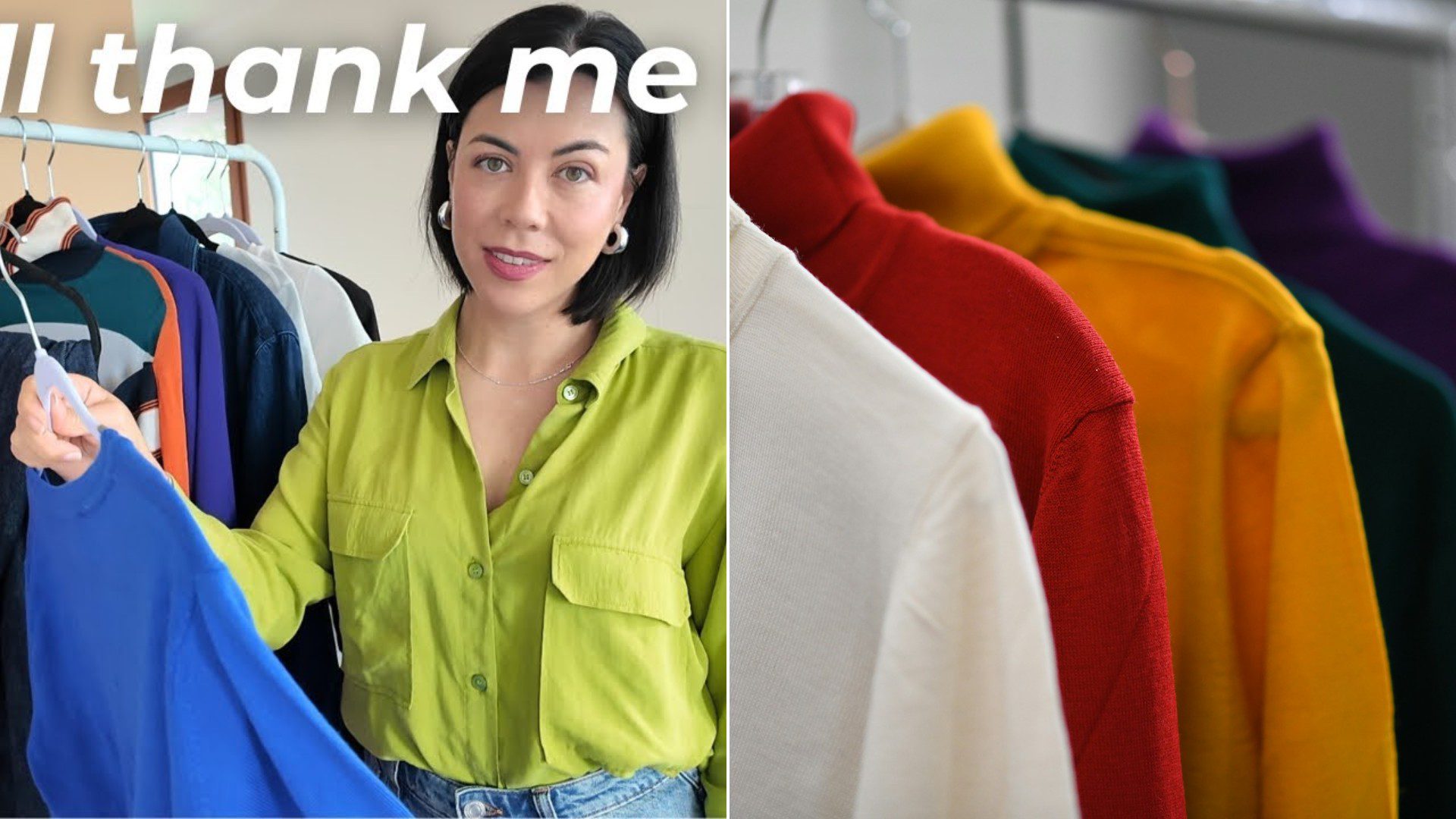
Her wardrobe experiment turned up three reasons good clothes sit unworn, and it even changed how she dresses on an ordinary weekday.
She is not talking about a wedding dress from five years ago. She means everyday items, like basic t-shirts and jeans, that should be simple to style but somehow never get picked.
What Was in the Least-Worn Pile
The lineup included plain white t-shirts, a long-neglected skirt, a Louis Vuitton top she bought a couple of years ago and used to wear often, and a pair of dark denim Mango jeans she bought new online on sale for $28. She called them a bargain.
It also included two secondhand pieces, one from a thrift shop and one she found on Depop, neither of which she had worn before the experiment. Finally, there was a blazer she had worn a couple of times but never felt comfortable in.
She says she had already spent 30 days decluttering her entire wardrobe back in May. Even so, she wanted to understand why these particular items kept getting passed over.
Fit, Function and Feeling
By the end of the week, she says, nearly every item came down to three questions: fit, function or feeling. Most of the pieces satisfied two of the three but not all of them, and everything else in her wardrobe, which she has gone through carefully, ticks all three boxes.
The Mango jeans are a good example of fit. They are high-waisted with a wide leg, while she usually prefers a more fitted leg. She wears jeans almost every day, yet she was skipping these. They also need a small heel, which she assumed was too much effort. But she wore them to work and was super comfortable. Her conclusion was that saying you do not like something tells you nothing. You have to put it to the test in the real world.
A purple vintage jacket from a secondhand shop showed a problem with function. It suits her color and is on trend, but it was too loud for work and too dressy for weekends. She had bought it without giving it a job to do. Once she wore it over a casual outfit, it tied everything together.
Her blazer showed a feeling problem. It makes her feel polished, but the fabric attracts lint so easily that the shine wears off. She says a lint roller solves that, and if she upgrades, she will look for a better fabric.
Putting Clothes on Probation
She calls her method putting clothes on probation. Any item you are unsure about gets 30 days to prove itself in your actual life. You see not just how it fits physically, but how it fits into your routine and how you feel in it emotionally.
A blue jumper from Kettlewell was a good case. She bought it two sizes bigger than usual, wanting an oversized look, but it arrived more fitted than expected. Instead of tossing it, she tied it around her waist, where it worked more like a belt. She says that even when something does not fit on the surface, you can sometimes find a more creative way to style it.
The Surprise Benefit of Getting Dressed Up
The biggest surprise came after work. Normally she would stay in her work clothes through the evening. This week, she changed into one of her probation pieces before dinner with her mom and her husband, and a casual dinner suddenly felt like an occasion.
The same happened when she changed into the purple piece for an errand run with her husband. It took her about three minutes. She says it felt more like a date than an afternoon of errands, and all she changed was her top.
She links this to the idea of enclothed cognition, the notion that clothes can influence how we feel and act. She was not trying to feel a certain way, but putting in a little extra effort made the evening feel special and intentional. Her takeaway was that clothes can help you create the occasion instead of waiting for one.
Start With One Foundation Piece
She also learned that being creative does not take much energy if you start with one piece. She wore the neglected skirt to work, and it helped her pull in other items she rarely wears, including a pair of Adidas Sambas. She got compliments that day.
She cannot plan a whole week of outfits at once, so choosing a few random pieces and styling around them works better for her. She still uses her usual outfit formulas, but she says boring does not have to mean neutral. She received a compliment in every outfit she wore that week, which she says does not happen every day.
Before You Clean Out Your Closet
Her advice is to not confuse I do not wear it with I do not like it. Before a big wardrobe cull, ask whether the item fits, whether it functions in your life and how it feels. Then test it for a week, or even a month.
She says your most-worn clothes show you what already works, while your least-worn clothes reveal what you do not yet understand about your wardrobe. She may still part with that blazer, but now she knows why, and she did not treat her least-worn pieces as mistakes.
More Stories You May Like
- She Went From A Four Bedroom House With Three Kids To Owning Only What Fits In Her Subaru, And Shares 12 Ruthless Downsizing Tips
- Mom Deep Cleans the House She Already Knows She Will Not Get to Keep After Her Divorce and Explains Why She Is Choosing a Fresh Start for Her Kids
- Consuming Too Much Decluttering Advice Can Make Decluttering Feel Harder, Because Your Brain Gets Overloaded If You Never Act On It