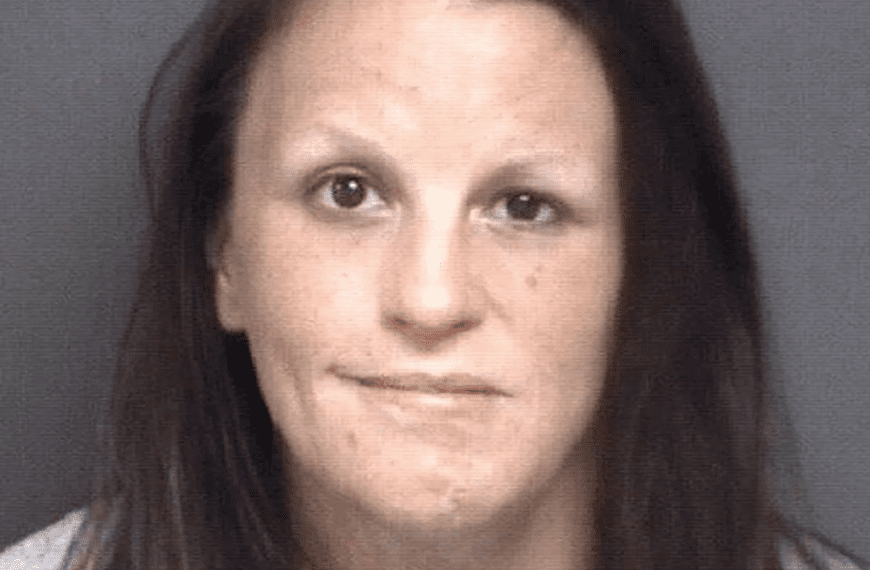
You’ll want clear facts fast: a Philadelphia foster parent now faces third-degree murder and child endangerment charges after a 20-month-old drowned while in her care, and officials later ruled the manner of death a homicide. The case raises immediate questions about supervision, agency oversight, and why the medical examiner’s ruling took months—issues that could affect policy and accountability.
The post will track the criminal case, the family’s wrongful-death lawsuit, and the scrutiny on child-welfare agencies that placed the toddler in the home. Follow the developments to understand what investigators found, how agencies responded, and what this means for foster-care oversight going forward.
Foster Parent Charged After Toddler’s Drowning Death
A 20-month-old boy died in a bathtub in a Harrowgate rowhouse, and prosecutors later charged the foster parent with criminal counts after the medical examiner ruled the death a homicide. The account below covers what happened at the home, the formal charges, the medical examiner’s role, and details from the probable cause affidavit and police response.
Details of the Incident in the Harrowgate Neighborhood

On April 15, officers and medics responded to a house on East Schiller Street in the Harrowgate neighborhood where a toddler, later identified as Sy’vir Hill, was found unresponsive in a bathtub. The foster parent, Apalosnia Watson, told police she had left Sy’vir and two other young children in the bath while she went downstairs to use the microwave. She said she heard “flipping in the water,” returned and found the toddler motionless-facedown, then performed CPR and called 911.
Multiple children lived in the home at the time, including a 4-year-old, a 2-year-old, and a 4-month-old infant, according to investigators. The household layout and number of children became central to later civil claims about placement and supervision.
Legal Charges Against Apalosnia Watson
Prosecutors charged Apalosnia Watson with third-degree murder and endangering the welfare of a child. The murder count followed the Philadelphia Medical Examiner’s determination that the toddler’s cause of death was drowning and the manner of death was homicide. Watson was arrested in January and released on a $500,000 unsecured bail bond as the case moved forward.
Defense counsel has argued Watson lacked malice, which is typically required for murder, and called the death a tragic accident. Meanwhile, the child’s biological family has pursued wrongful-death litigation against Watson and the agencies that placed Sy’vir in the home, alleging failures in oversight and placement decisions.
Role of the Philadelphia Medical Examiner
The Philadelphia Medical Examiner’s Office performed the postmortem exam the day after the child’s death but did not immediately finalize the cause and manner. Months later, on Dec. 4, the office ruled the cause as drowning and the manner as homicide. That ruling prompted prosecutors to reopen and advance the criminal case.
Delays in the examiner’s certification drew legal pressure from the family’s attorneys, who filed suit to compel a ruling. A judge ordered the chief medical examiner to issue a certification within a set timeframe, and the eventual homicide finding followed that court action. The examiner’s determination served as the critical medical basis for the criminal charging decision.
Probable Cause Affidavit and Police Response
The probable cause affidavit and police reports record Watson’s on-scene statements: she left the children briefly to retrieve food and heard splashing before finding Sy’vir submerged. Officers noted the presence of several children in the home and that Watson attempted CPR before EMS arrival. The affidavit summarizes initial investigative interviews and physical observations used to establish probable cause for arrest.
Investigators also reviewed foster-care records and placement notes that later became part of civil claims alleging crowded conditions and oversight lapses. The affidavit does not include every contested allegation from the family’s lawsuit—such as claims a different child held Sy’vir underwater—but it does form the basis for the homicide charge by tying the medical examiner’s finding to the circumstances described by Watson and witnesses at the scene.
Relevant reporting on the charges and investigation appears in local coverage of the case, including a detailed account from The Philadelphia Inquirer.
Child Welfare Oversight, Lawsuit, and Community Impact
The case centers on a toddler’s bathtub drowning, a criminal charge against the foster parent, a civil wrongful-death suit by the child’s mother, and official reviews of the agencies that placed and supervised the child. These threads touch legal accountability, agency oversight, and community concerns about foster-care safety.
Sharee Collins’ Wrongful-Death Lawsuit
Sharee Collins filed a wrongful-death lawsuit naming the foster-care agencies involved in her son’s placement and care. The complaint alleges negligent placement and supervision after her 20-month-old son drowned while in a Harrowgate foster home.
Collins’ suit targets the agencies that arranged and monitored the placement, seeking damages and demanding changes to placement practices. Her attorney argues the child’s death was preventable and that agency failures contributed to the circumstances that left the child unsupervised.
The civil case runs alongside criminal charges against the foster parent, creating separate legal tracks: one focused on individual criminal culpability and the other on institutional responsibility and compensation through Philadelphia Common Pleas Court.
Involvement of DHS and Agency Oversight
The Philadelphia Department of Human Services (DHS) reviewed the death and has defended its processes while describing the loss as tragic. DHS said the child received foster-care services through Tabor Children’s Services and case management through Northeast Treatment Centers.
A public DHS report reportedly found no deficiencies and made no recommendations, a finding that Collins’ attorney disputes as inadequate given the circumstances. Community advocates and some reporters have highlighted gaps between federal reporting on foster-care abuse and local reviews that may undercount systemic problems.
Questions remain about how Tabor and Northeast supervised high-risk placements, how provider caseloads and home capacity were assessed, and whether DHS oversight and licensing practices flagged overcrowding or other hazards before the incident.
Court Proceedings and Delays
Criminal proceedings advanced after the medical examiner eventually ruled the manner of death homicide and the foster parent was charged with third-degree murder and endangering the welfare of a child. The arrest came months after the death, prompting criticism from Collins’ attorney about investigative delays.
The wrongful-death lawsuit proceeds in Philadelphia Common Pleas Court and seeks accountability from the agencies involved; civil discovery may probe internal files, placement decisions, training records, and caseworker notes.
Both the criminal and civil tracks face typical scheduling and evidentiary hurdles: preliminary hearings, motions over disclosure, and potential expert testimony on foster-care standards. Delays in forensic findings and agency records can stretch timelines and amplify family frustration with the legal process.
Broader Questions about Foster Care Safety
This case has reignited local debate about foster-care safety, oversight capacity, and whether providers face realistic standards and monitoring. Reporters and advocacy groups cite broader data suggesting undercounts of abuse and systemic failures in some regions, pressing DHS and counties to tighten oversight.
Residents and child-welfare advocates ask whether agencies like Tabor Children’s Services and case managers such as Northeast Treatment Centers receive sufficient inspections, staffing, and training. They also question whether placement approvals consider household crowding and caregiver readiness.
The Philadelphia District Attorney’s decision to charge the foster parent underscores a prosecutorial role in addressing individual culpability, while civil litigation and public scrutiny push agencies and DHS toward policy and procedural review.
More from Decluttering Mom: