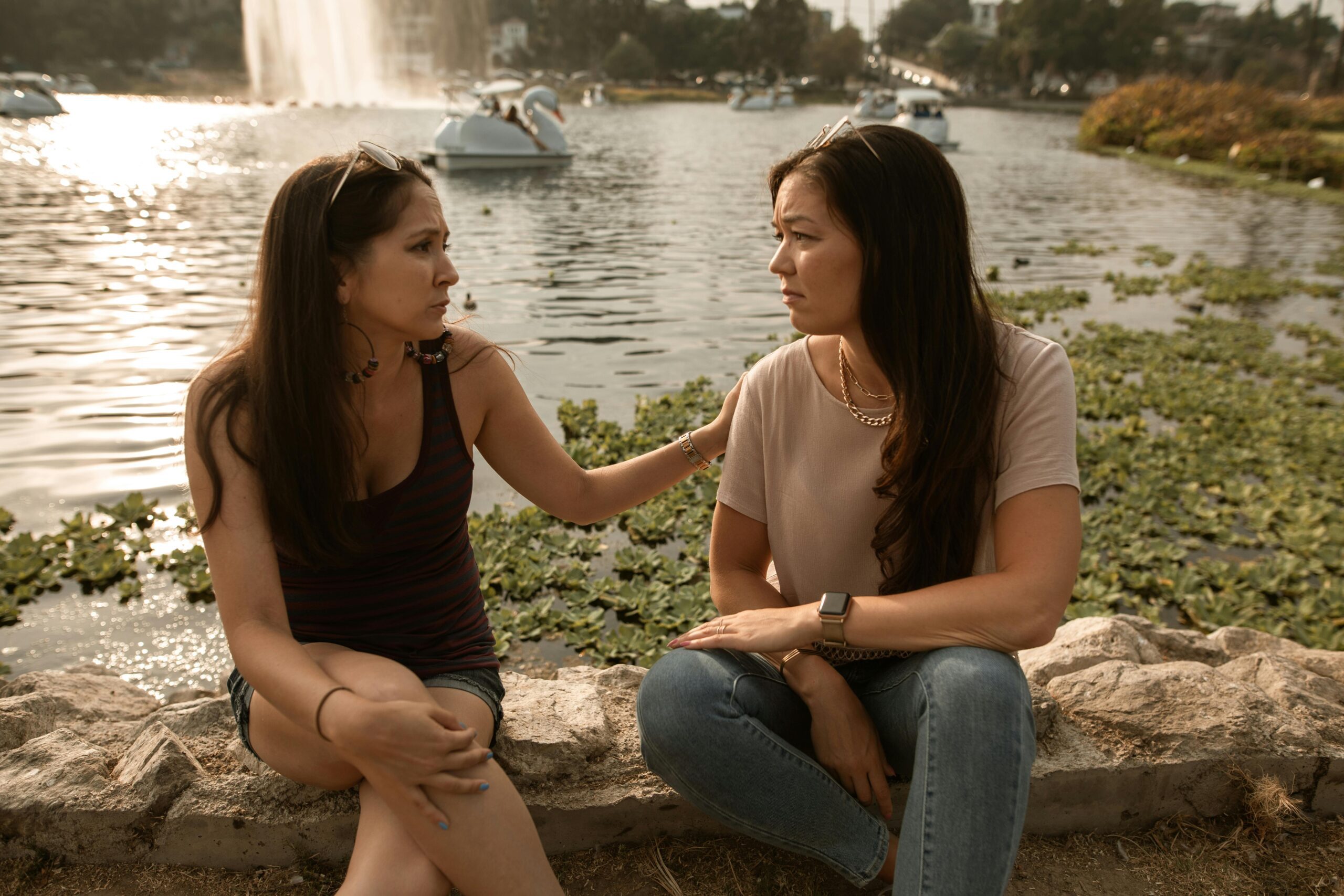
A 20-year friendship between two women has reached a breaking point after one became a mother and stopped making the effort to meet her friend halfway. The once-close companions who shared countless memories now find themselves in a painful standoff, with one friend feeling increasingly shut out as the new mom insists all future hangouts happen exclusively in her neighborhood.
The situation highlights how parenthood can fundamentally shift the balance in long-standing friendships, leaving one person to shoulder all the logistical burden while the other prioritizes convenience over maintaining the relationship. The friend without children has grown frustrated after repeatedly traveling to accommodate the new mom’s requests, only to feel her efforts go unrecognized and unreciprocated.
What started as understanding and flexibility has evolved into resentment and hurt feelings. The dynamic raises questions about how motherhood changes friendship priorities and whether this decades-long bond can survive such a fundamental imbalance. The story explores how these two friends arrived at this crossroads and what it reveals about the fragility of even the strongest relationships.
How Motherhood and Changing Priorities Impact Long-Term Friendships
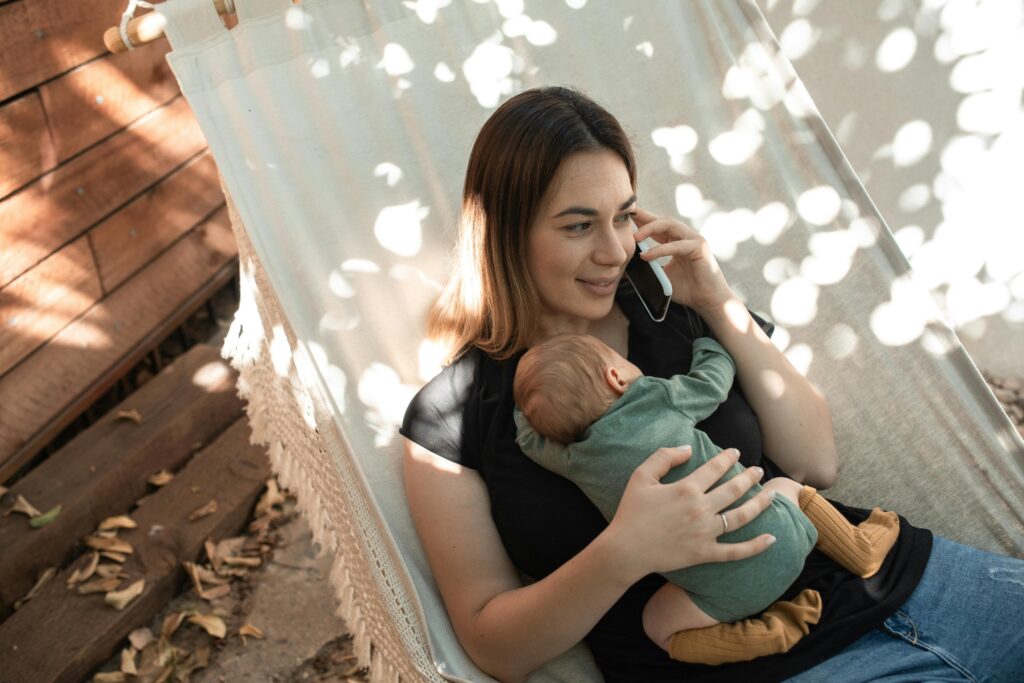
When a baby enters the picture, even decades-old friendships face unexpected tests as daily routines, available energy, and what matters most undergo dramatic shifts that can leave both mothers and their childless friends struggling to recognize the relationship they once had.
The Shift in Priorities After Becoming a Parent
New mothers experience physical and neurological changes that fundamentally alter how they interact with the world. Research shows that a woman’s brain actually changes after having a baby, affecting everything from available time to what feels urgent or important on any given day.
The demands of caring for an infant consume mental and physical resources in ways that non-parents often struggle to fully grasp. A new mom might cancel plans at the last minute because her baby didn’t sleep, or she might seem distracted during conversations as she mentally tracks feeding schedules and nap times.
What used to feel like reasonable requests from friends—meeting for dinner across town, planning a weekend getaway, or even just talking on the phone for an hour—can suddenly feel impossible or overwhelming. The friendship itself hasn’t necessarily changed in importance, but the capacity to maintain it in the same way has drastically diminished.
Friends without children sometimes interpret these changes as rejection or a statement about the friendship’s value. They see their friend pulling away and forming new connections with other parents in her immediate area.
Neighborhood Ties Versus Old Friendships
New parents often gravitate toward other families living nearby out of practical necessity rather than a desire to replace existing friendships. Quick playdates at a local park require less planning than driving across town, and neighboring parents can offer immediate support when childcare emergencies arise.
These new friendships often understand a mother’s stage of life without explanation, which reduces the emotional labor of maintaining the relationship. A neighbor with kids gets why someone needs to leave a gathering at 6:30 PM for bedtime routines without requiring justification.
Long-distance or geographically separated friendships that once thrived on regular meetups face significant strain when one person becomes anchored to her immediate neighborhood. The friend without children may feel expected to do all the traveling, while the mother feels unable to venture far from home with an infant’s unpredictable needs.
This dynamic can breed resentment on both sides. The traveling friend feels she’s putting in all the effort while the new mom feels her limitations aren’t being respected or understood.
Feeling Left Out: One Friend’s Perspective
Friends watching from outside the motherhood experience often feel excluded from a major life transition happening to someone they’ve known for years. The relationship that once involved spontaneous plans and shared experiences now seems to revolve around someone else’s schedule and needs—the baby’s.
A childless friend might notice her texts going unanswered for days or feel like conversations have become one-sided, focused entirely on the baby’s milestones and challenges. She may wonder whether the friendship ever really mattered if it could be so easily deprioritized.
When a new mother refuses to meet anywhere outside her immediate area, her long-time friend can interpret this as a statement about her worth or importance. The sense of being used emerges when the mother only seems available on her own terms, expecting the friend to accommodate all her new limitations without reciprocal flexibility.
Growing apart from a friend during major life transitions doesn’t necessarily mean the relationship was never genuine. Both people may genuinely care about each other while simultaneously feeling hurt, frustrated, or unable to bridge the gap that motherhood has created between them.
Recognizing the Signs and Navigating the Fallout of Growing Apart
When a twenty-year friendship begins to crumble, the shift doesn’t happen overnight. The distance creeps in through missed calls, shortened conversations, and the realization that what once felt effortless now requires constant effort.
Noticing Distance and Communication Changes
The friend who felt shut out likely noticed the changes gradually. Texts that used to get immediate responses started taking days. Phone calls became less frequent, and when they did happen, they felt rushed or obligatory.
The new mom’s refusal to venture beyond her neighborhood created a physical barrier that amplified the emotional distance. What started as understandable exhaustion from new parenthood evolved into a pattern where one person consistently expected the other to make all the effort.
Friendships can end through mutual drifting apart or when one side pulls away while the other wants to maintain the connection. In this case, the geographic limitation became a dealbreaker. The friend outside the neighborhood probably felt like she was doing all the work while getting little in return.
Understanding Emotional Impacts of Losing a Friend
Losing a friend after two decades carries a unique pain that people don’t often discuss openly. The shut-out friend likely experienced confusion first, wondering if she had done something wrong. Then came hurt as the pattern continued.
The feeling of being used probably stemmed from the one-sided nature of their interactions. If every hangout required her to travel while her friend remained comfortable in her bubble, resentment naturally built up. Twenty years of history doesn’t automatically erase present-day imbalance.
When friendships change, people experience grief, anger, and sometimes relief all mixed together. The emotional weight of watching a decades-long bond deteriorate can feel as painful as a romantic breakup.
Moving Forward and Finding Closure
The friend who felt used eventually reached a breaking point. She probably replayed countless memories while questioning whether the friendship had always been this unbalanced or if motherhood genuinely changed everything.
Some friendships end without a mature conversation where both people acknowledge the relationship no longer works. Others fade through ghosting or one person quietly stepping back. This situation seems to fall somewhere in between, where the effort became too exhausting to sustain.
The shut-out friend now faces the reality that her twenty-year friendship might be over. She’s left processing whether the new mom will ever recognize the imbalance or if this is simply how their story ends.
More from Decluttering Mom: