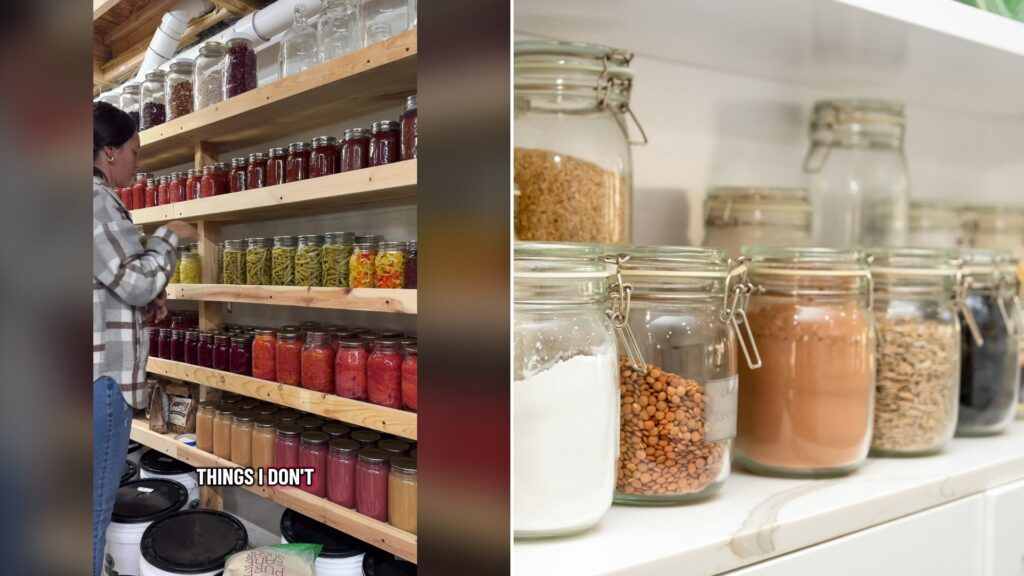
You can turn your front lawn into a striking, edible landscape that boosts curb appeal and feeds your kitchen without sacrificing style.
A well-designed front yard vegetable garden combines attractive structure, seasonal color, and useful produce so your home looks cared-for and your pantry stays stocked.
This post shows practical design choices, plant pairings, and layout tips that help you create a front-facing garden that neighbors admire and you actually use.
Follow simple ideas for mixing vegetables, herbs, and flowers so your space stays beautiful and productive all year.
Designing a Beautiful and Productive Front Yard Food Garden
Plan for sun, sightlines, and easy access so your garden looks intentional and stays productive. Think about bed placement, water access, and materials that match your house while making maintenance simple.
Choosing the Best Location and Sun Exposure
Place your main vegetable beds where they get at least 6–8 hours of full sun daily. Observe sunlight patterns for a week: note morning vs. afternoon sun and mark shady hours on a simple sketch.
Avoid areas shaded by large evergreens or the house’s shadow; partial shade works only for leafy greens and herbs.
Check soil drainage by digging a 12-inch hole and filling it with water; if it drains within 24 hours, the spot is good. If not, pick a higher spot or use raised beds to control drainage and soil quality.
Keep a hose or irrigation line within 25 feet of beds and plan a clear path so you can reach plants with a watering can or wheelbarrow.
Keep sightlines to the front door and windows open so the garden reads as intentional landscaping, not a random plot. Use low plants near sightlines and taller varieties toward the back or in containers.
Creating Eye-Catching Raised Beds and Garden Layouts
Use raised beds to define space, improve soil, and boost curb appeal. Choose materials that match your home: cedar for a warm look, stone for formal style, or metal for modern edges. Add metal edging or a low boxwood hedge to frame beds.
Standard bed depth 12–18 inches suits most vegetables; build at least 3–4 feet wide so you can reach the center from either side.
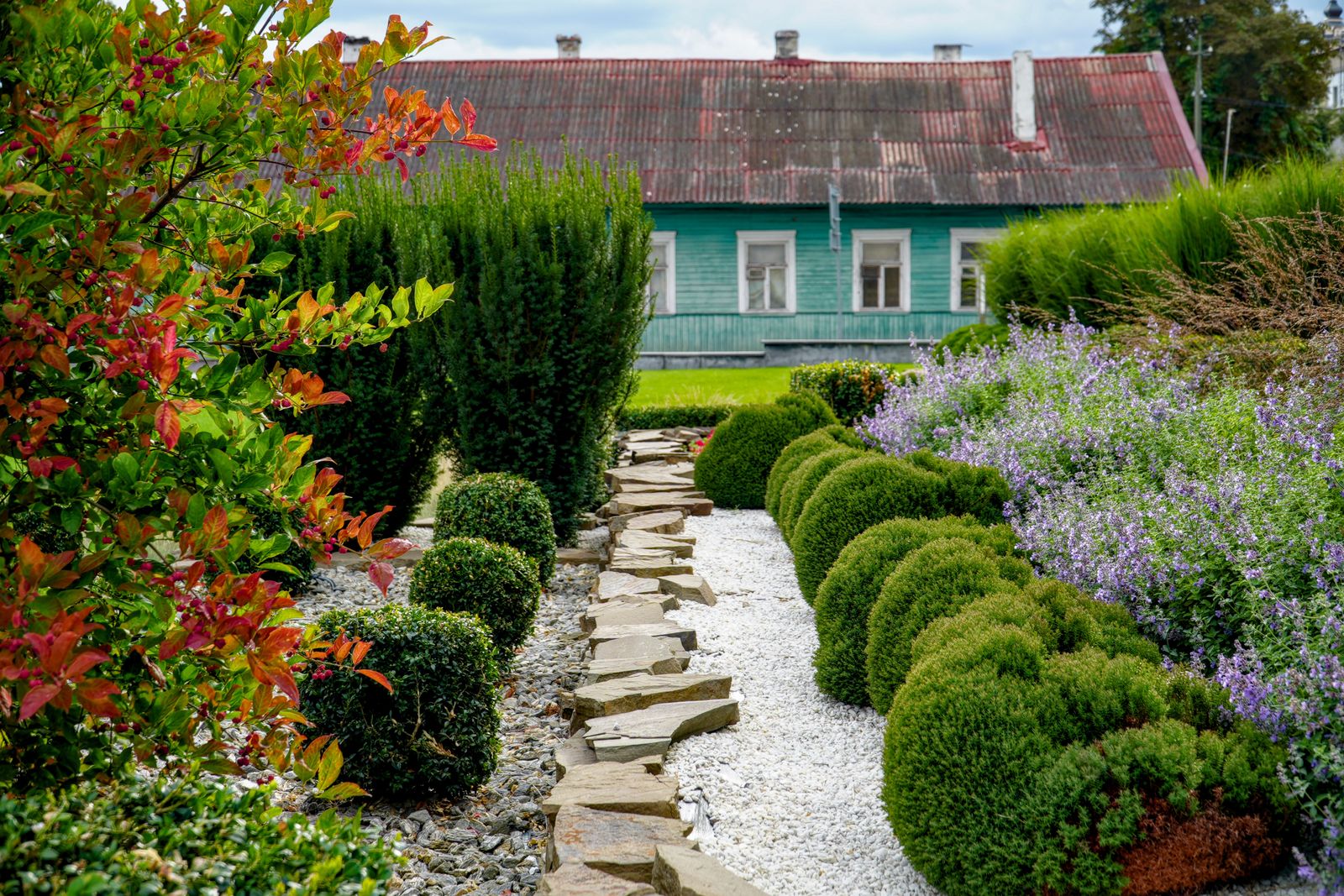
Design paths with gravel or stepping stones for clean access and low maintenance. Aim for 18–24 inch stepping spaces in tight front-yard plots. Consider a compact grid or square-foot layout if space is limited.
Mix in containers and vertical elements — trellises, arbors, or a living wall — to use vertical space and soften hard edges. Place containers near entrances or on porches for seasonal color.
Balancing Curb Appeal With Edible Landscaping
Blend ornamentals with edibles to keep a polished look. Plant rows of decorative ornamental grasses or low boxwood along sidewalks, then layer herbs and salad greens in front. Use repetitive plantings and color palettes for cohesion.
Keep taller veggies like tomatoes off main sightlines or train them on trellises to appear tidy. Use neat rows or geometric beds rather than random patches.
Incorporate functional decor: a stone path, a small arbor at the entrance, or attractive containers. These elements make the garden feel intentional and invite inspection.
Plan seasonal planting and succession planting so there’s always interest and harvests throughout the year. Ensure accessibility for harvest by keeping pathways clear and placing a water source nearby.
Vegetable, Herb, and Flower Choices for Year-Round Appeal
Select plants that give steady visual interest and steady harvests: mix cool- and warm-season crops, combine compact or determinate veggies with vertical or stacked systems, and add fragrant herbs and edible flowers to attract pollinators and beneficial insects.
Best Vegetables and Herbs for Front Yard Gardens
Choose compact, tidy varieties that look intentional and produce well. For greens, plant lettuce (try red lettuce for color), spinach, and kale in blocks or square-foot beds; they mature quickly and allow succession planting. Swiss chard — especially rainbow chard — adds bright stems and holds through heat and light frost.
Tomatoes work if you pick the right type: determinate or patio varieties for neatness, or a single indeterminate trained up an arbor for height. Cherry tomatoes give continuous snacking appeal. Cucumbers and climbing beans fit vertical trellises to save space. Carrots and bush beans tuck into borders or containers.
Herbs must stay accessible: basil, chives, thyme, and rosemary perform well in pots or mixed borders. Plant thyme and rosemary as low-maintenance anchors; basil and chives act as annual companions near tomatoes and salads. Use dwarf fruit trees in larger front yards to provide structure and seasonal fruit without overwhelming sightlines.
Incorporating Edible Flowers and Companion Planting
Add nasturtiums and marigolds to edges for color and pest deterrence; nasturtiums are edible and lure aphids away from brassicas. Lavender and other native, nectar-rich plants boost pollinators and provide calming texture near pathways.
Practice companion planting: pair basil with tomatoes to enhance growth and aroma, intersperse marigolds to reduce nematodes, and place chives near roses or brassicas to deter pests. Introduce native flowering groundcovers and pollinator-friendly perennials to support beneficial insects year-round.
Protect plant health with mulch and compost around roots; these encourage soil life that supports companion benefits. Think visually: mix edible flowers with salad greens or herbs so color and function coexist.
Maximizing Space and Extending Harvests
Use succession planting and crop rotation to keep beds productive: sow cool-season crops (spinach, lettuce, radish) in early spring and again in fall; follow with warm-season crops (tomatoes, cucumbers, bush beans) when soil warms. Rotate family groups to reduce disease buildup.
Stacked containers, pocket planters, and vertical growing systems let you grow climbing vegetables and small fruiting crops without sacrificing walkway space. Install a drip irrigation system with emitters to water precisely and conserve moisture under mulch.
Extend seasons with row covers, cold frames, or small cold frames for early greens and late kale harvests. Rely on compost to maintain soil health and use square-foot gardening in raised beds to maximize yields per square foot.