

Sometimes the best lessons in reselling come from a simple list of what sold. @MillennialProfit, who resells full time, runs through a handful of recent sales, and the pattern is easy to see: buy cheap, sell for several times as much.

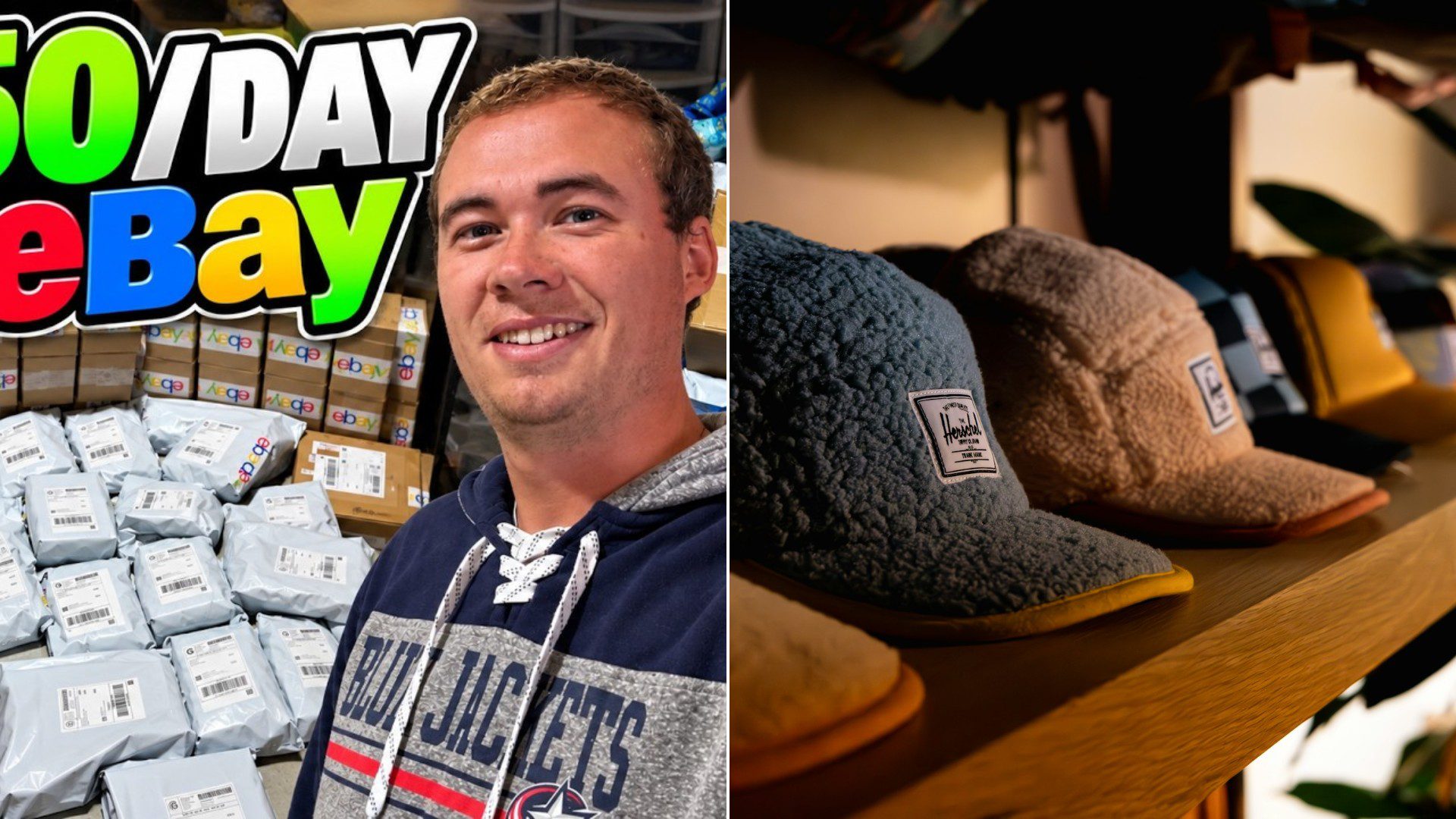
He starts with sweatshirts. He paid five bucks for Homage Ohio State sweatshirts, and he says he sold that for $23. Then he moves on to a piece he found at Burlington, which he sold for $25.

Next comes an item that cost $10 and sold for $30. And he finishes with a find from a sporting goods store. That was $10, and he believes he sold it for $33.
What The Numbers Tell You
These are modest prices, and that is exactly what makes them useful. Not everyone needs a rare antique to make money. A steady stream of $20 to $30 sales can add up, especially when you buy at $5 and $10.
Look at the math. A $5 sweatshirt that sells for $23 leaves a gross gap of $18 before fees and shipping. A $10 item that sells for $30 leaves $20. The profit shrinks once you subtract selling fees, postage and packing, but those margins are still healthy when the purchase price is low.
His figures are his own, and results will depend on your area, your timing and your listing skills.
Why Team And Brand Apparel Sells
Sports apparel is one of the most reliable categories for resellers. Fans love their teams, and college gear in particular has a loyal following. Brands like the one that made those sweatshirts tend to attract buyers who are looking for a specific school, a specific style or a limited design.
Other things matter too. Condition, size and season all play a role. A clean, popular size in the right season can sell faster than a stained or odd sized piece.
Where To Find Items Like These
He mentions stores such as Burlington and a sporting goods retailer. That is a useful reminder that resale finds are not limited to thrift stores. Off price stores, clearance racks and big box retailers can all hide bargains. The key is knowing what sells, then looking for those items wherever they are priced low.
A Simple Checklist For Sourcing
- Look at labels. Brand and team names are your first clues.
- Check the condition. Look for stains, fading, holes and cracked prints.
- Check the size. Common sizes tend to sell more easily.
- Research before you buy. Search sold listings for the exact item, and compare prices.
- Set a buy limit. Many sellers aim to pay no more than a third of the expected selling price.
- Keep a record of purchase prices so you can calculate profit.
- Think about shipping. Lightweight clothing is cheaper to send than bulky goods.
Steps To Selling Your Own Items
You do not have to buy anything to start. Your own closet and garage might already hold sweatshirts, jackets and hats that could sell. Here is how to try.
- Pick a few items you no longer wear, and check their sold prices.
- Wash or clean them, and fold them neatly.
- Photograph each item front and back, with tags and any flaws.
- Write clear titles with the brand, team, size and type.
- Price based on recent sales, and be ready to accept reasonable offers.
- Ship quickly and use proper packaging.
Things To Watch Out For
Counterfeit goods exist, and some sellers get into trouble by listing items that are not genuine. If a price looks too good to be true, take a closer look at the tags, stitching and printing. Learn what authentic items look like.
Keep track of your time as well. If you spend an hour per item, a $15 profit does not go far. Efficient sellers batch their work, photographing and listing many items in one session.
Remember that taxes may apply when you sell for profit. If you plan to do this regularly, talk to a tax professional about what you need to track.
Think About Seasonality
Demand changes with the calendar. Sweatshirts and jackets sell better as the weather turns cool, and team gear picks up when a season is underway or a big game is near. If you find a good piece out of season, you can store it and list it when buyers are looking. Just make sure you have space, or you are back to clutter.
Presentation Matters
Even a plain sweatshirt looks better when it is clean, pressed and photographed on a hanger or a clean surface. Take a photo of the tag, the print and the back. A few extra minutes on presentation can bring in a higher price, and it reduces questions from buyers.
The Takeaway
The appeal of this video is how ordinary it is. There are no rare finds here, just everyday clothing with a dependable audience. By buying at the right price and listing with care, he turns small purchases into steady income. If you want to try something similar, begin with categories you understand and let the results guide you.
More Stories You May Like
- Homeschool Mom of Six Skips Desk Work Every Friday and Marches All Six Kids to the Library Where One Ends It With a Full Meltdown
- Dresser Flipper Who Has Restored Over Three Hundred of Them Takes Fifty Dollars to a Thrift Store and Shows Why He Walked Past the Dresser With Metal Drawer Bottoms
- Reseller Who Says Thrift Flipping Helped Pay Off Thirty Thousand Dollars of Credit Card Debt Shows One Week That Turned Three Hundred Eighty Six Dollars Into Over Two Thousand