A garage sale is supposed to be simple. You clear out the clutter, put a few price tags on things, and watch the cash roll in. Then Saturday comes. By noon you have sold a lamp, two paperbacks and a box of mugs, you have been asked to take a dollar for a bread machine, and you are staring at a table of leftovers wondering where it all went wrong. A few common mistakes quietly cost sellers money every weekend, and almost all of them are easy to fix.
Mistake One: Pricing Everything Too High
It is hard not to feel attached to your things. You remember what you paid for that bread machine, and you remember the night you got those holiday plates. But buyers do not care what you paid. They care what the item is worth to them today, and at a garage sale, that is usually a small fraction of the original price.
The fix is to price to sell. Think about what you would pay for the item secondhand if you found it at someone else’s sale. Clothing, books, toys and kitchen items are usually priced low, while furniture, tools and larger items can bring more. If you are not sure, take a few minutes to look at what similar items are selling for in local online listings. The goal is a clean table at the end of the day, not the highest possible price on a single item.
It also helps to be a little flexible. Many shoppers love to haggle, and a seller who says no to every offer will watch buyers walk away. Price a bit higher on bigger items so you have room to bargain, then let a fair offer win.
Mistake Two: Having No Small Bills
This one is a classic. The first customer of the morning hands you a large bill for a one dollar item, and you cannot make change. That customer leaves, and so does your sale. Start your day with a cash box full of small bills and coins. Ones and fives are the most useful, along with some quarters if you price things in odd amounts.
Go to the bank a day or two ahead and ask for what you need. Keep your cash box in a safe spot, not out on the table, and consider wearing a small apron or fanny pack so your money stays on you. A payment app can also help for bigger purchases, as long as you confirm the money has arrived in your account before the buyer leaves with the item.
Mistake Three: Weak Signs and Poor Directions
If shoppers cannot find your sale, they cannot spend money at it. Many sellers put up a small sign with tiny writing, and drivers cannot read it as they pass. Use bold, dark letters on a bright background, and keep the message short: the word SALE, the day, and an arrow. Put signs at corners and busy intersections so drivers can follow the trail to your driveway. Check your local rules, since some towns require permits or limit where you can post signs.
Online listings help, too. Many neighborhood groups and community pages let you post your address, dates, hours and a short list of what you are selling. Mention big ticket items like furniture, tools or baby gear, since those draw in the buyers who plan their weekend around sales.
Mistake Four: A Messy, Hard To Browse Setup
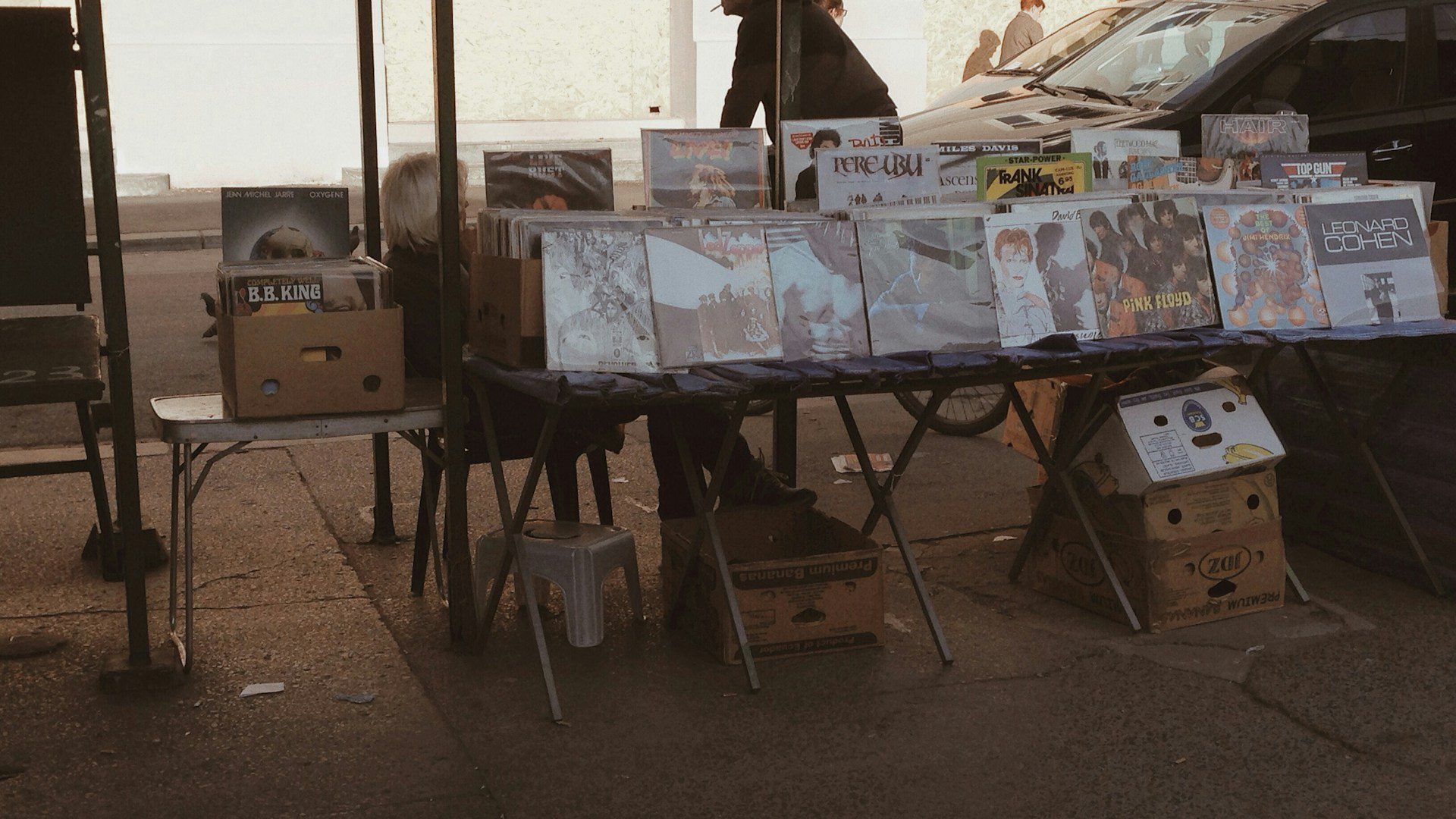
People buy more when your stuff is easy to see. A pile of clothes in a box is hard to dig through, while clothes on a rack or table are easy to browse. Group like items together: all the kitchen things in one spot, all the books in another, all the toys together. Put your best items near the front, where drivers can see them from the street, and keep walkways wide so shoppers feel comfortable.
Clean items sell better. A quick wipe on a dusty lamp or a run through the wash for a stack of kids clothes can make a big difference in how much people are willing to pay. Test anything electric and put a sign that says it works.
Mistake Five: Having No Plan for Leftovers
When the sale is over, many sellers are tired and want the mess gone. Without a plan, they end up hauling unsold items back into the garage, where the clutter starts all over again. Decide ahead of time what will happen to anything left. You could donate it, list a few of the better pieces online, offer a free box at the curb, or bundle things for a later sale.
Arrange for a charity pickup before the sale, if one is available in your area, or set aside time that evening to load the car and drop things off. If you tell yourself the leftovers are not coming back inside, you will price and negotiate more freely during the day.
A Few More Tips to Keep More of Your Money
- Plan your sale for a weekend when the weather looks good, and have a backup plan for rain.
- Have a calculator and a notepad handy so you can add up multiple items quickly.
- Ask a friend or family member to help, so you are never alone with the cash box or the crowd.
- Offer a bundle deal, such as filling a bag for a set price, near the end of the day.
- Lower prices later in the afternoon so the stuff you do not want to keep gets out the door.
The Real Goal
A garage sale is about more than a little extra cash. It is about clearing space and letting your things go to people who will use them. If you hold on to high prices, run out of change or have no plan for what is left, you end up with fewer sales and a bigger mess. Price to sell, be ready for buyers, and know where your leftovers are headed, and you will go to bed with a lighter house and a fuller cash box.
More Stories You May Like
- Woman Who Makes at Least $1,000 at Every Garage Sale Shares Her Golden Rule, and It Means Never Putting an Individual Price Tag on Anything
- Moms Are Cheering A Birthday Party Idea Where Guests Bring Just Seven Dollars For A Seventh Birthday Instead Of Another Last Minute Target Gift
- Minimalist Mom Lists The Everyday Things She Does Not Own Including A Coffee Table Curtains And Extra Kitchen Appliances And Never Misses Them