You walk into your favorite thrift store expecting a bargain and walk out wondering why a worn out sweater cost as much as a new one. If that sounds familiar, you are not imagining things. Plenty of shoppers have noticed that secondhand prices keep creeping up, and some tags look more like boutique prices than bargain bin prices. The good news is that you can protect your wallet with one simple habit: check what the item costs new before you pay.
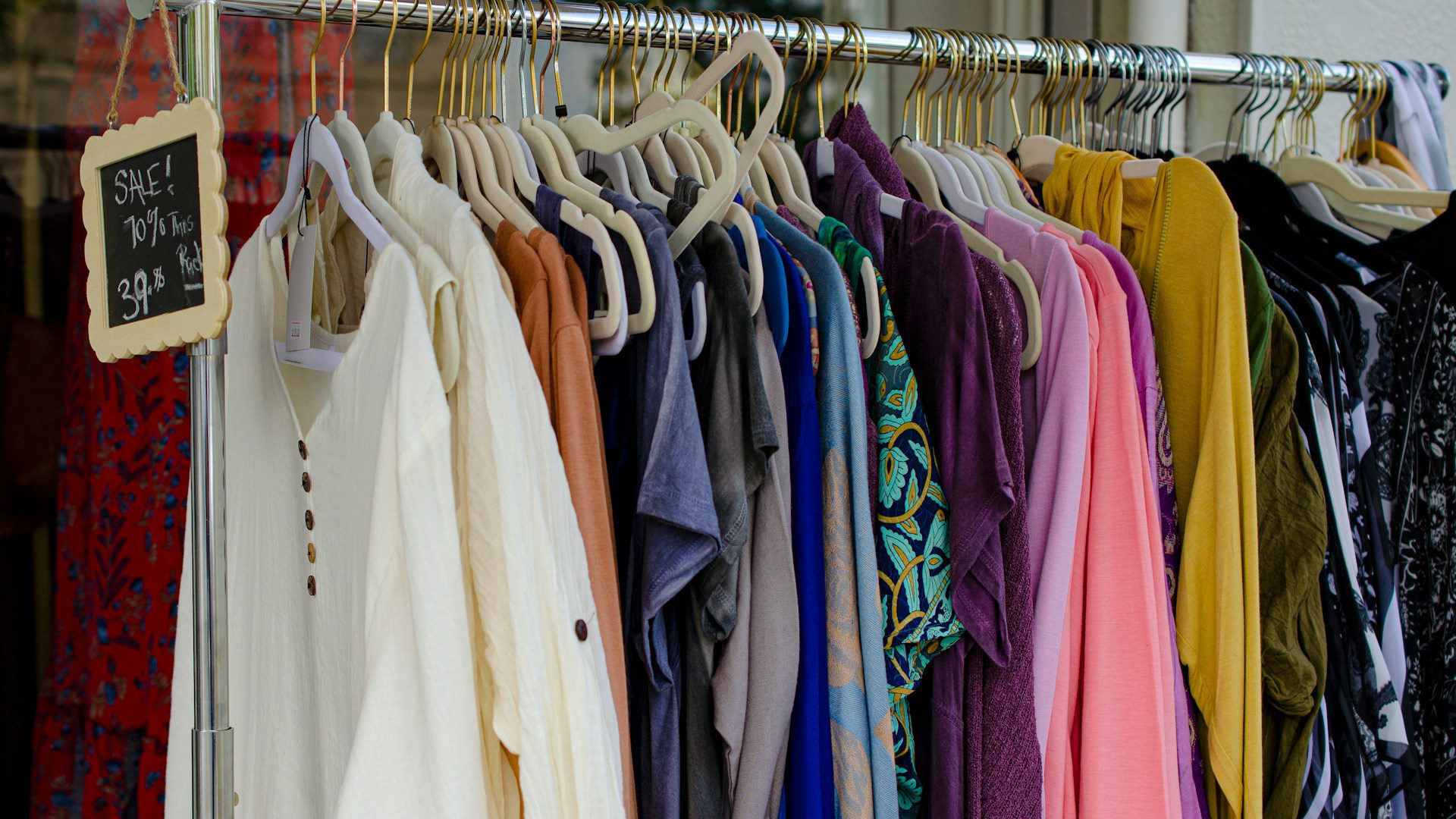
Thrifting is still one of the best ways to save money, find quality things and keep stuff out of the landfill. But a thrift store is a business, and the tag on an item is just a number someone chose. It is not a promise that you are getting a deal.
Why Prices Seem to Keep Rising
There are a few reasons secondhand prices have crept up. Thrifting has become popular, and more shoppers means more competition for the good stuff. Stores also have bills to pay, including rent, staff and the cost of sorting through mountains of donations. Some stores price items based on what they think a brand or style might fetch online, since resale websites have made everyone aware that certain names can sell for more.
None of this is necessarily sneaky. Many thrift stores support charities or community programs, and a fair price helps pay for that work. But fair is the key word. You should still feel like you are getting a good value for your money, especially when the item is used, stained, missing a piece or worn at the seams.
The Golden Rule: Know the New Price
Before you head to the register, ask yourself one question: what would this cost if I bought it brand new? You can find out in about thirty seconds with your phone. Search the brand and item name, and look at current prices at major retailers. If the thrift price is close to the new price, you are probably not getting a bargain. You are paying nearly full price for something that has been used, with no return policy and no warranty.
A good rule of thumb many thrifters follow is that a secondhand item should cost a fraction of the new price, and the more worn it is, the lower the price should be. You do not need an exact formula. Just think about whether the savings are big enough to justify the wear, the risk and the fact that you cannot send it back.
Signs You Are Looking at a Deal
- The item is in great shape, with no stains, tears, chips or missing parts.
- It is a well made brand known for lasting a long time, such as solid wood furniture, cast iron cookware or sturdy hand tools.
- The price is clearly lower than what you would pay for something similar and new.
- You actually need it or would use it right away.
Signs You Might Be Looking at a Rip Off
- The tag is close to the new price, or higher than a sale price on the same product.
- The item is made from cheap material that was not built to last, such as flimsy particle board furniture or fast fashion clothing.
- You can see damage, stains, fading or signs of heavy wear.
- It is missing parts or pieces, like a lid, a remote or a cord.
- You are buying it only because it feels like thrift store magic, not because you need it.
Check the Item Before You Buy
Because all sales are usually final, a quick inspection matters. For clothing, check seams, zippers, underarms and collars. For electronics and small appliances, ask whether you can test them, or look for a store outlet. For kitchen items, look for cracks, chips and deep scratches. For furniture, open the drawers, sit on the chair and wobble the table. A bargain that breaks the first week is not a bargain.
It also helps to know that not every item is a good thrift buy. Some things, like mattresses, helmets, car seats and certain baby gear, are best bought new for safety reasons. Do not let a low price talk you into something that is not safe to use secondhand.
Tips for Finding Real Deals
Learn your local stores. Some have weekly sales, colored tag discounts or seasonal clearance days, and shopping on those days can cut your total a lot. Ask an employee how their markdown system works. Some stores also have loyalty programs, senior discount days or student discounts that many shoppers never use.
Shop with a list and a budget. It is easy to fill a cart with things that each seem cheap and end up spending more than you planned. Set a limit before you walk in, and stick to it. If you are unsure about an item, take a photo and walk around the store for a few minutes. If you still want it, you can go back for it. If it is gone, you will probably be fine.
Try different kinds of stores, too. Church sales, estate sales, community rummage sales and online local groups often have lower prices than big chain thrift stores. Charity shops that rely on volunteers may keep prices lower than stores that are run like retail businesses.
Do Not Feel Guilty About Saying No
Some shoppers feel they should buy whatever they find because the money goes to a good cause. It is a kind thought, but you do not have to overpay to be generous. If you want to support a charity, you can donate directly, give your own unwanted items, or volunteer your time. At the register, you are a customer, and it is perfectly fine to put something back on the shelf if the price does not make sense.
That said, a fair price on a good item is still a win for everyone. The goal is not to complain about every tag. It is to shop with your eyes open, so you know when you are getting real value and when you are paying more than you should.
The next time a thrift store tag makes you pause, pull out your phone and check the new price. A few seconds of research can save you money, keep your home from filling up with things you did not need, and make sure the next deal you take home is a real one.
More Stories You May Like
- Mom Deep Cleans the House She Already Knows She Will Not Get to Keep After Her Divorce and Explains Why She Is Choosing a Fresh Start for Her Kids
- She Went From A Four Bedroom House With Three Kids To Owning Only What Fits In Her Subaru, And Shares 12 Ruthless Downsizing Tips
- Woman Decluttering Her House Before Downsizing Draws a Number From One Bucket and a Room From Another to Decide Exactly What to Throw Away Each Day for Thirty Days