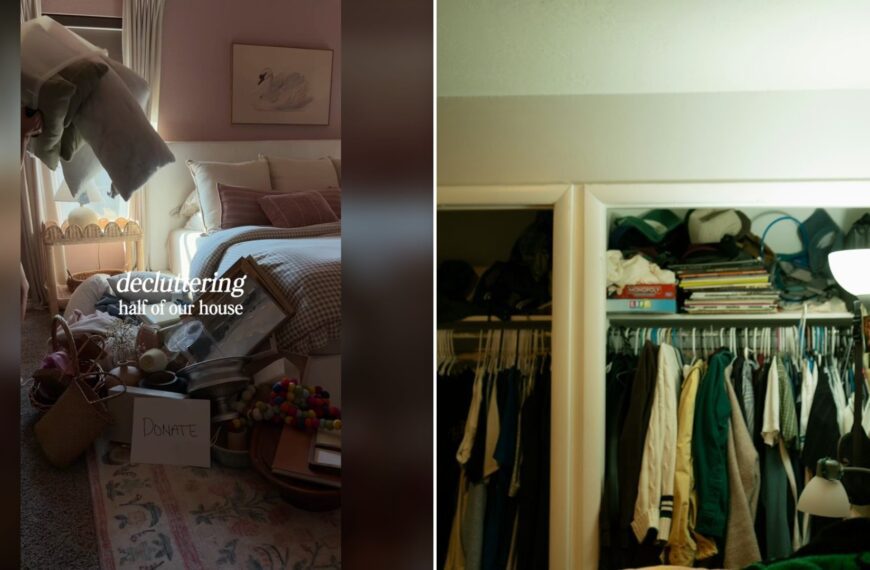
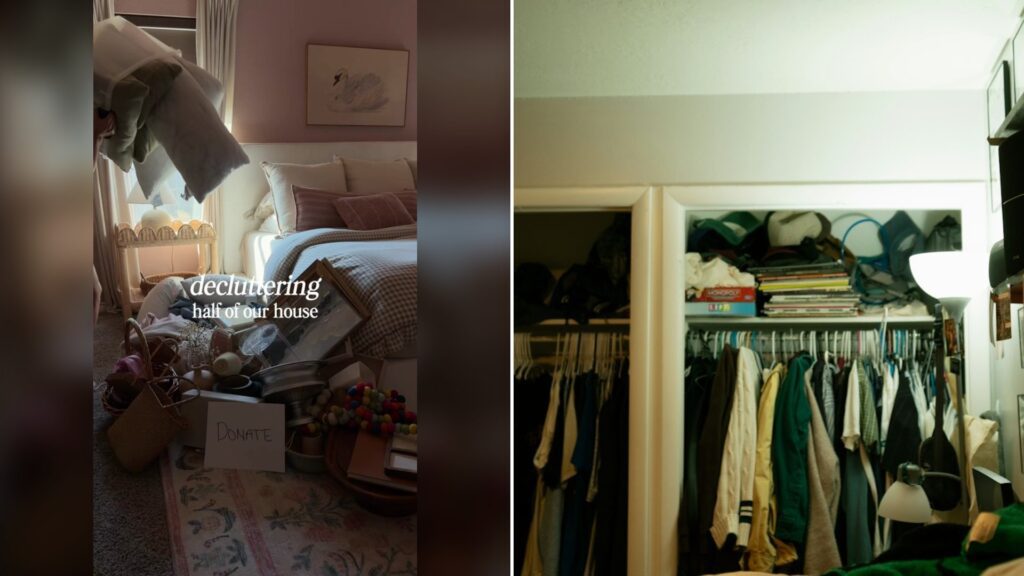
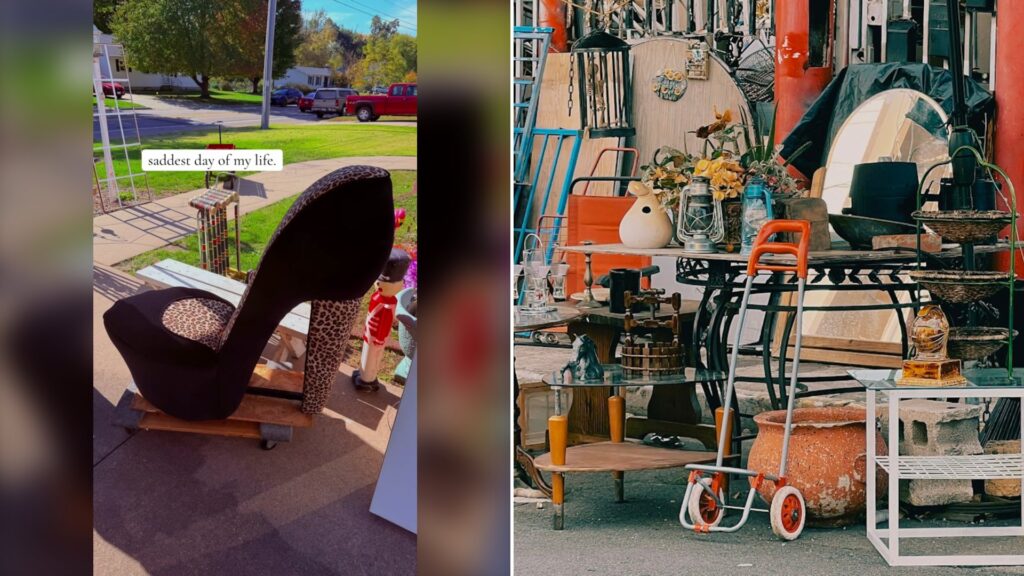
Every garage sale has that moment. The driveway is barely set up, the coffee is still hot, and a shopper is already holding up an item and asking, “Would you take less?” For @addierain, that moment came on the very first morning of her rummage sale, and she made her feelings known in a quick seven-second video.
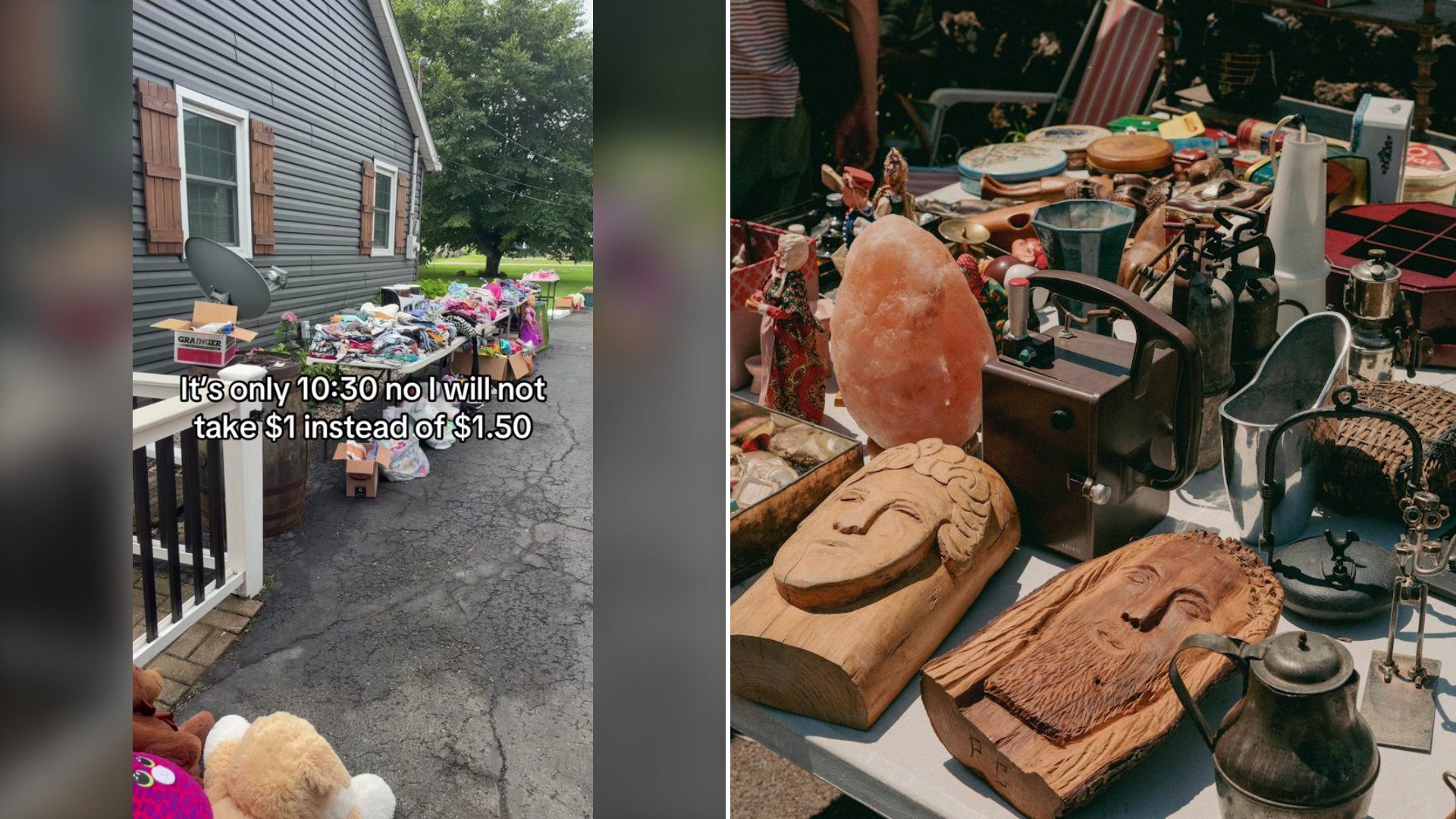
Her caption says it all: “I’m all about a barter but not on the 1st day at 10:30am.” She finishes it off with a laughing emoji and an eye roll, which pretty much captures how many sellers feel when the haggling starts before lunch on day one.
She is not against negotiating. She says outright that she is “all about a barter.” Her point is about timing. On the first morning, a seller has only just put out everything they priced, often after days of sorting, cleaning and labeling. There are hours, maybe days, of sale left. Knocking prices down that early can feel like giving away the best things before anyone else has had a chance to see them.
Anyone who has hosted a sale knows the feeling. And anyone who loves a bargain has probably been on the other side of that conversation.
@addierain
Why First Day Prices Hold Firmer
From the seller’s side, the first morning is when the best items, the full selection and the most eager shoppers are all in one place. A seller who just priced a lamp at $10 has every reason to think someone will pay $10 for it before the weekend is over.
By the last afternoon, the math changes. Whatever is left will have to be packed up, stored or hauled to a donation center. That is when most sellers become far more flexible, and some cut prices across the board.
Shoppers have their own math, too. The first morning offers the best selection, while the last hours offer the best prices. You usually cannot have both, and the smart shopper decides which matters more for each item.
Haggling Etiquette for Shoppers
Bartering is part of the fun of garage sales, and most sellers expect at least some of it. A few simple manners make it go smoothly.
Read the room. If a sign says “prices firm” or the sale has only just opened, consider paying the marked price for something you truly want, or come back later and take your chances.
Make a fair offer. Offering $5 for a $6 item is reasonable. Offering a quarter for something marked $10 tends to end the conversation. On items that are already a dollar or two, the price is usually a bargain as it is.
Bundle your items. Sellers are much more open to a deal when you are buying several things. “Would you take $20 for all of these?” is often welcome.
Have cash ready. Holding the money in hand shows you are serious and makes a quick yes more likely.
Be gracious about a no. A polite “No problem, thanks” leaves the door open. Sometimes the seller calls you back.
Ask about holds rather than haggling. If you love a piece but cannot justify the price on day one, ask whether the seller would call or message you if it is still there on the final day. Some will happily agree, and you may end up with it at a discount anyway.
Do not criticize the item. Pointing out every scratch to drive the price down rarely works and can sour the exchange. Many of these items are coming out of people’s homes and memories.
How Sellers Can Set the Rules Up Front
If you are planning a sale and want to avoid early-morning haggling, a little preparation helps.
Post a clear sign. Something like “Prices firm until noon” or “Half price on Sunday” tells shoppers exactly when deals are coming, and many will happily come back.
Price everything. Unmarked items invite offers. Colored dot stickers by price, with a key posted at the checkout, keep things simple.
Price to sell. A general rule many sellers follow is to price used goods at roughly a quarter to a third of what they would cost new, depending on condition. Overpriced items stall, and stalled items invite bargaining.
Decide your bottom line ahead of time. For larger pieces such as furniture or tools, know the lowest price you will accept before the first shopper asks. It makes saying yes or no much easier in the moment.
Keep valuables close. Small, pricier items such as jewelry or collectibles are best kept on a table right by the checkout, where you can answer questions and keep an eye on them.
Plan your markdown schedule. Many sellers drop prices by half on the final day and finish with a “fill a bag” deal in the last hour.
Have an exit plan. Before the sale, choose where the leftovers will go. A charity pickup, a church rummage collection or a local donation center keeps everything from drifting back into the garage, which defeats the whole purpose of decluttering.
In the end, it is a dance both sides know well. As @addierain makes clear, most sellers are glad to strike a deal. Just maybe let them finish their first cup of coffee before you start.
More From Decluttering Mom
- Reseller Who Says Thrift Flipping Helped Pay Off Thirty Thousand Dollars of Credit Card Debt Shows One Week That Turned Three Hundred Eighty Six Dollars Into Over Two Thousand
- Reseller Buys Six Salty Crew Shirts for Six Dollars Total at a Yard Sale and Plans to List Them Online for About Thirty Dollars to Turn a Quick Profit
- Seven Items That Sell Almost Instantly Are Listed by a Reseller Who Says Most People Do Not Know What They Have