You likely grab the garden hose and water without a second thought, but that quick habit can spread disease, shock roots, or wash away nutrients if you skip a simple preventive step. Disinfecting or flushing the hose before you water prevents transferring pathogens, harmful chemicals, and extreme-temperature water to your plants. That small action protects tender leaves, roots, and soil life while keeping your watering efficient.
As you learn how improper hose watering harms plants and which best practices to adopt, you’ll find the fix takes only moments and a few easy changes to your routine. Stick around to get practical tips on how to flush, clean, and use your hose so your garden thrives instead of suffering from avoidable problems.
How Improper Hose Watering Harms Your Plants
Improper hose watering creates multiple, avoidable stresses: physical damage from high pressure, uneven moisture that forces shallow roots, chemical and temperature shocks from the hose itself, and problems caused by poor storage or the wrong hose type.
Damage From Water Pressure and Uneven Distribution
High-pressure streams from an open hose or the wrong spray nozzle can erode topsoil, expose and bruise feeder roots, and wash away mulch and nutrients. You’ll see bare patches, compacted subsoil beneath the washed surface, and seedlings torn from the ground when pressure is too strong.
Adjustable nozzles and watering wands let you reduce force; use a gentle shower or fan setting for flower beds and seedlings.
Uneven coverage happens when you water too quickly in one spot and not enough in another. That creates dry pockets and waterlogged zones close to the stream’s path. Consider a soaker hose or a drip irrigation system to deliver consistent moisture along root zones and avoid channeling water that causes runoff and nutrient loss.
Consequences of Shallow and Inconsistent Watering
Shallow, frequent watering encourages roots to stay near the surface. Those roots dry out faster, so your plants become vulnerable during heat or drought. You’ll notice wilting between waterings, reduced drought resistance, and plants that need water more often than they should.
Inconsistent watering also raises the risk of nutrient uptake problems. Wet-dry cycles can cause nutrients to be flushed below the root zone or to oxidize ineffectively in compacted soil. Water deeply and infrequently—apply water until it soaks 6–12 inches deep for most perennials and vegetables. Use a screwdriver or probe to check penetration and avoid guessing.
Chemical Leaching and Fungal Issues
Many inexpensive hoses can leach plasticizers, lead, or other chemicals into standing water, especially if the hose heats in the sun. Those contaminants can stress sensitive edible crops and alter soil pH or microbial balance. If you water produce, switch to a hose labeled for potable water or use a watering can filled from a clean container like a rain barrel with proper filtration.
Warm water sitting in the hose also risks temperature shock: a burst of hot water can scorch leaves and roots. In addition, prolonged wet surfaces and puddling around stems encourage fungal growth and root rot. To reduce risk, avoid watering at night when leaves stay wet longest, use drip lines or soaker hoses to target roots, and remove pooled water near crowns.
Impact of Poor Hose Storage and Hose Selection
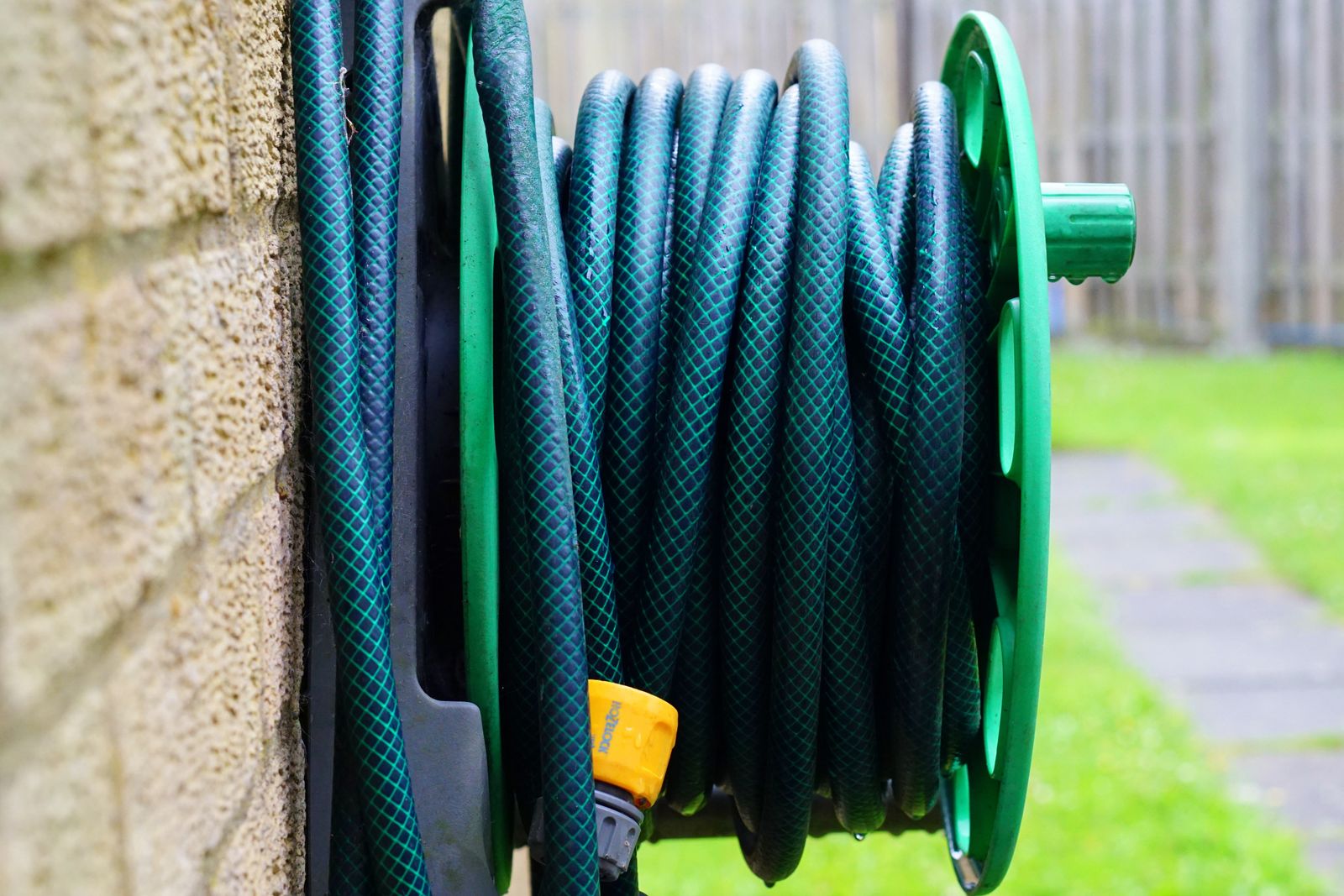
Leaving hoses coiled on hot pavement or tangled in sun exposes them to UV breakdown and increases chemical leaching. Kinks and collapsed sections create uneven pressure and unpredictable flow, so parts of your bed receive too much or too little water. Store hoses on a reel or hang them shaded to lengthen life and keep flow steady.
Hose length and diameter matter. Long, narrow hoses reduce pressure at the end, causing you to crank the tap and unintentionally increase pressure near the spigot. Choose a hose sized for your layout and pairing—use shorter runs or larger-diameter lines for long reaches. For precise watering, prefer soaker hoses, a watering wand, or a calibrated drip irrigation system over freehand hose watering.
Best Practices to Prevent Hose-Related Plant Problems
Focus on delivering water gently and evenly, keeping hoses clean and stored correctly, and choosing alternatives like soaker lines or drip systems to protect roots and reduce disease risk.
Gentle Watering Techniques and Equipment Choices
Use a watering wand or a spray nozzle with a gentle, wide spray to avoid blasting leaves and compacting soil. Aim the flow at the base of plants, not their foliage, to reduce fungal disease and improve nutrient uptake.
For seedlings and shallow-rooted plants, use a watering can or a low-pressure setting on a wand so water soaks in slowly. For larger beds, lay a soaker hose along the root zone or run a drip line; both deliver water slowly and evenly, preventing surface runoff and encouraging deeper root growth.
Choose hose materials and lengths that suit your space: lightweight kink-resistant hoses reduce the temptation to drag heavy lines over plants. Use a pressure-regulating nozzle when municipal pressure exceeds 40–50 psi to avoid soil compaction and erosion.
Setting a Consistent Watering Schedule
Establish a watering schedule based on soil moisture, plant type, and season rather than a fixed clock time. Check soil 2–3 inches down before watering; if it’s still damp, wait. Water deeply but infrequently to promote strong root systems—generally 1–2 times per week for established beds in warm weather, more often for containers.
Water early in the morning when evaporation is lowest and plants can dry during the day. Use timers for hoses or irrigation controllers for drip systems to keep your routine consistent. Adjust frequency after heavy rain or during heat waves, and use mulch to reduce watering needs and even out soil moisture between sessions.
Safe Hose Storage and Maintenance
Rinse hoses after use if you suspect fertilizer or pesticide residue to prevent chemical transfer. Drain water from hoses and coils to avoid internal mold growth and freezing damage. Store hoses on a wall-mounted hose reel or hanger out of direct sun to prevent UV breakdown and heat buildup that can leach chemicals.
Inspect fittings, nozzles, and hose length regularly for cracks, kinks, and corrosion. Replace cracked sections or use corrosion-resistant connectors. Sanitize hoses periodically with a mild bleach solution if you see slimy buildup; flush thoroughly before reconnecting to potable sources. Proper maintenance extends hose life and lowers risk of spreading pathogens.
Alternatives for Healthy, Thriving Plants
Consider installing a drip irrigation system or soaker hoses for beds and borders to deliver water directly to roots with minimal waste. Drip systems pair well with a rain barrel or pump to use collected water safely; add a simple filter to protect emitters. These systems give you even water distribution and reduce leaf wetness that fuels disease.
Use mulch around plants to retain soil moisture and reduce the need for frequent surface watering. For small areas or delicate transplants, switch to a watering can for precise applications. Combining drip irrigation with mulch and scheduled checks helps you maintain balanced watering, prevent compaction, and support consistent nutrient uptake and root growth.