Garlic planted just three weeks past its ideal fall window can come up smaller than garlic planted a full month early, according to zone-by-zone planting guidance that traces back to how USDA hardiness zones are calculated from average annual minimum winter temperatures. Most home gardeners plant garlic in spring alongside their tomatoes and peppers, never realizing it is actually a fall crop with a narrow cutoff date — and that cutoff, not soil quality or clove variety, is usually what decides whether next July’s harvest fills a fist or barely fills a thumb.
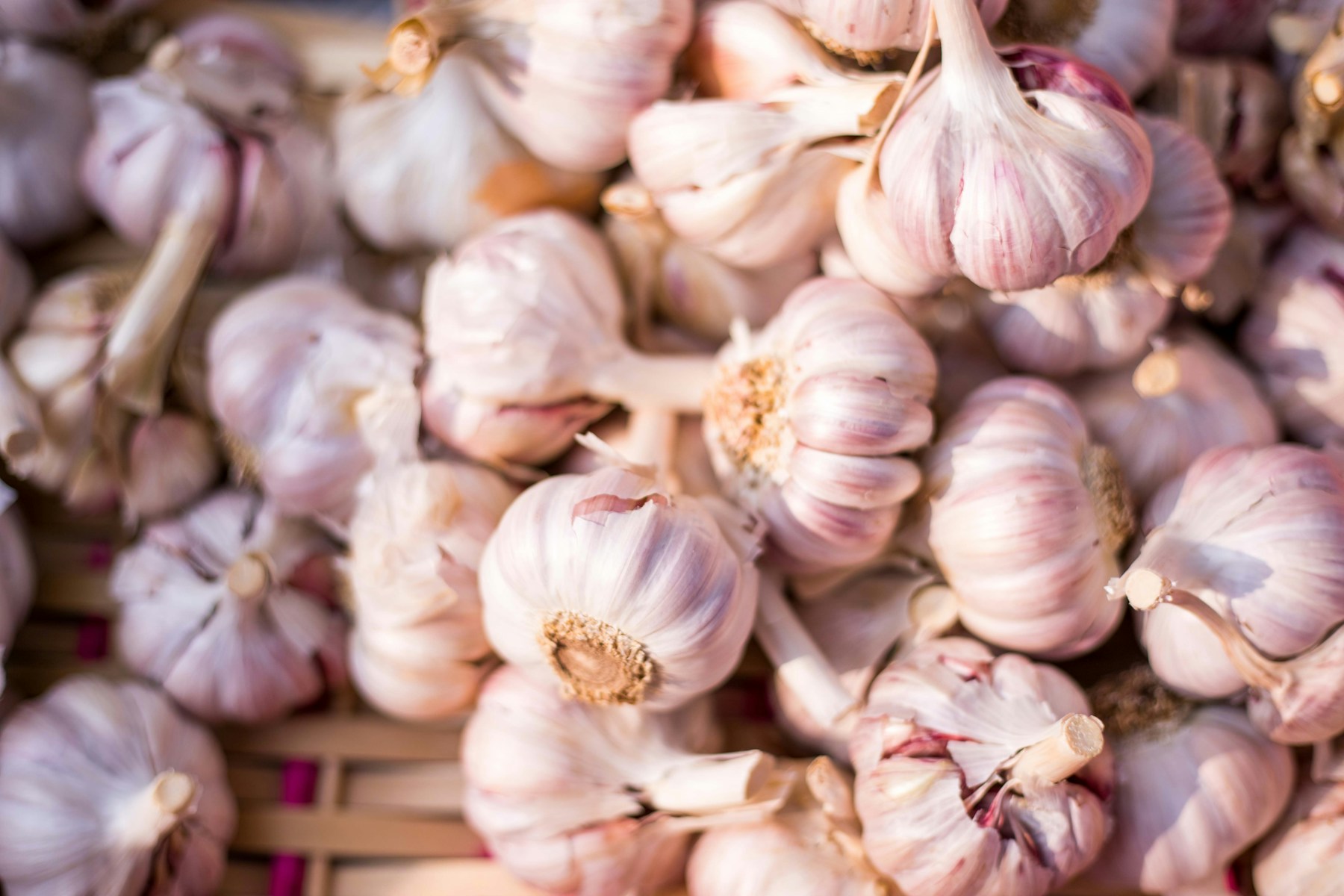
Why Garlic Needs Cold Before It Needs Sun
Garlic bulbs don’t just grow from a warm season — they require a cold season first. University of Maryland Extension explains that cloves need exposure to temperatures between 32 and 50 degrees Fahrenheit for roughly two months before bulb enlargement is triggered by lengthening spring days. Skip that cold exposure, or cut it short by planting too late, and the plant simply doesn’t build the internal signal that tells it to divide into full-sized cloves. That’s why a garlic bulb planted in spring, after the ground has already warmed, almost always comes up small and papery no matter how well it’s fed or watered.
The Real Cutoff Is About Root Time, Not Calendar Dates
The specific date matters less than what it buys the plant: root establishment before the ground locks up for winter. University of Minnesota Extension advises planting cloves one to two weeks after the first killing frost, timed so roots and shoots emerge from the clove before the first hard freeze even though visible green growth won’t appear above soil until spring. Garden-planting guides that translate this into zone-by-zone dates put that window at mid-September through early October for USDA Zones 3 to 4, mid-October through early November for Zones 5 to 6, and late October through December for the milder Zones 7 to 9.
Three Weeks Late Does More Damage Than a Month Early
The size penalty for missing that window isn’t gradual — it’s front-loaded onto the late side. Guidance compiling USDA zone planting data for home gardeners notes that missing the fall schedule by roughly three weeks on the late side reduces bulb yield more than an entire month of earliness ever would, because a plant given a head start on root growth can tolerate an early cold snap far better than one caught with underdeveloped roots when the ground suddenly freezes. Cloves planted too late end up producing flat, undersized bulbs even in a summer with otherwise ideal growing conditions, and they mature two to three weeks behind a correctly timed crop — a gap that shows up clearly at harvest, side by side in the same garden bed.
What a Missed Window Actually Looks Like at Harvest
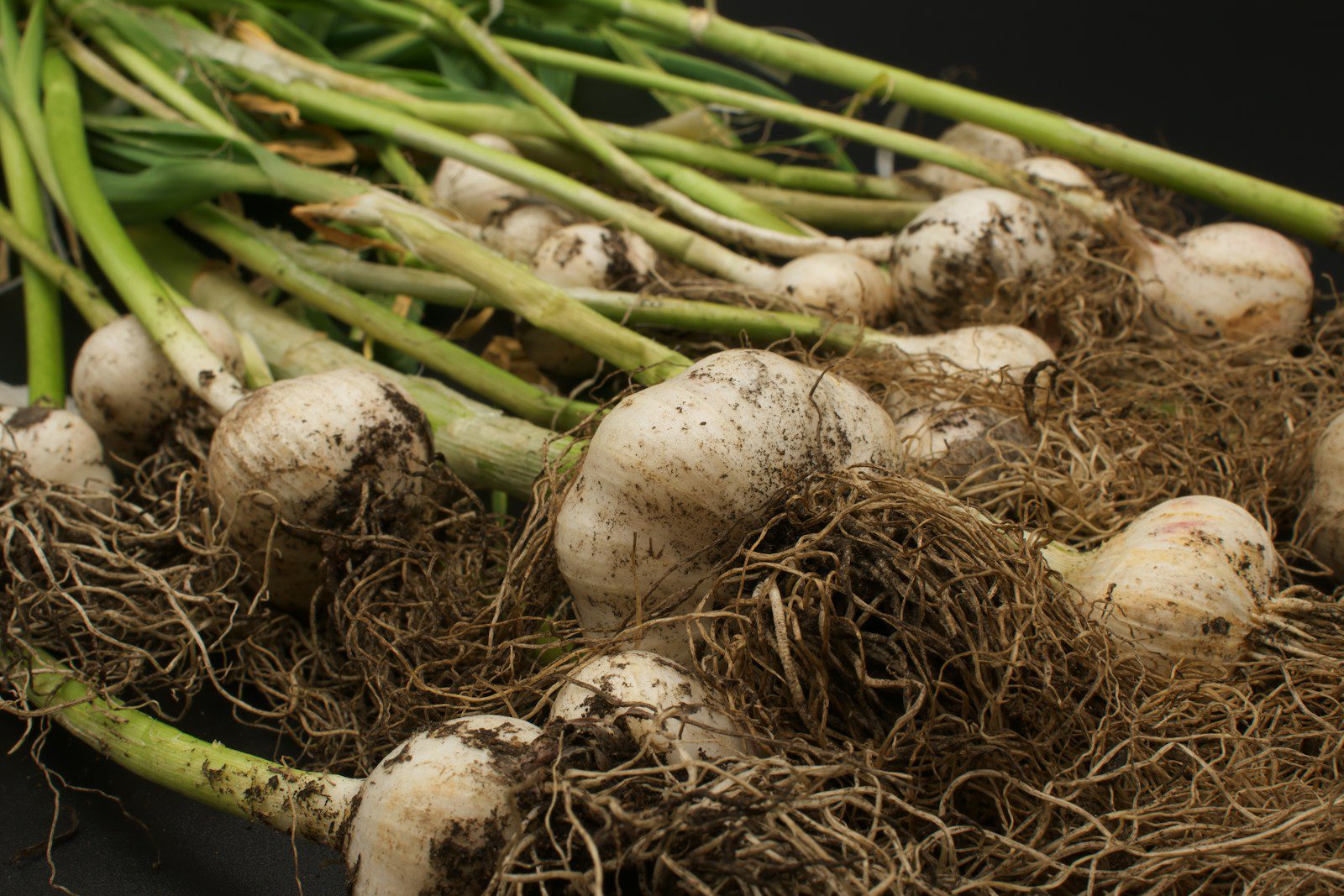
The visual difference is dramatic enough that experienced growers can usually spot a late-planted row without being told which bed it came from. A correctly timed clove, given its full 4-to-6 weeks of root establishment before the ground freezes, produces a bulb with plump, well-defined cloves wrapped in intact papery skin. A late-planted clove from the same variety often produces a bulb half that size, with thinner cloves and skins that tear more easily during curing — the visible result of a plant that entered dormancy without enough stored root energy to fuel a full growing season.
Why This Makes Garlic an Easy Win for Fall Gardens
Most vegetable gardening wraps up by the time garlic planting season begins, which is exactly what makes it an underused fall crop: there’s no competition for bed space, no midsummer pest pressure, and no daily watering schedule once the ground goes cold. A single clove, planted correctly, produces one full bulb by the following summer, and the plant asks for almost nothing between planting and a light spring feeding once green shoots appear. For gardeners used to thinking of fall as cleanup season, garlic offers something rarer: a crop that rewards precise timing now with a harvest that won’t show up for nine or ten months.
Marking the Date Instead of Guessing the Season
Because the zones that govern this cutoff are based on decades of minimum-temperature averages rather than any single year’s weather, the safest approach is to look up a specific USDA zone rather than eyeball the first cool morning. A gardener in Zone 6 who waits for a first frost that arrives later than average, and plants on that cue instead of the zone’s mid-October guidance, can unknowingly land inside that costly three-week-late window without ever missing a single calendar deadline they were tracking. The fix is simple even if the biology behind it isn’t: know the zone, plant to it, and let the cold do the rest of the work.