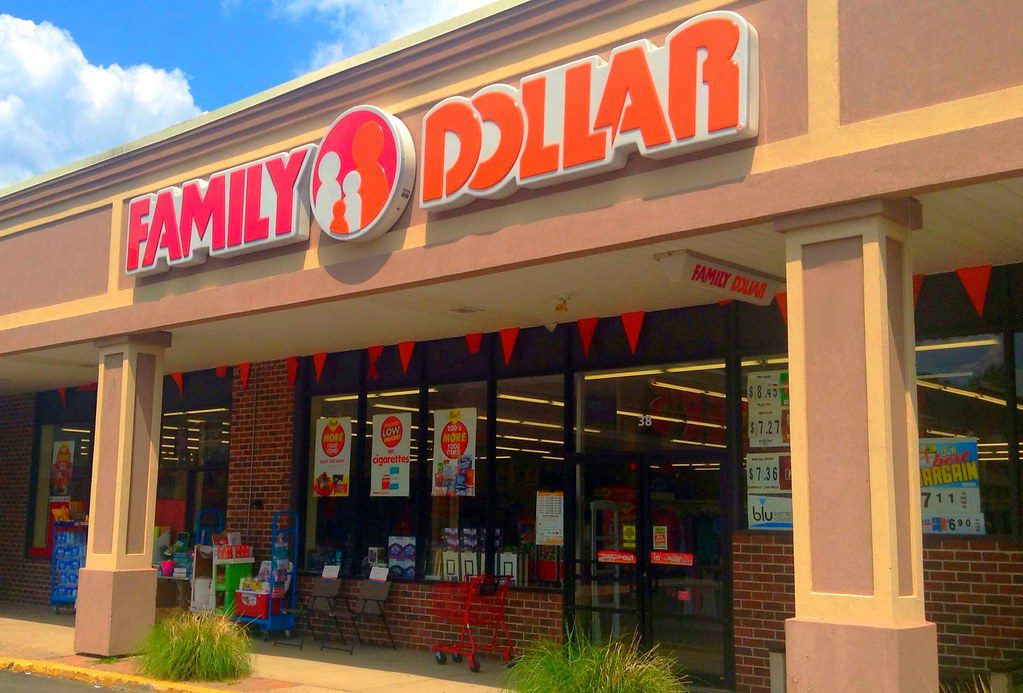
A Georgia woman’s routine shopping trip to Family Dollar nearly turned into a financial nightmare when she spotted something suspicious about the card scanner at checkout. The shopper discovered what appeared to be a card skimmer attached to the payment terminal, and when she questioned store staff about it, their response raised even more red flags.
The incident adds to growing concerns about card skimming devices showing up at retail locations across the state. Card skimmers have been found at Family Dollar stores in other parts of the country, with some customers losing money to unauthorized transactions before realizing what happened.
What made this situation particularly alarming was how the store worker allegedly responded when confronted. The shopper’s quick thinking and attention to detail may have saved her from becoming another victim of a scam that’s increasingly targeting discount retailers and self-checkout lanes.
How a Georgia Shopper Almost Fell for a Card Scanner Scam at Family Dollar
A Georgia woman’s routine shopping trip turned into a close call when she noticed something suspicious about the card scanner at checkout. The incident highlighted how card skimming schemes have evolved beyond ATMs and gas pumps to include retail checkout counters.
The Incident: Spotting Something Off at the Register
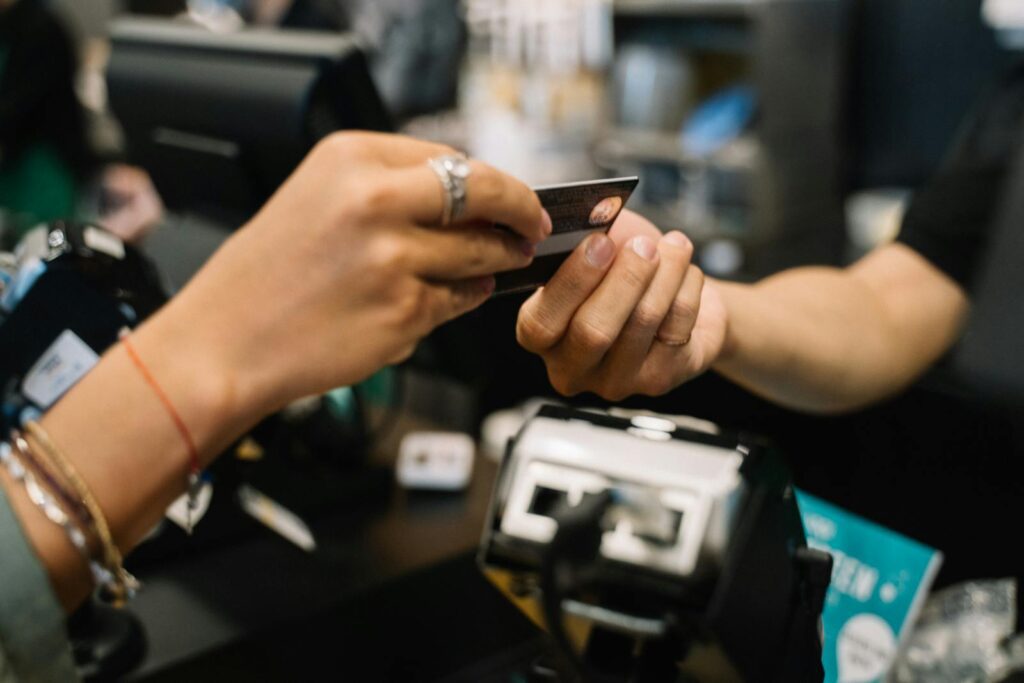
The shopper was checking out at a Family Dollar location in Georgia when she prepared to swipe her card. As she approached the payment terminal, something about the card reader caught her attention. The device looked slightly different than what she’d seen on previous visits to the store.
She noticed the scanner appeared bulkier than normal and didn’t seem to fit flush with the rest of the checkout equipment. The color also seemed off, suggesting it might be an attachment placed over the legitimate card reader. These visual inconsistencies made her pause before completing her transaction.
Card skimming devices are designed to steal financial information when customers swipe their cards. The woman’s observation skills potentially saved her from having her banking details compromised.
Confronting the Family Dollar Worker: Catching the Lie
When the shopper questioned the cashier about the unusual appearance of the card reader, the worker insisted nothing was wrong with the equipment. The employee claimed the scanner was functioning normally and encouraged her to proceed with the payment. This dismissive response only heightened the customer’s suspicions.
The woman persisted in expressing her concerns about the device. She asked specific questions about when the equipment had been installed or serviced. The cashier’s answers became increasingly vague and contradictory, making it clear something wasn’t right.
The worker’s reluctance to acknowledge the issue or call a manager suggested possible involvement in the scheme. Her attempts to rush the transaction and minimize the customer’s concerns were red flags that the shopper picked up on.
Common Tactics Used in Checkout Scams
Scammers at checkout counters often use distraction techniques to prevent customers from examining payment terminals closely. They may engage in excessive conversation or create a sense of urgency to rush the transaction. Card skimmers have been discovered at self-checkout lanes where customers are less likely to ask questions.
Another tactic involves placing fake devices over legitimate card readers at major retailers. Police departments in Georgia have found credit card skimmers on checkout machines at grocery stores. Some scams also involve gift card schemes where customers unknowingly pay for items not in their carts.
Thieves often target locations where employees may not regularly inspect equipment. The scammers count on customers not asking for consent to verify the legitimacy of payment devices.
Expert Tips: How to Recognize Card Skimming Devices
Law enforcement officials recommend physically inspecting card readers before swiping. Legitimate terminals should be securely attached and match the color and branding of other store equipment. If a device wiggles or feels loose, it could be a skimmer placed over the real reader.
Federal and Georgia authorities have discovered dozens of skimming devices during operations targeting these crimes. Investigators found 41 skimmers in one coordinated effort. Shoppers should look for pinhole cameras or unusual attachments near PIN pads.
If something seems off, customers shouldn’t hesitate to ask employees to verify the equipment. Any error messages or unusual prompts during payment should raise concerns. Paying with contactless methods or inside rather than at self-checkout can reduce risk.
Preventing Card Scanner Scams and What To Do If You Get Targeted
Shoppers who encounter suspicious payment situations need to act quickly to protect their financial information and report potential fraud to the right authorities. Quick thinking and knowing the proper channels can mean the difference between catching fraud early and dealing with serious financial consequences.
Immediate Steps to Take if You Suspect a Scam
When a shopper notices something off about a card reader or cashier’s behavior, they should stop the transaction immediately. If a worker says “oops, we’ll be right back” or claims “something went wrong, try refreshing” the card, these could be tactics to scan the card multiple times.
The customer should ask to speak with a manager right away and explain what happened. They need to check if the card reader looks damaged, loose, or different from other registers in the store. Skimming devices are typically installed on the outside of machines and can look like they belong there.
After leaving the store, the shopper should call their bank or credit card company to report the suspicious activity. Many banks can monitor the account for unusual charges or block the card entirely to prevent fraudulent transactions.
Reporting Fraud and Recovering Lost Money
Victims of card scanning scams should contact their financial institution immediately using the number on the back of their card. Banks typically have fraud departments available 24/7 to handle these situations.
The cardholder needs to dispute any unauthorized charges as soon as they appear. Most credit card companies offer zero liability protection for fraudulent purchases when reported promptly. They should also file a report with local police and provide details about the store location, employee description, and what happened during the transaction.
If the scam occurred at a major retailer like Family Dollar, customers should contact corporate customer service to report the incident. They may want to file a complaint with the FBI regarding skimming fraud, especially if organized crime appears involved.
Protecting Yourself: Practical Advice for Georgia Shoppers
Georgia shoppers can protect themselves from credit card skimmers by staying alert during checkout. They should watch the cashier’s hands and make sure the card only gets swiped or inserted once.
Customers who notice a worker acting nervous, making excuses about equipment failures, or requesting multiple card swipes should trust their instincts. Using mobile payment options like Apple Pay or Google Pay provides extra security because the actual card number never gets transmitted to the merchant.
Shoppers should regularly check their bank statements and sign up for transaction alerts. This way, if unauthorized charges appear, they’ll catch them within hours instead of weeks. When possible, using credit cards instead of debit cards offers better fraud protection and keeps checking account information safer.
More from Decluttering Mom: