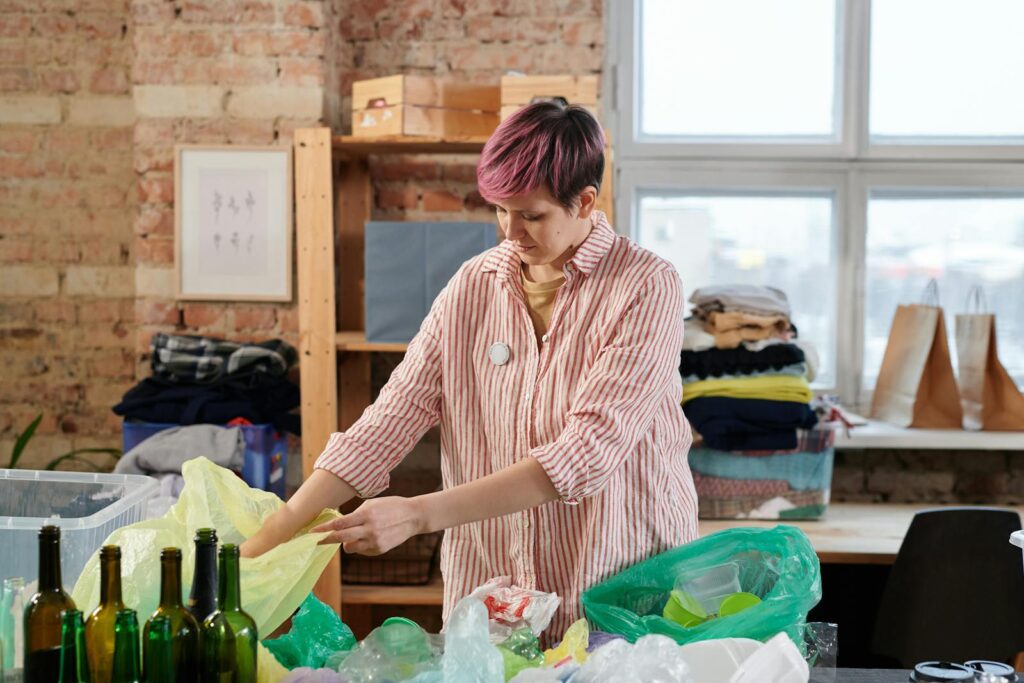
Getting rid of clutter is hard enough. Getting rid of gifts you never use can feel even worse.
For a lot of people, the problem is not just the item itself. It is the guilt attached to it. A candle from a friend, a personalized cutting board, a bath set you never opened, a craft kit you know you will never touch — all of it can end up sitting in your home far longer than it should, simply because it came from someone who meant well.
That emotional pressure becomes even heavier when you live in a small town, where nothing seems to disappear quietly.
In a Reddit post, one mom explained that she had figured out how to declutter gifts she does not use, does not want, and does not have room for without creating awkwardness with the people who gave them to her. She said the usual advice did not always work in her situation, especially because local thrift store finds sometimes get posted online by people trying to track down the original owner. She also said friends had expressed disappointment after spotting gifts they had given someone sitting in a thrift store later on.
The Real Problem Was Never Just the Gift
What makes unwanted gifts so difficult is that they rarely feel like ordinary clutter.
They carry a story. Someone picked them out. Someone spent money. Someone expected them to mean something. So even when the item is taking up space, collecting dust, or making daily life more frustrating, getting rid of it can feel like rejecting the person behind it.
That was the tension at the center of this woman’s post. She was not looking for a rude or dramatic way to clear things out. She was looking for a way to protect her space without damaging relationships in the process.
And that is a much more common problem than people admit.
A lot of decluttering advice assumes you can toss things in a donation bin and never think about them again. But social pressure changes everything. In some places, your donated item is not anonymous. It is a conversation waiting to happen.
Her Best Solutions Were Quiet, Practical, and Surprisingly Thoughtful
Instead of relying on public resale or donation methods that could easily backfire, she said three approaches worked best for her.
The first was regifting, but with intention. She explained that she only passes items along privately and makes sure they go to people who are not mutual friends with the original giver. She also pointed out that gifts do not have to wait for Christmas — they can make sense for birthdays, graduations, teacher appreciation, and other small but real occasions throughout the year.
The second was donating to nonprofits that give items directly to the people they serve, rather than dropping them off at a thrift store where they might end up back in public view. For her, that made it easier to declutter while still feeling like the item was going somewhere useful.
The third was simply using up what could be used up. She mentioned things like bath products, snacks, books, and craft kits — gifts with a natural endpoint. That way, she could honestly say she used and enjoyed them, then get rid of whatever remained without guilt hanging over the decision.
Why This Hits Such a Nerve for People Trying to Simplify
The bigger takeaway here is not really about gift etiquette. It is about how hard it can be to let your home reflect your actual life instead of everyone else’s expectations.
Many people keep things they do not need because they are trying to avoid seeming ungrateful, wasteful, or cold. But clutter has a cost too. It takes up physical space, mental space, and often emotional space.
That is why this kind of conversation resonates. It gives people permission to admit that gratitude and usefulness are not always the same thing.
You can appreciate the gesture and still not want the object living in your home forever.
Commenters reacted with their own ideas, from using larger thrift chains that move donations across wider regions to returning eligible items to stores without a receipt when possible. Others were more blunt, arguing that once a gift enters your home, it is yours to handle however you want.
Decluttering Does Not Have to Become a Relationship Problem
What made this post stand out is that it did not frame decluttering as a battle between honesty and kindness.
Instead, it showed that there is often a middle ground.
You do not have to keep every unwanted item out of guilt. But you also do not have to blow up relationships just to get your counters, closets, or shelves back. Sometimes the smartest solution is the quiet one — a private regift, a direct-donation nonprofit, or simply using something up and moving on.
That is what makes unwanted gifts such a loaded kind of clutter. They are rarely just “stuff.” They are feelings, expectations, and social pressure packed into objects that may not fit your life at all.
And for anyone trying to simplify their space without offending the people around them, that is a reminder worth hearing:
Decluttering does not have to mean being careless with people’s feelings.
But it also does not mean your home has to become permanent storage for things you never wanted in the first place.
More from Decluttering Mom: