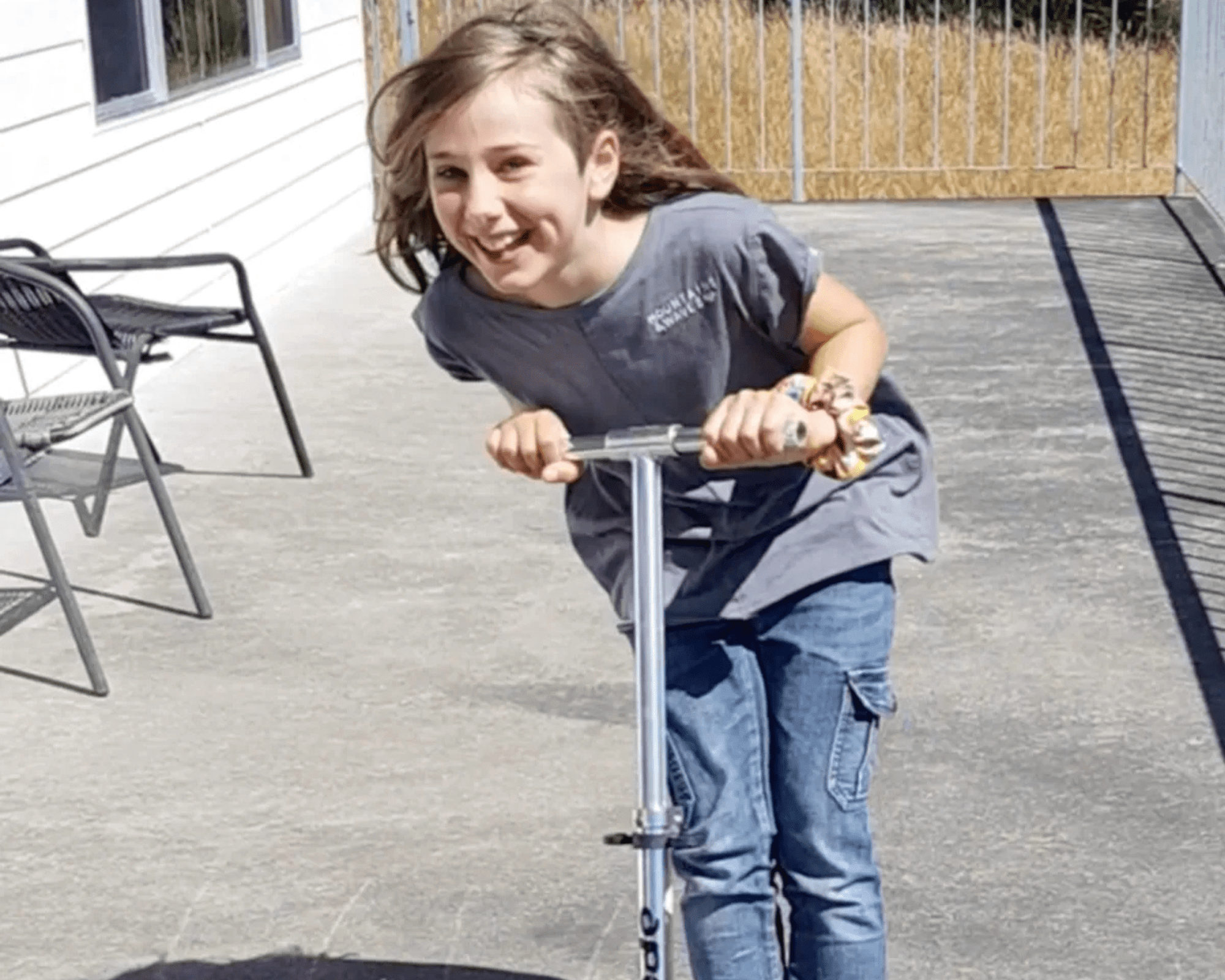
When 11-year-old Abbey Barrett died of brain cancer, her parents were left with a grief that does not really have a bottom, and a list of things they wish they had understood long before doctors finally named the disease. Their loss has turned into a kind of mission: to help other families spot the subtle signs, push for answers sooner, and feel less alone if the worst happens. What they learned the hardest possible way is not a magic formula for prevention, but it is a roadmap for paying attention when something feels off.
The Barretts’ story is specific and deeply personal, but the questions it raises are universal for anyone raising kids: How do you tell the difference between a rough patch and a red flag, between growing pains and something far more serious? Their experience, and what specialists know about childhood brain tumors, points to a handful of patterns that are worth having in the back of your mind.
Abbey’s story and the moment everything shifted
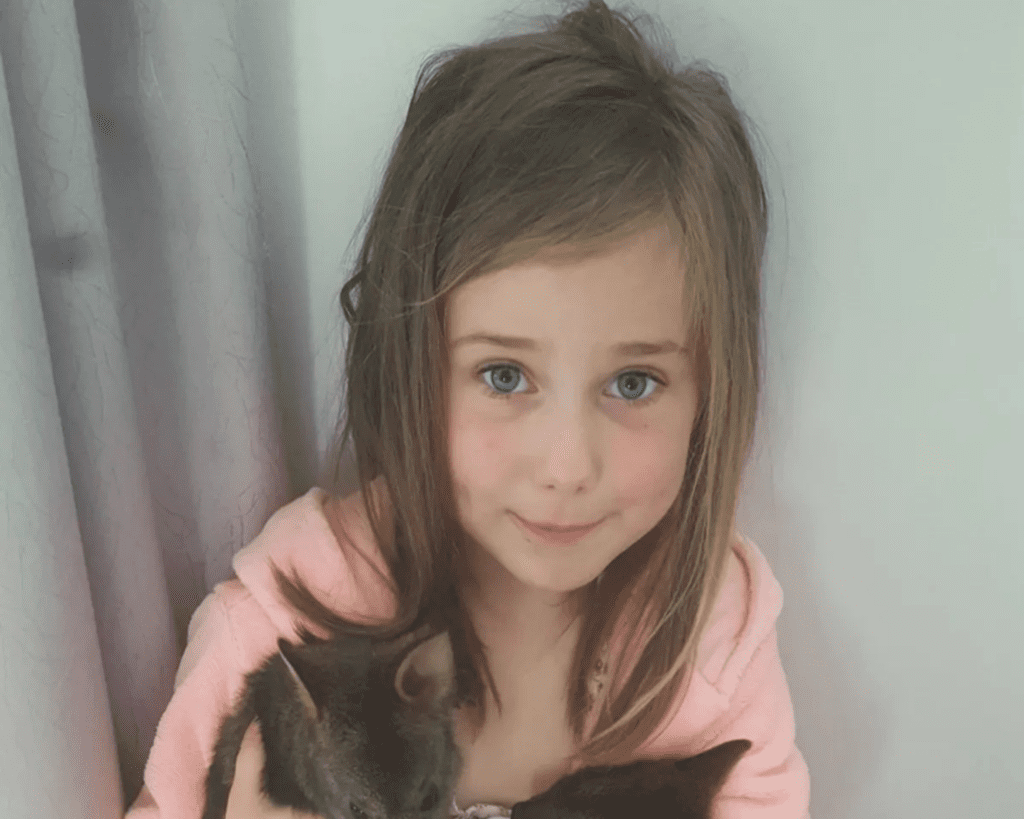
Abbey Barrett was an energetic 11-year-old in Australia whose life, on the surface, looked like any other kid’s, until a cluster of small changes began to stack up. Her parents, Justine and her husband, later described how those early signs did not arrive as a single dramatic event, but as a slow drift: a little more tiredness, a few more complaints, a sense that their daughter was not quite herself. By the time doctors diagnosed brain cancer, the disease had already taken a firm hold, and Abbey died in 2024, a detail her family has shared publicly as part of their push to raise awareness of what they now see as missed clues linked to brain cancer.
In interviews, Abbey’s parents have talked about replaying those months in their minds, wondering which moment should have triggered a louder alarm. They have described how, at first, they chalked up symptoms to school stress or normal childhood ups and downs, only realizing later that the pattern pointed to something far more serious. Their reflections have been shared under People Editorial Guidelines, which is part of why their account has resonated so widely: it is raw, specific and grounded in the details of what Abbey went through, rather than a vague cautionary tale.
What her parents wish they had known sooner
Looking back, Justine Barrett has said she wishes she had understood how a cluster of seemingly ordinary issues can add up to something that deserves urgent attention. She has spoken about how, over roughly 18 months, Abbey’s symptoms evolved, and how she now believes that trusting her instincts earlier might have changed the timeline, even if it could not have guaranteed a different outcome. That sense of hindsight is part of what drives the family’s decision to keep talking publicly, including through coverage that highlights the NEED for parents to feel empowered to ask hard questions.
The Barretts have also been clear that they are not trying to turn every headache into a crisis, but they do want other families to recognize patterns that should not be brushed off. In their telling, part of what hurt most was realizing how long they tried to rationalize Abbey’s symptoms instead of pushing for more tests, a theme that has been echoed in follow up pieces in Forever York that walk through the days and weeks leading up to her diagnosis. Their message is not that parents should live in fear, but that they should feel justified in saying, “Something is not right, and I need you to look again.”
The subtle warning signs doctors flag in kids
Specialists who treat pediatric brain tumors say that, in many children, the earliest clues are easy to mistake for everyday complaints. One of the most common is a recurring Headache, especially one that is worse in the morning or that wakes a child from sleep. According to guidance on Brain Tumors in Children: 8 Warning Signs You Should Know, many kids with a tumor also experience nausea or vomiting that is not clearly tied to a stomach bug, and that combination of symptoms is a key reason to get evaluated by a medical professional rather than waiting it out. The same resource notes that Brain Tumors in Children can also show up as balance problems, clumsiness or changes in how a child walks.
Other red flags fall under what experts describe as Childhood Brain Tumor that affect thinking and senses. Childhood brain tumors frequently cause changes in hearing, memory, learning, sight, smell or emotional regulation, and those shifts can look like a child suddenly struggling in school, becoming unusually irritable or seeming “spacey” in a way that is out of character. The same overview stresses that these signs can also signal other health problems, which is exactly why persistent or worsening issues deserve a closer look instead of being written off as a phase.
How Abbey’s symptoms fit the bigger medical picture
When Abbey’s parents describe the months before her diagnosis, what stands out is how their daughter’s experience lines up with what pediatric oncologists see again and again. They have talked about headaches, fatigue and changes in mood that, taken one by one, did not scream emergency, but together painted a picture that now feels painfully obvious. That pattern mirrors the way Childhood brain tumors often present, with subtle shifts in behavior and school performance that only later get connected to a physical cause.
Reporting on Abbey’s case has also emphasized how her story fits into a broader effort in Australia to get families talking more openly about childhood cancer. Coverage that has circulated across outlets in Australia has highlighted how the Barretts are using their daughter’s name and face to make those warning signs feel less abstract. By putting a real child at the center of the conversation, they are trying to bridge the gap between clinical lists of symptoms and the messy reality of parenting a kid who is suddenly not quite themselves.
Turning grief into a guide for other families
Since Abbey’s death, her parents have stepped into a role they never wanted, becoming advocates who speak candidly about what happened and what they hope other families might do differently. They have shared photos and memories, often credited as Courtesy of Justine Barrett, alongside specific advice about tracking symptoms, pushing for imaging when something feels off and not being afraid to seek a second opinion. Their story has been picked up in multiple places, including detailed write ups that frame their experience as a guide for other parents navigating similar fears.
That advocacy has also been amplified through companion coverage that repeats the core message: do not ignore your gut when it comes to your child’s health. Articles that revisit Abbey’s story in different formats, including versions shared on AOL, Yahoo and Forever York, all circle back to the same point: awareness is not a cure, but it is one of the few tools parents have. For the Barretts, sharing Abbey’s story is a way to keep her present in the world while giving other families language and information they might need in a moment of doubt.
More from Decluttering Mom: