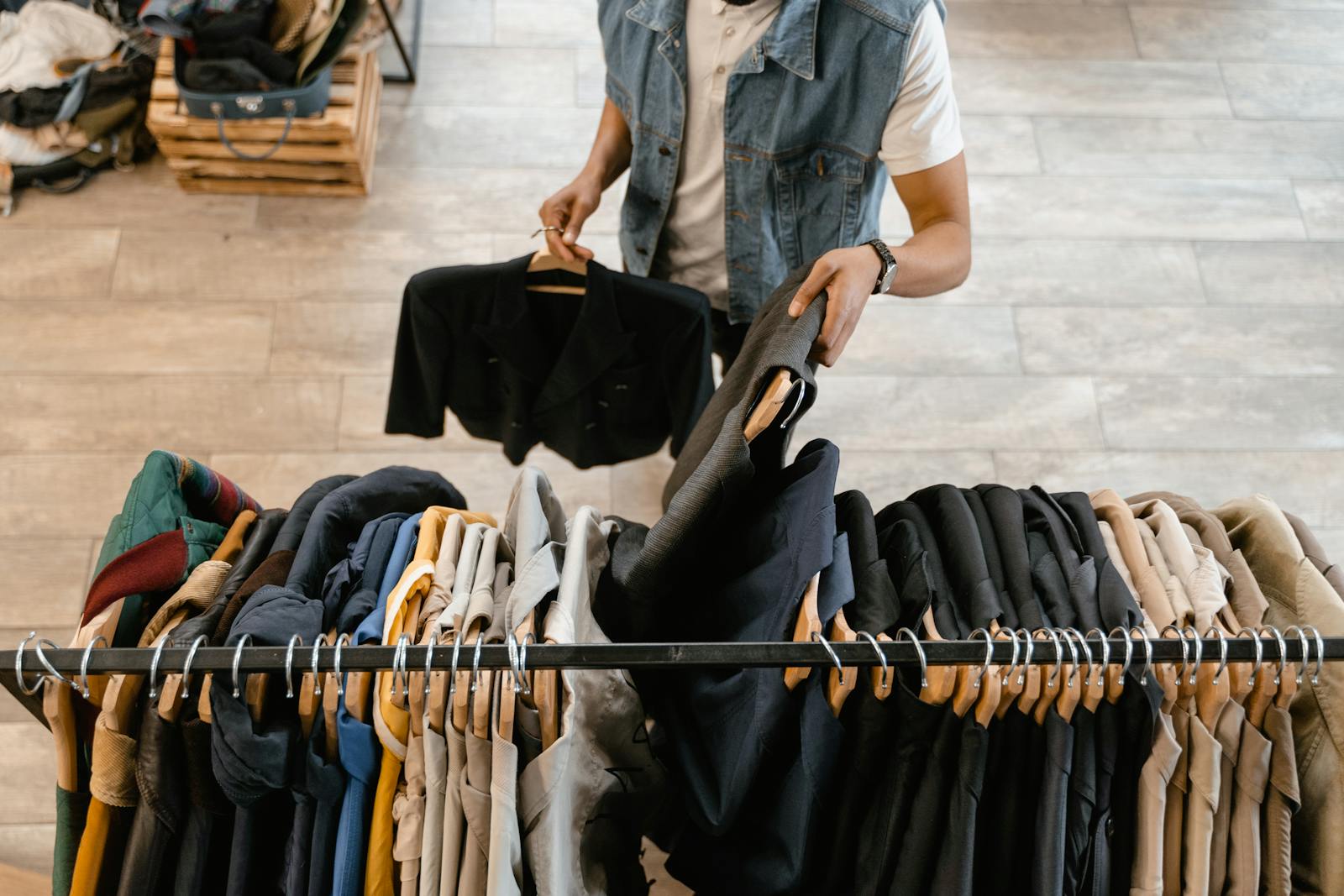
Goodwill used to be the place where a tight budget and a little patience could outfit a whole family. Now, longtime shoppers say the price tags look more like a mid-tier retail chain than a charity shop, and they are not shy about calling it out. As complaints pile up online and in store aisles, experts warn that the thrift giant’s original mission to serve low income communities is starting to feel like an afterthought.
Behind the anger is a bigger question about what a “charity store” should look like in 2026, when secondhand fashion is trendy, reselling is a side hustle, and Goodwill is rolling out sleek new stores. The organization insists its retail growth funds job training and anti-poverty work, but frustrated customers say that is hard to see when a donated mug costs more than it did new.
The sticker shock that lit up social media
The current wave of frustration did not start in a boardroom, it started in the aisles, where shoppers are snapping photos of price tags that feel wildly out of step with the thrift store promise. One viral complaint came from a shopper who said they were “absolutely disgusted” by how many items at their local Goodwill were marked up, accusing the organization of “profiting billions” while customers struggled to afford basics, a claim shared in This Reddit post. Another shopper took their frustration to the r/ThriftGrift community after spotting a pair of jars at their local Goo branded store with a price that commenters called “honestly one of the worst ones” they had seen, a moment captured in a separate Goo complaint.
Those posts are not isolated grumbles, they are part of a steady stream of photos and rants that show everything from chipped pitchers to basic clothing tagged at prices that rival discount big box stores. In one widely shared example, a shopper posted a picture of a pitcher with a price that stunned onlookers, and Commenters on Reddit said they were just as appalled, with one arguing that Goodwill was starting to look like “other for profit business” operations. The outrage is not just about a single overpriced knickknack, it is about the creeping sense that the bargain hunt has been replaced by a game of “guess which item is priced like a luxury good.”
“Outrageous prices” and a mission that feels off course
As more shoppers vent, the language has sharpened from mild annoyance to outright anger, with some calling the new tags “outrageous prices” that betray what they thought Goodwill stood for. In one interview, consumer expert Michael Podolsky did not mince words, saying the organization’s “mission is slipping” as customers like Jan complain that the store that once catered to people on tight budgets now feels out of reach, a criticism laid out in a report on Goodwill pricing. Podolsky’s point is simple but cutting, if the people Goodwill was built to serve can no longer afford to shop there, then something fundamental has gone wrong.
Shoppers echo that sentiment in their own words, describing the emotional whiplash of walking into a place they associate with relief and walking out empty handed. One customer summed it up bluntly, saying, “Seeing a more expensive price tag in a store that originally catered to affordability is frustrating for me as a consumer,” a line that captures the sting of feeling priced out of a charity shop and is quoted in a follow up piece that highlights how Seeing those tags changes the whole experience. When the brand story is built on helping people stretch every dollar, even a few dollars more on a donated item can feel like a betrayal.
From quarter-bin finds to $1.99 shockers
Part of why the backlash feels so intense is that shoppers have a clear mental baseline for what thrift prices used to look like. In one video that has been widely shared among thrifters, a creator points out the absurdity of paying 25 cents at Walmart for an item, then finding the same thing at Goodwill for $1.99, joking that they will “say it a hundred times” because it still does not make sense, a comparison laid out in a clip about $1.99 pricing. That kind of side by side math is brutal for a brand that has long sold itself as the cheaper alternative to big box retail, not the more expensive one.
Another creator, posting in Oct, walks viewers through racks that “feel a bit more like a curated boutique” than a community thrift, pointing out that Goodwill prices are “up way up” and asking why a store built on donations is suddenly charging like a specialty shop, a critique unpacked in a video titled Oct. The visual of a faded T shirt priced like a new one at a discount chain hits hard, and it feeds the narrative that Goodwill is chasing a different kind of customer, one who is willing to pay more for the thrill of the hunt or the cachet of “vintage,” while the original bargain hunters are left behind.
Thrift stores, Tik Tok trends, and the reseller effect
Underneath the sticker shock is a bigger cultural shift in how secondhand shopping works, and Goodwill is caught right in the middle of it. Thrift stores were originally built for low income families, not Tik Tok trends, not resellers, and definitely not online auctions run by multibillion dollar operations, as one critic bluntly puts it in a video dissecting how the market has changed, a point made in an Aug clip about Tik Tok driven demand. When influencers turn thrift hauls into content and resellers treat Goodwill as a sourcing pipeline, the pressure to squeeze more revenue out of every donated item naturally grows.
Goodwill is not the only chain feeling that pressure, but it is the one that has built its brand most aggressively around a social mission, which makes the optics of chasing trend driven shoppers especially fraught. Retail analysts note that the organization is trying to “continue to see growth” in a shaky market, even as its “erratic prices” risk alienating core customers, a tension explored in a discussion that asks whether Will Goodwill keep “winning.” The result is a strange split screen, on one side, shoppers who feel squeezed, on the other, a nonprofit that sees a booming resale economy and is trying not to leave money on the table.
Inside Goodwill’s own playbook: growth and “Eliminate Poverty”
To understand why Goodwill is so focused on revenue, it helps to look at how the organization talks about itself internally. In one regional strategic plan, leaders lay out a sweeping vision to “Eliminate Poverty,” arguing that the resources already exist to make that happen if they are channeled into the right programs, a goal spelled out in a document that starts by Beyond retail. Another planning document from the same network talks about “Defining” a “Shared Vision” and uses the phrase “Our” vision statement to “Eliminate Poverty” as the north star guiding its practical work through 2026, language that appears in a regional roadmap titled Shared Vision.
Those documents make it clear that Goodwill does not see itself as just a thrift chain, it sees the stores as engines that fund job training, education, and barrier removal for people living in poverty. In Florida, for example, analysts describe how, Beyond its familiar retail presence, Goodwill functions as a major workforce development and barrier removal partner, helping move people into jobs while diverting millions of pounds of materials from landfills, an impact summarized in a report on Goodwill in Flo. From that vantage point, higher prices are not just about margin, they are about funding a much bigger anti poverty machine, but that nuance is rarely visible on a crowded sales floor.
Modern makeovers, 78 new stores, and a new kind of shopper
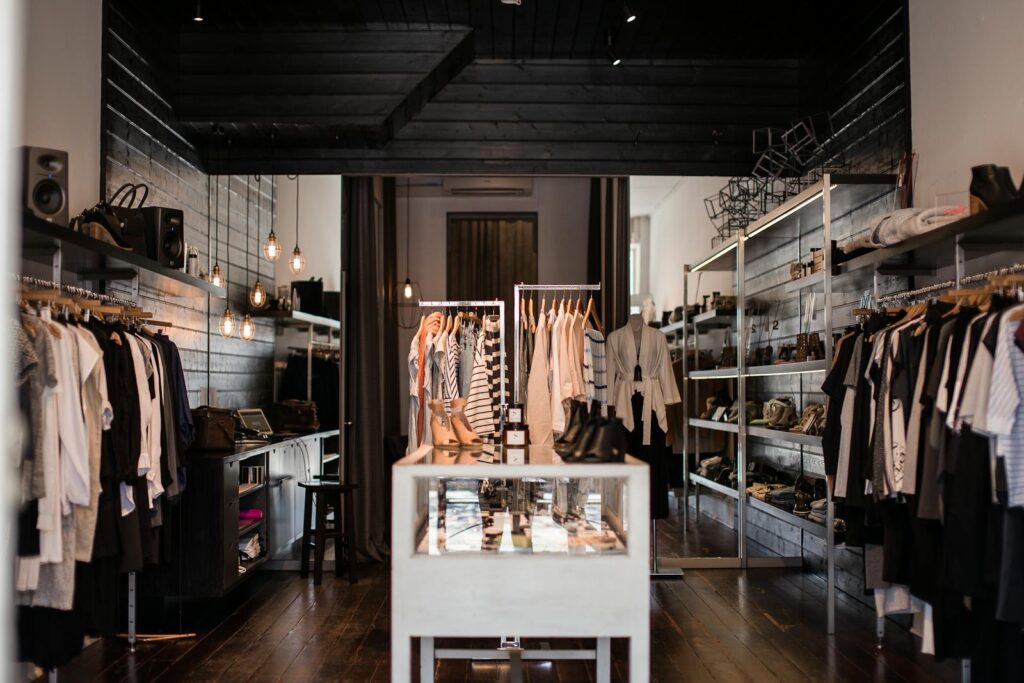
While customers argue over price tags, Goodwill’s leadership is busy rolling out a modernization plan that looks a lot like a traditional retail expansion. The organization, Founded in 1902, has grown into one of the most recognizable thrift brands in the world, and it now plans to open 78 new stores in 2026 as part of a broader push to refresh its image and attract Gen Z and higher income shoppers, a strategy described in a report on how Founded Goodwill is revamping. The revitalization includes brighter layouts, curated racks, and a more polished shopping experience that looks designed to compete with mainstream retailers, not just other thrift stores.
At the same time, Goodwill is experimenting with different formats to answer critics who say the chain has forgotten its roots. One education specialist named Hezekiah pointed to plans for a new “outlet” store where items will be listed for only a few cents, framing it as part of the company’s 2026 changes and a way to keep ultra low prices in the mix even as other locations get a makeover, a detail shared in a piece about how Goodwill is opening outlets. That split strategy, glossy front line stores paired with bare bones outlets, is Goodwill’s attempt to have it both ways, but it also risks deepening the perception that the nicest spaces are reserved for those who can pay more.
When “absurd” items hit the sales floor
Nothing crystallizes shopper frustration quite like the oddball items that somehow make it onto the sales floor with full price tags. One widely shared example involved a Goodwill location putting an obviously unusable or inappropriate item up for sale, prompting a shopper to call it “so rude” and sparking a wave of comments about how far the chain had drifted from its reputation for common sense and care, a moment recounted in a piece by Goodwill observer Christine Dulion. The item itself almost matters less than what it represents, a sense that the sorting process has become so focused on monetizing donations that basic judgment is slipping.
For shoppers who see Goodwill as part of a broader ecosystem of ethical and sustainable shopping options, those “absurd” listings are more than just fodder for jokes. They raise questions about whether the organization is still aligned with the values that draw people to secondhand in the first place, like respect for donors, dignity for low income customers, and a genuine commitment to reuse rather than just revenue. When a chain that trades on its moral mission starts to look careless or cash hungry, even small missteps can feel like proof that the whole model is off track.
How Goodwill explains the price tags
Inside Goodwill, leaders insist there is more logic to the pricing than a quick scroll through social media might suggest. The organization points out that each member group sets its own prices based on local conditions, which is why a pair of jeans might cost one thing in a high income suburb and something very different in a rural town, a detail mentioned in coverage of how Jan and others see the changes. From that perspective, what looks like chaos to shoppers is, in theory, a tailored approach that tries to balance revenue needs with community realities.
Goodwill also leans heavily on the argument that every extra dollar on the sales floor helps fund job training, education, and support services that go far beyond the racks. In Florida, for example, analysts describe Goodwill as a “major workforce development and barrier removal partner,” highlighting how its programs help people with disabilities, those reentering the workforce, and others who face steep barriers to employment, as detailed in the same Goodwill impact report. The problem is that shoppers rarely see that connection spelled out on a price tag, so the tradeoff between a higher sticker and a funded training slot remains abstract.
More from Decluttering Mom: