If you’ve ever opened a cabinet in your grandmother’s kitchen, chances are you’ve seen those pastel-hued, burp-sealed containers stacked like puzzle pieces. Tupperware, once a symbol of mid-century domestic efficiency, is having a bit of a renaissance.
What was once sold through lively home parties is now gracing collector shelves—and fetching real money online. Let’s take a closer look at what vintage Tupperware really is, why it meant so much to previous generations, and whether you should hang onto—or cash in on—your colorful plastic pieces.
What Is Tupperware?

Tupperware is a brand of airtight, reusable plastic containers invented by Earl Tupper in the 1940s. Made from a lightweight, durable plastic called polyethylene, Tupperware revolutionized food storage with its patented “burping” seal that kept food fresher longer. The containers became household staples in the 1950s thanks to the Tupperware Party model—home demonstrations primarily hosted by women, which turned the product into both a kitchen essential and a business opportunity. Over the decades, Tupperware introduced a range of vibrant colors, stackable designs, and themed collections that became instantly recognizable. Learn more at Collectors Weekly.
Why Grandma Held Onto It

For many families, Tupperware wasn’t just a kitchen tool—it was a rite of passage. It was affordable, dependable, and often acquired piece by piece at home parties or as gifts at weddings and baby showers. Women built entire sets over the years, sometimes customizing them by color or size. Because it was made to last, much of it did last—passed down through generations, still functioning decades later. And for many women of the 1950s and ’60s, selling Tupperware was also a source of income and independence, which added emotional value to the plastic wares on the shelf.
What It’s Worth Today
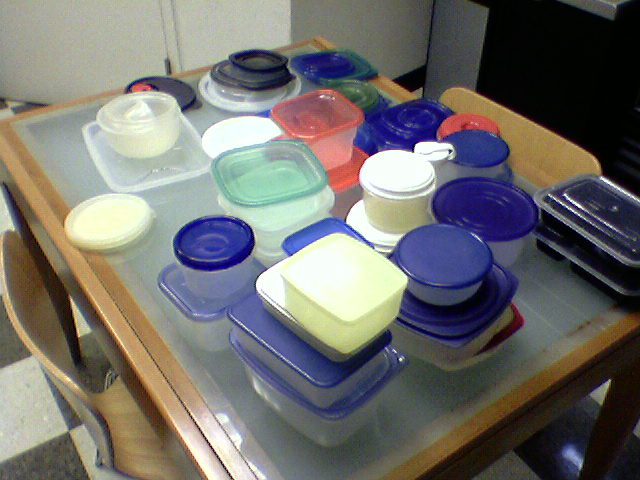
Depending on the rarity, color, and condition, vintage Tupperware can fetch anywhere from $5 to over $100 per piece. A basic sandwich keeper might go for $10 on eBay, but rarer items—like a complete pastel “Millionaire Line” bowl set or the mid-century “Wonderlier” bowls in mint condition—can sell for upwards of $75–$150. The coveted “pickle keeper” and pieces in discontinued colors like mint green, pink, or orange sherbet tend to drive up the price. Browse real listings on eBay.
Popular Styles or Models Collectors Look For
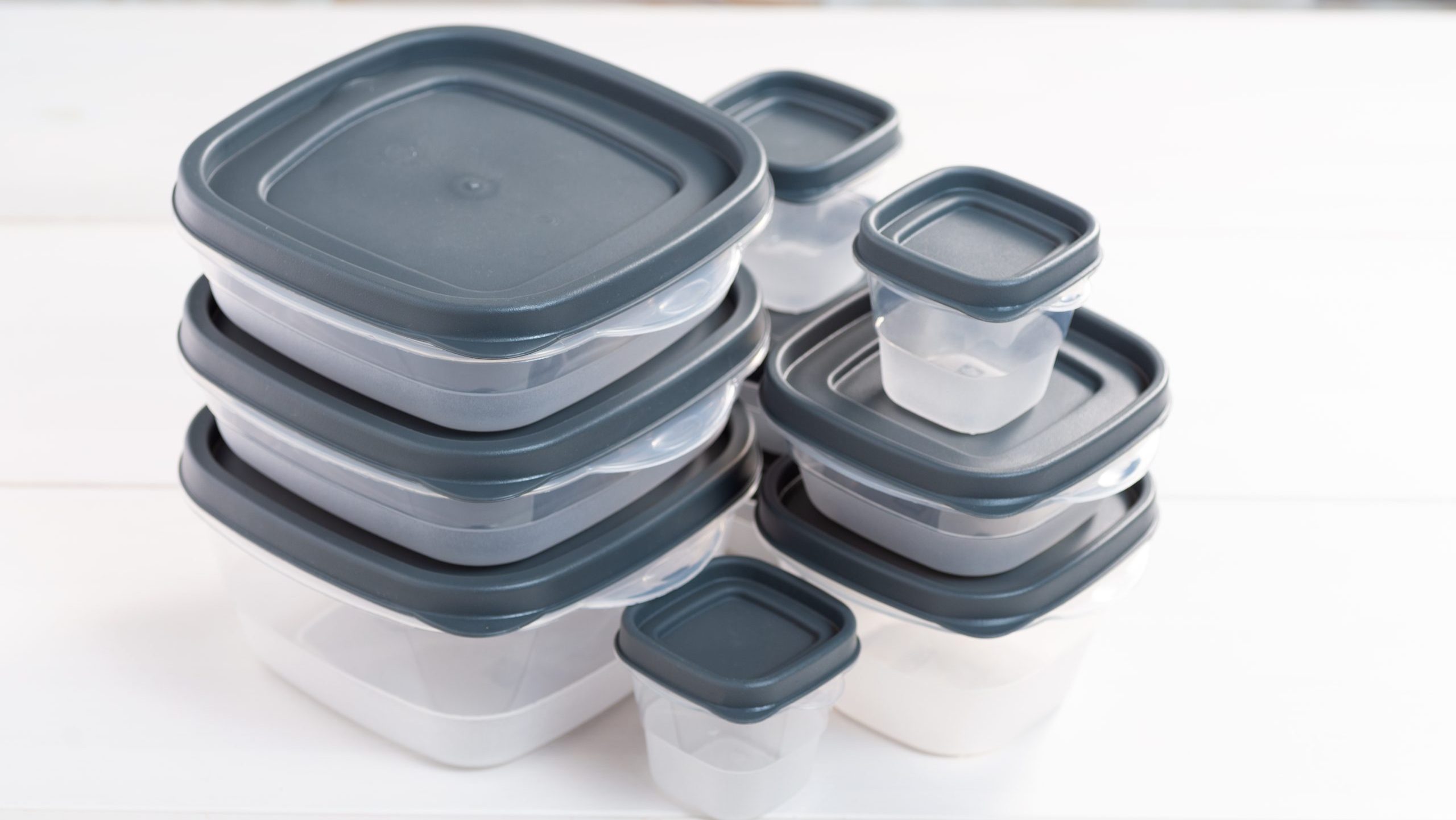
- Wonderlier Bowls (1950s): Nesting bowls with tight-fitting lids, available in pastel and jewel tones.
- Fix-N-Mix Bowl: A giant mixing bowl popular for baking, often found in bold colors like harvest gold.
- Pick-A-Deli Container: A tall, narrow jar with a lift-out strainer—ideal for storing pickles.
- Salt & Pepper Shakers: Compact, colorful, and perfect for display; especially desirable in matching sets.
- Cake Taker: A round, handled container that transported cakes safely—fetching higher prices in retro shades.
How To Identify Authentic Vintage Tupperware

Spotting genuine vintage Tupperware takes a bit of know-how. Authentic pieces often feature raised mold numbers on the bottom and embossed Tupperware logos (not printed or painted). Older pieces have thicker plastic, retro fonts, and colors that reflect their era—like avocado green, goldenrod, or pale pink. If you’re unsure, compare your item with vintage catalogs or collector forums. For reference, TupperwareFan.com and Etsy seller guides offer helpful identification tips.
Where To Find It Now
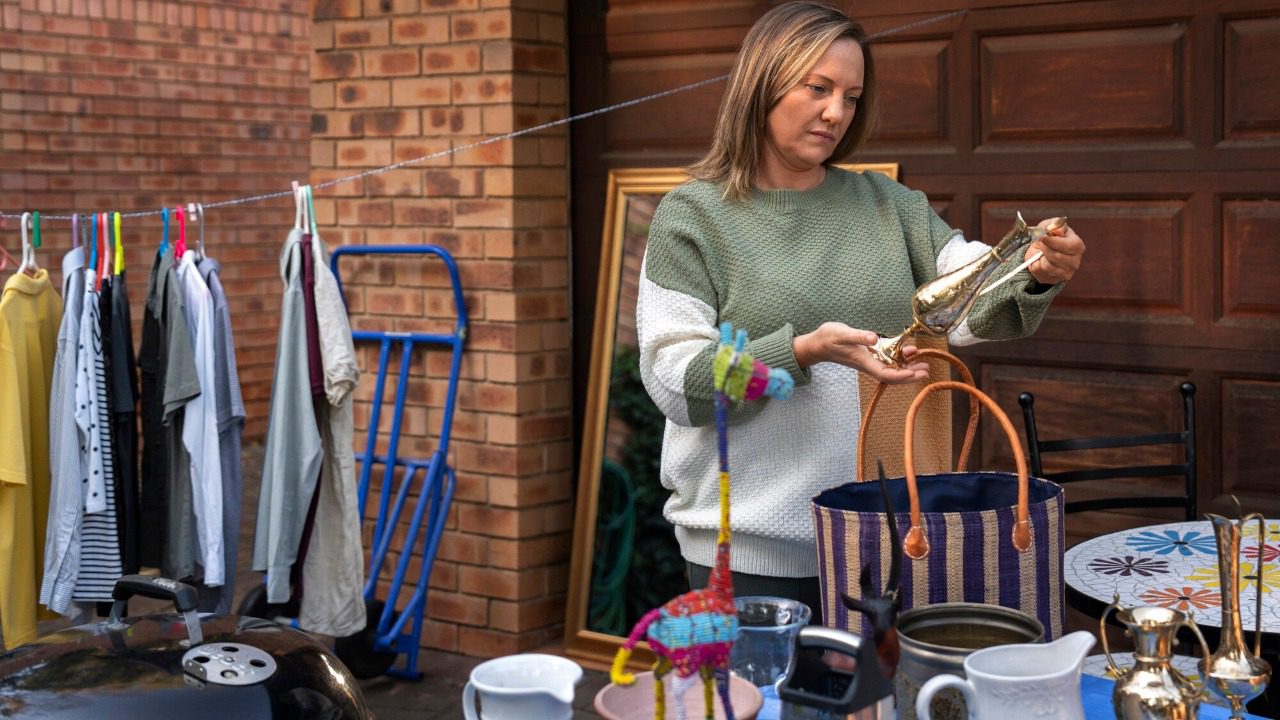
If you’re on the hunt for vintage Tupperware, start with estate sales and thrift stores—especially in older neighborhoods. Local Facebook Marketplace listings and antique malls often have collections from downsizing households. Online platforms like Etsy and eBay offer wide selections, but prices may be higher.
When buying, check for cracking, fading, or missing lids, which can drastically reduce value. And beware of modern reproductions—look for embossed logos and mold numbers on older pieces to confirm authenticity.
Caring for Vintage Tupperware
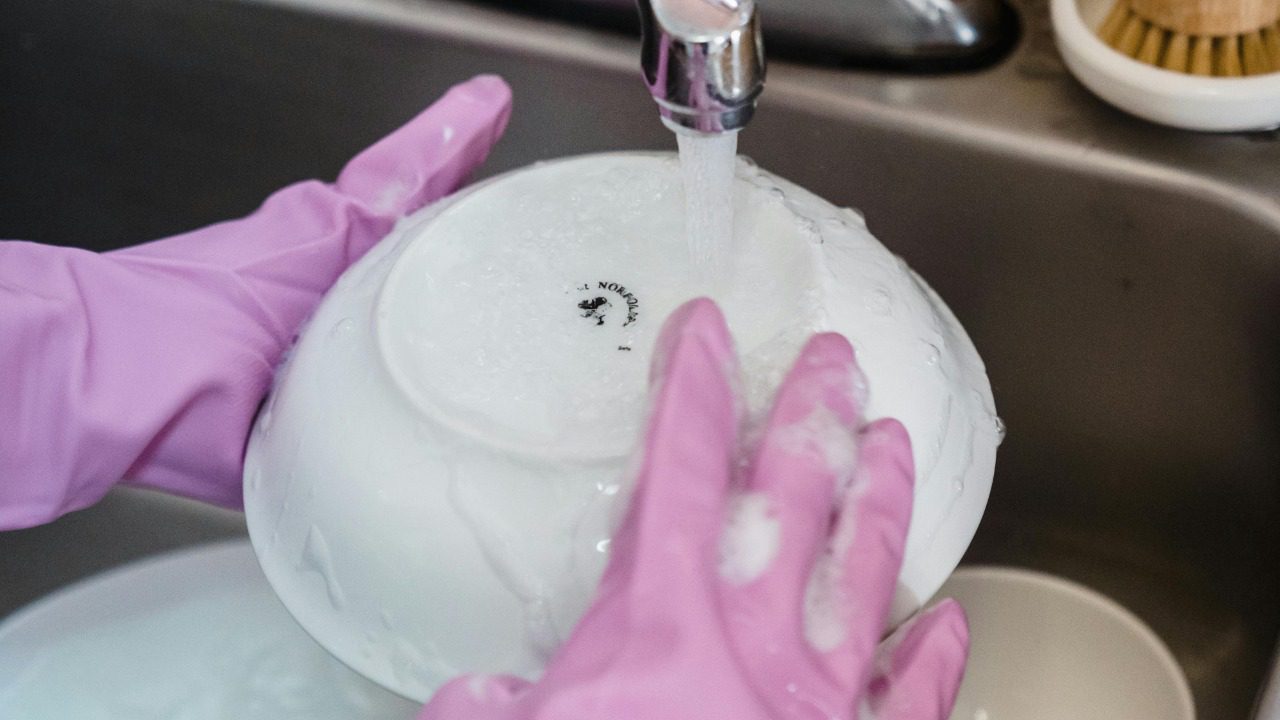
To preserve the life and value of vintage Tupperware, avoid putting it in the dishwasher—high heat can warp or fade the plastic. Instead, hand wash gently with mild soap.
For stains or lingering smells, a paste of baking soda and water can help. Store containers with lids off to prevent sticking and warping. If you plan to display your collection, keep it out of direct sunlight to prevent discoloration over time.
Should You Sell or Hold Onto It?
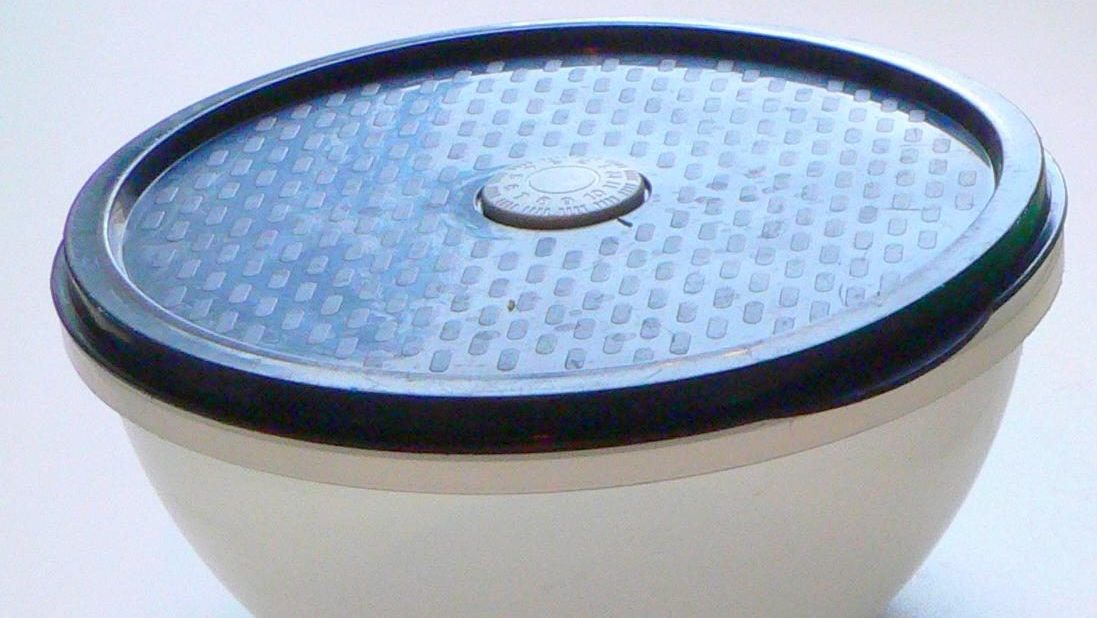
Tupperware’s value has seen a steady climb, especially among collectors nostalgic for mid-century design. If you own rare pieces in good condition, they might fetch a decent return today—but that could rise even more over time. On the flip side, Tupperware makes for charming, functional display pieces in vintage kitchens.
If you’re emotionally attached or enjoy the retro aesthetic, consider holding onto it. If you choose to sell, clean the pieces gently and photograph them well—collectors love clear, detailed listings.
The Future of Tupperware Collecting

Interest in vintage kitchenware is on the rise, and Tupperware’s recent struggles as a modern brand may make its older products even more collectible. As younger generations embrace retro style and sustainable alternatives to disposable containers, vintage Tupperware could continue to gain value and appeal. Pieces in unusual colors or limited-edition prints may become especially desirable. Keep an eye on resale markets and collector trends—they’re often the best indicators of what’s next.