You want weeknight dinners that taste like they took longer than they did. Skip the steam-and-soggy gray outcome and focus on how you brown ground beef to unlock deeper flavor and juiciness that lifts tacos, sauces, and skillets alike. Browning ground beef properly — letting it develop Maillard color instead of steaming — is the single step that most reliably boosts flavor and texture.
You’ll learn why that crust matters, how a small trick like a brief rest with a pinch of baking soda or simple pan technique helps, and which cuts and seasonings respond best. Stick with these practical tips and your ground beef will stop tasting like reheated leftovers and start tasting like the meal you actually wanted.
The Secret Step: Why Proper Browning Makes All the Difference
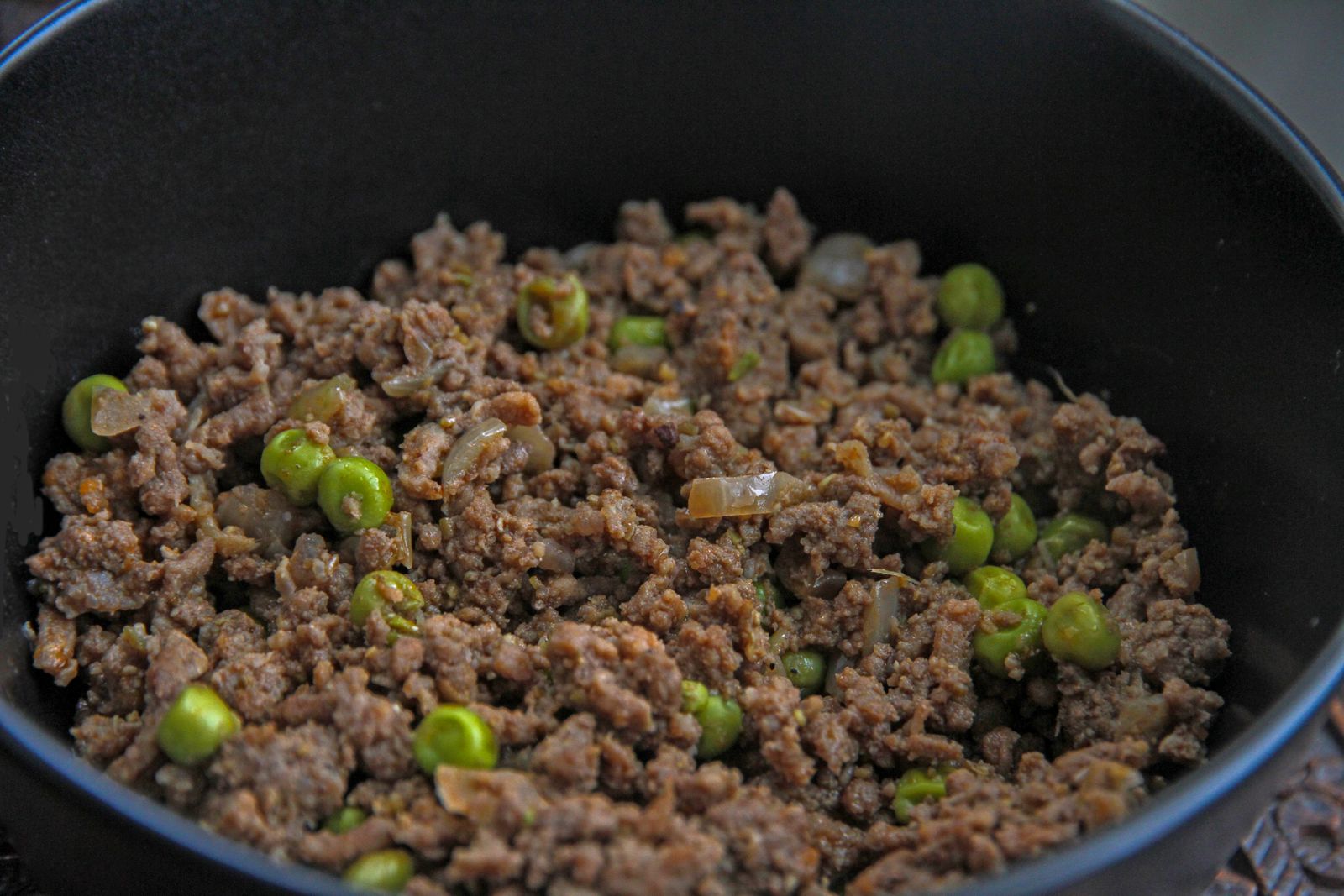
Proper browning transforms plain ground beef into deeply flavored, better-textured dishes. Heat, timing, and a dry surface are the three practical elements that control flavor, color, and juiciness.
Unlocking Deep Flavor Through Browning
Browning creates new savory compounds through the Maillard reaction when beef surface temperature reaches roughly 330–390°F. That reaction gives you caramelized crusts, nutty aromatics, and a richer beef flavor that stews or tacos rely on. To get that when you cook ground beef, start with a hot pan and add the meat in a single layer so pieces contact the skillet directly.
Let each chunk sit undisturbed for 2–4 minutes to form a brown crust before breaking it up. Work in batches if the pan crowding drops temperature. Drain excess fat only after good browning so you keep flavor without a greasy finish.
Common Mistakes That Lead to Dry or Gray Beef
The most frequent error is adding meat to a cold or overcrowded pan. That causes steaming instead of searing and produces pale, gray crumbly beef. Stirring constantly before a crust forms compounds the problem by releasing moisture and preventing the Maillard reaction.
Another mistake is using too much water-rich lean beef without adjusting technique. Lean 93% beef releases less fat, so give it a hotter pan and shorter contact time, or add a small splash of oil to promote browning. Finally, overcooking after browning makes crumbled, dry texture—stop once you reach safe temperature and desired brown.
Using Baking Soda for Superior Texture and Color
A light baking soda trick raises surface pH, which accelerates the Maillard reaction and deepens browning. Sprinkle about 1/4 teaspoon of baking soda per pound of ground beef, toss briefly, and let it sit 10–15 minutes before cooking. You’ll notice faster color development and a slightly more tender bite.
Don’t overdo the baking soda; excess creates a soapy taste and mushy texture. Use the method on leaner beef or when you need quicker browning in a large batch. Rinse only if you detect an off flavor—most of the time, you can cook directly after the brief rest and proceed to brown ground beef as usual.
Choosing, Seasoning, and Cooking the Best Ground Beef
Use the right grind, season deliberately, and control heat for even browning and minimal grease. Small choices—blend, salt timing, searing method—make the biggest difference in flavor and texture.
Selecting the Right Blend: Ground Chuck vs. Lean Options
Pick 80/20 ground chuck when you want juicy burgers or meatballs that stay moist after cooking. The 20% fat renders during cooking and carries flavor; it also helps form a good sear without drying out the interior.
Choose 85/15 or 90/10 for pasta sauces, tacos, or lasagna where you want less grease and finer crumble. Leaner blends give firmer texture and reduce splatter, but they can overcook quickly and taste drier if you don’t add moisture.
When shopping, look for bright red color and minimal liquid in the package. If you plan to pound or form patties, handle the meat gently—overworking causes tight, dense results regardless of blend.
Mastering Seasoning for Juicy and Flavorful Results
Season simply and intentionally: salt, black pepper, garlic powder, and onion powder are reliable foundations. Salt the meat just before cooking for crumbles and sauces so juices don’t get drawn out too early; for larger patties, lightly salt and rest for 5 minutes before cooking to let flavors settle.
Add fresh aromatics—minced onion or garlic—during cooking, not in the raw mix for burgers, to avoid excess moisture. For Tex-Mex dishes, use cumin, smoked paprika, and chili powder; for Italian applications, add oregano and basil toward the end to preserve brightness.
If you want to boost juiciness in lean blends, mix in a tablespoon of olive oil or finely grated onion per pound. Taste and adjust seasoning after cooking; cooked ground beef concentrates flavor and often needs a final seasoning tweak.
Techniques for Even Cooking and Avoiding Grease
Start with a hot pan to get an immediate sear; that locks in juices and creates Maillard browning. For crumbled beef, break the meat into large chunks in the pan, let one side brown undisturbed for 90 seconds, then chop and flip to finish.
Tilt the pan and spoon off excess fat as it accumulates, or use a fine-mesh strainer to drain into a heatproof container. For burgers, press a slight dimple in the center of each patty so they cook flat and evenly.
If cooking from frozen, thaw partially in the microwave then finish on medium heat to avoid a burnt exterior and undercooked center. Use an instant-read thermometer when necessary: cooked ground beef should reach 160°F for safety and optimal texture.
Relevant details on blends and handling help you season ground beef correctly and cook it with less grease and more flavor.