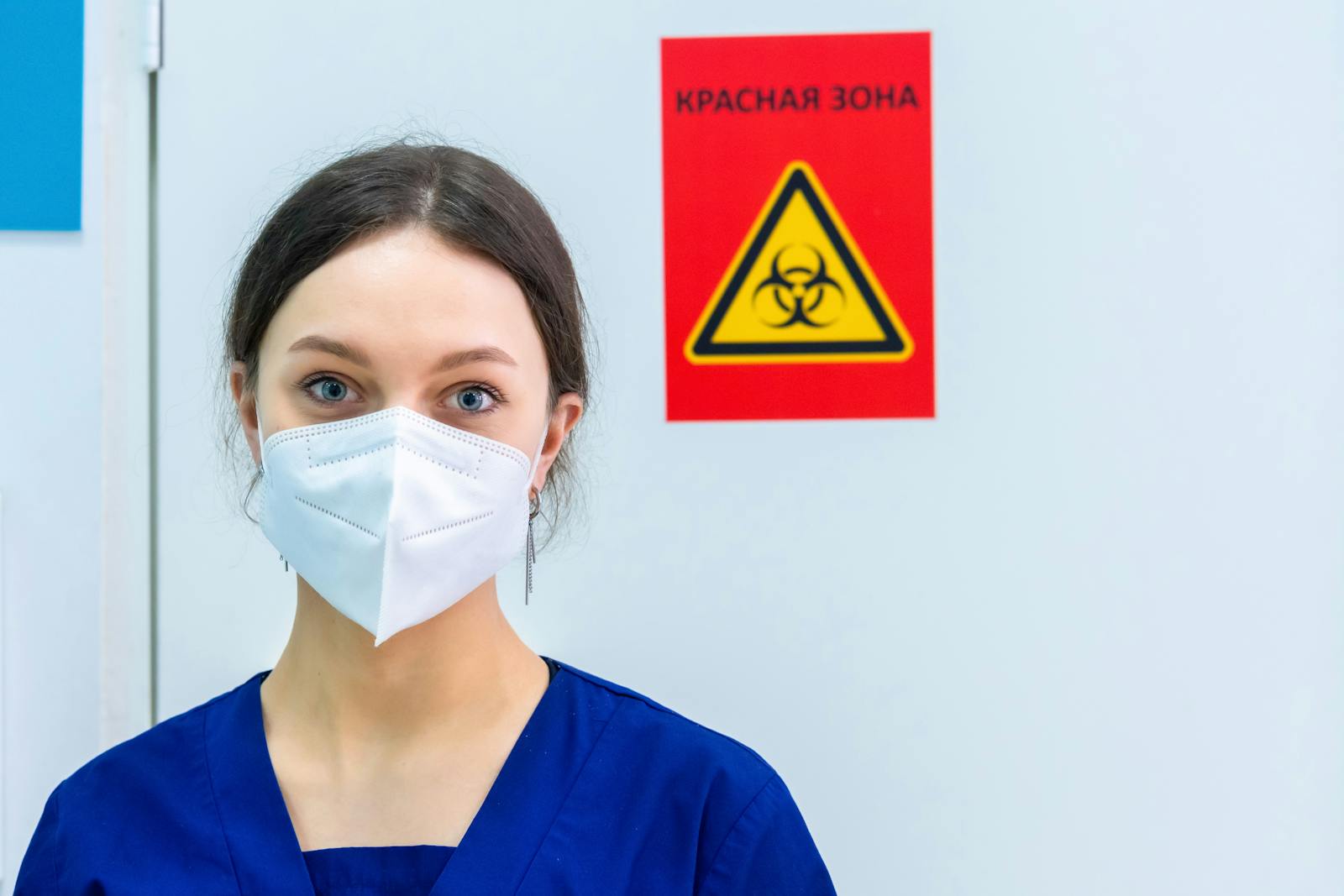
It was an uncomfortable exchange when one coworker casually admitted to drinking on her lunch break. Caught off guard, the other worker didn’t quite know how to react. In a profession where attention to detail is crucial, the revelation stirred up a mix of concern and uncertainty.
During their conversation, the coworker explained that she had simply grabbed a leftover drink from the night before, one that happened to be sitting in her car. While she claimed it wasn’t a regular occurrence, the fact that she felt comfortable sharing this detail raised eyebrows. The nature of their work in healthcare demands a level of reliability that drinking during breaks might jeopardize.
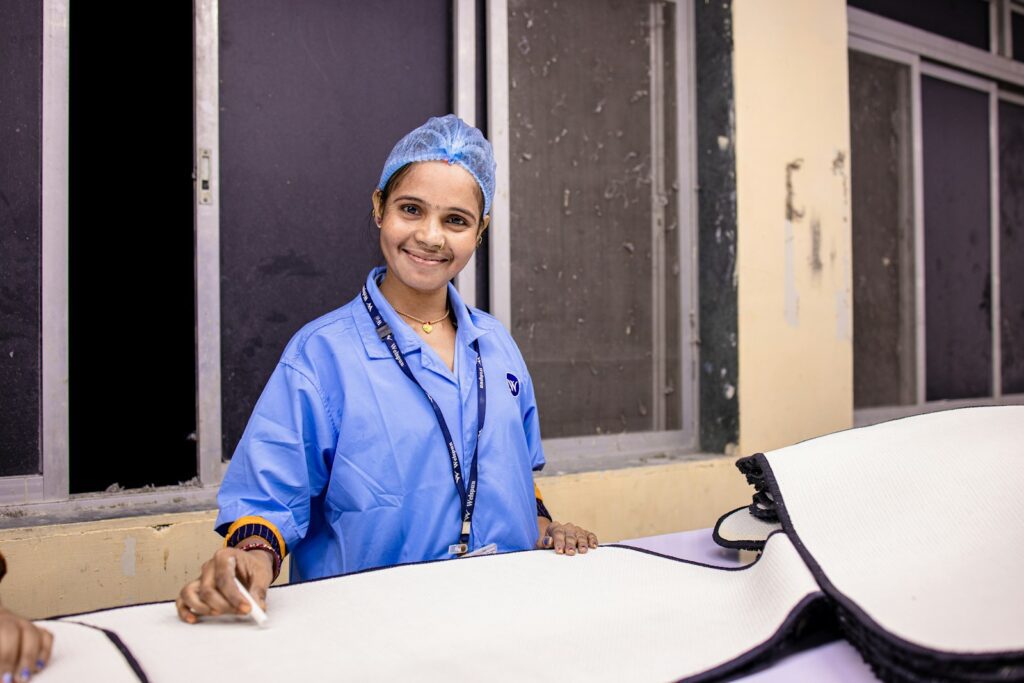
Just the day before, this same coworker had made a mistake that left the other worker questioning how many errors she had quietly fixed in the past. The weight of that realization led her to approach their supervisor, who reassured her that he would monitor the situation but needed more concrete proof to act. It was a troubling situation, especially since a previous evaluation had brought up suspicions about this coworker’s drinking habits. The stakes felt high, and the potential consequences of inaction loomed large.
As she sat with the knowledge of what her coworker had done, anxiety set in. Thoughts about the possibility of dangerous mistakes and workplace repercussions haunted her. It wasn’t just a matter of ethics; it was about safety and the well-being of patients. All this pressure led her to question whether reporting the coworker was the right move, or if it would simply open a can of worms that might come back to bite her.
People had different reactions to this dilemma when she shared it on Reddit. Some supported her decision, pointing out that safety should always come first, especially in a healthcare environment. They argued that she had a responsibility to report behavior that could put patients at risk. Others took a different view, suggesting that perhaps the coworker deserved a second chance, particularly given her personal struggles. They felt reporting her might not be the best way to handle the situation and that it could lead to unnecessary conflict.
Many seemed to recognize the tension between maintaining professional standards and dealing with personal issues. Some commenters pointed out that navigating workplace relationships is tricky, especially when personal battles are involved. The coworker’s admission, coupled with her recent drinking habits, left room for doubt about her ability to perform her job effectively.
In a field that requires precision, there was a palpable sense of unease regarding the impact of one person’s choices. Others stressed the need for boundaries—emphasizing that while compassion is essential, it shouldn’t come at the expense of everyone else’s safety. Still, the fear of backlash from the coworker only made the situation more complex. Many wondered if retaliation was a real concern or if it was something that could be managed with careful navigation.
Ultimately, this incident has left the worker feeling on edge, replaying every interaction and wondering if she should have taken a different approach. Was she wrong to file a report? Did the right to speak up conflict with her desire to be a good teammate? With lingering questions about how this might all unfold, the discomfort of the situation hung in the air.
More from Decluttering Mom: