Most of us have thrown away a bag of things and waited for someone in the house to complain. For @heychrissytee, a working mom of two who also runs a business, the complaint never came. She says she cleared out 500 items and nobody in her family noticed, so she has now set a new goal: a thousand.
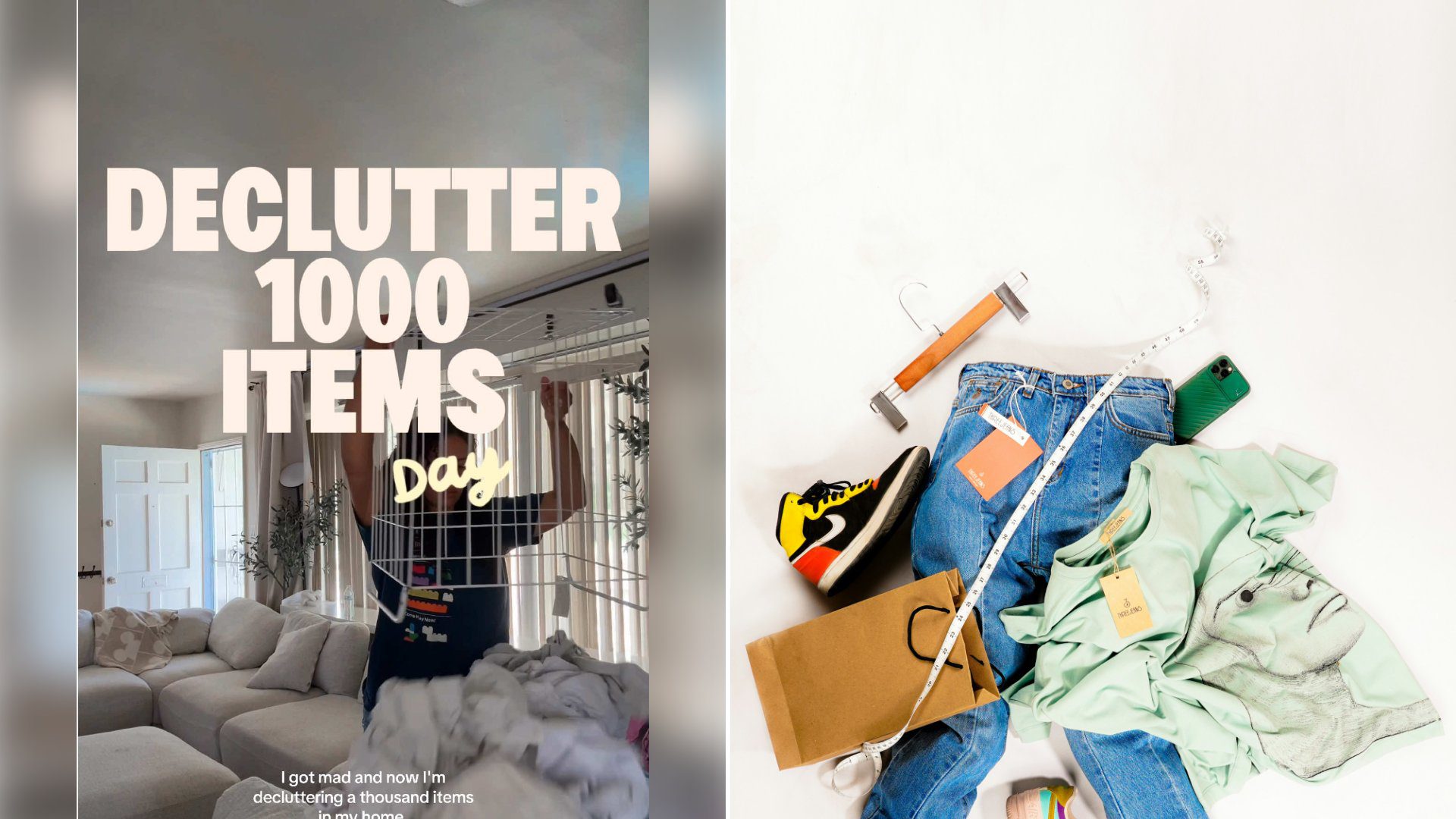
@heychrissytee
The goal she announced
She opens by saying she got mad, and that is why she is decluttering a thousand items in her home. In her words, she does not think her family understands the mental and emotional toll of managing this many things. She adds that one day they are going to come home to a completely empty house.
Her conclusion is simple and firm. As a family, she says, they just do not get to have things if they cannot properly manage them. It is a rule she is applying to herself and everyone under her roof.
The surprise of the first five hundred
The part that stands out is what happened after the first 500 items left the house. She says nobody noticed, and that her family likely could not name a single thing she got rid of. To her, that proves how much extra stuff had been sitting around unused. If half a thousand things can vanish without a single question, she reasons, then she can get rid of far more.
It is a handy test for anyone who is unsure about letting go. If nobody misses an item, it probably was not doing much work in the house.
Hours of cleaning on her days off
She also describes where her time goes. In her two days off, she says, she spends hours cleaning every morning, and she already has someone who comes in to help weekly. To her, it makes no sense to spend that much time on upkeep.
Laundry is one of the main culprits. She says she breaks a sweat grabbing items by the armful, and she adds that the amount of clothes the family owns should not swallow an entire sofa. Anyone who has stared at a laundry pile slowly take over furniture will recognize the picture.
Time as her most valuable asset
She closes by describing herself as a working mom who is fully present with her two kids and also runs a business. Her line is that time is her most valuable asset. She says she will keep getting rid of things until the household can handle what is left.
She also gives her challenge a rule that is easy to remember: if you cannot manage it, you do not get to have it. This is her own approach, and every family is different, but the idea may well resonate with a lot of busy parents.
Why fewer things means less work
The logic behind her plan is easy to follow. Every object in a home has to be stored, moved, cleaned or sorted at some point. When a family owns more than it can handle, the extra work lands somewhere, and it often lands on one person. Reducing the number of items shrinks that workload in a way that no cleaning schedule can match.
Laundry is a good example. More clothes means more washing, more folding and more places to put things away. A smaller wardrobe for each person usually means fewer loads, a shorter pile and less sorting. The same holds for toys, dishes, paper and kitchen gadgets.
How to start a big declutter challenge
A thousand items sounds enormous, but it is more doable than it seems when you count small things as items. Here are a few ways to begin.
Count everything. Expired pantry food, mismatched socks, dried out pens, old mail and single earrings all count. Small items add up quickly and clear space without much emotion.
Work one zone at a time. Choose a closet, a drawer or a single shelf. Finish it before you move on, so you can see the progress.
Use three bins. Label them keep, donate and trash. If you are unsure about an item, set a short deadline to decide, then move it along.
Keep a running tally. A note on your phone or a tally on the fridge makes the number real and helps you stay motivated.
Take photos. A before and after picture can show how much calmer a space looks and reminds you why you started.
Getting the family on board
One big takeaway from her story is that decluttering often falls to one person. If you are the one doing most of the household management, it can help to share the load in a visible way. Ask each person to choose a certain number of items from their own space. Give kids a donation box for toys they have outgrown. Talk about what the family really uses so everyone shares the same goal.
It also helps to set a house rule about what comes in. A one in, one out habit keeps a freshly cleared home from filling up again. Before buying something new, ask where it will live and who will take care of it.
Protecting your time and energy
She briefly mentions the mental and emotional toll of managing so many things, and that is worth taking seriously. Clutter can make a home feel heavier, and the constant upkeep can wear a person down. A simpler home will not solve everything, but many people find that fewer belongings means fewer small decisions each day.
If the load ever feels like too much, it is fine to ask for help, whether that means family, a friend, a professional organizer or a cleaning service. She already has weekly help, and she still concluded that the real answer was owning less.
The bottom line
This working mom made a choice that many parents quietly think about. Instead of cleaning harder, she is owning less. Whether or not you aim for a thousand items, you can try her test at home. Get rid of a few things this week, then see whether anyone notices. You might be surprised at how little is missed, and how much time you get back.