If you’ve noticed your car insurance bill going up over the past few years, you’re not imagining things. Insurance rates have been steadily climbing since 2020, impacting drivers across the country.
On average, car insurance rates have increased by about 30% to 50% since 2020, depending on where you live and other factors. This rise means many people are paying significantly more than they did just a few years ago.
Rising repair costs for vehicles
You’ve probably noticed that fixing your car isn’t getting any cheaper. Replacement parts are more expensive now, and you often need more parts for each repair than before.
Labor costs have gone up too, with hourly rates rising over 7% each year in 2022 and 2023. All these factors push repair bills higher, which then affects what you pay for insurance.
Also, newer cars come with advanced tech like sensors and cameras that cost more to fix or replace after an accident. So, your insurance isn’t just covering standard repairs anymore—it’s handling pricier fixes too.
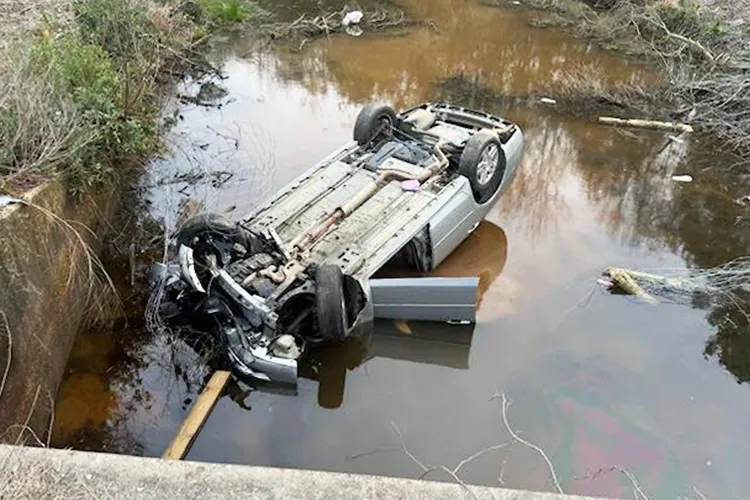
Increased frequency of car accidents
You might have noticed more crashes on the road lately. This rise in accidents pushes insurance companies to raise their rates because they have to pay out more claims.
When accidents happen more often, insurers face higher costs that they pass on to you. Even if you haven’t been in a crash, your premiums can still go up due to overall trends.
Increased distracted driving and busier roads are some reasons behind the higher accident rates. So, more accidents mean your insurance bill is likely to be higher than it was a few years ago.
More expensive auto parts and labor
You’ve probably noticed that fixing your car costs more than before. Auto parts have become pricier, partly because cars now have more advanced technology that’s expensive to replace.
Labor costs have also gone up. Mechanics are paid more, and shops face higher expenses, so your repair bills reflect those increases.
All these factors add up, making insurance companies raise your premiums. When repairs cost more, your insurance has to cover those extra expenses.
Higher medical costs linked to accidents
When you get into an accident, medical bills often make up a big part of the claim. These expenses have been rising faster than general inflation for years. This means your car insurance rates can go up because insurers have to cover more costly injury claims.
Hospitals and healthcare providers charge more now, which drives up the cost insurers pay out after accidents. Since medical costs are a major factor in liability claims, as these costs rise, you can expect higher premiums. Essentially, the more healthcare expenses climb, the more it can affect what you pay for insurance.
Inflation outpacing premium adjustments
Since 2020, inflation has been running faster than how much insurance premiums have been adjusted. You might notice repair costs, medical bills, and even vehicle prices rising quicker than your premiums change.
Insurance companies usually review rates once a year, but sometimes they don’t keep up with the actual cost increases. This means your premiums might not immediately reflect the full impact of inflation, even though insurance costs are steadily climbing.
So, while your monthly payment might seem stable at times, insurers are still facing higher expenses that could lead to future rate hikes. It’s a slow game of catching up with inflation for your insurance company.
Insurance company investment losses
You might not realize that insurance firms also act like investment companies. They take the premiums they collect and invest in bonds and other safer assets to make extra money.
But rising interest rates have been tricky. Some insurers faced losses on fixed income investments, which means their investment income took a hit.
This squeeze made it harder for companies to stay profitable without hiking your insurance rates. So, part of the reason you’ve seen rate jumps is linked to these investment challenges.
More claims filed per policyholder
You’ve probably noticed more people are filing insurance claims these days. Since 2020, the frequency of claims per policyholder has gone up, which pushes rates higher for everyone.
When more claims get filed, insurers face bigger payouts. They end up raising premiums to cover those costs, affecting your renewal price.
Even minor incidents can lead to claims, and that adds up quickly. So, if you file often, expect your insurance to become more expensive over time.
Expanded coverage options raising base rates
You might have noticed your insurance premiums creeping up even if your coverage hasn’t changed much. One reason is that insurers are offering more comprehensive plans, which can drive up the base rates.
Expanded coverage means paying for more benefits, which raises costs for everyone. This has been a trend since 2020, adding to the price increase alongside things like inflation and medical costs.
So, even if you didn’t add anything new to your policy, your premiums might still be higher because the baseline coverage level itself is getting pricier.
Geographic differences impacting rates
Where you live plays a big role in how much your insurance costs go up. Places hit hard by severe weather, like Florida, often see bigger jumps. That’s partly because insurers face higher costs for things like reinsurance there.
If you’re in states less prone to extreme storms, your rate hikes may be smaller. Still, rising building and auto part costs impact premiums nationwide. So even if your area feels safer, your rates can still creep up.
Impact of filing recent claims
If you’ve filed a claim recently, you might have noticed your insurance rates creeping up. Insurers often see you as a higher risk after a claim, especially if you were at fault.
Not all claims lead to big increases, though. The type of claim and how often you file can influence how much your premiums go up.
Even if you weren’t at fault, some insurers may still raise your rates slightly. So, it’s worth thinking about whether filing a claim is worth the potential cost increase.