
Amazon return pallets promise a kind of industrial-scale treasure hunt, where thousands of dollars in “estimated retail value” are shrink-wrapped into a single gamble. The headline number is seductive: one buyer recently unpacked a pallet advertised at $14,925, with an estimated value of over $14,000, only to find a chaotic mix of working gadgets, half-broken gear, and outright trash. The real story is less about a single lucky score and more about how this liquidation ecosystem quietly shifts risk, profit, and waste from a tech giant onto whoever is willing to roll the dice.
Look closely at what is actually inside that $14,925 pallet and a pattern emerges. The loads are heavy on electronics and other high-margin categories, which can make the math work for specialized resellers but leave casual buyers drowning in returns they can neither fix nor flip. The result is a lottery that looks glamorous on camera yet raises uncomfortable questions about who really wins, who eats the losses, and what happens to the mountain of leftovers that never make it back into anyone’s cart.
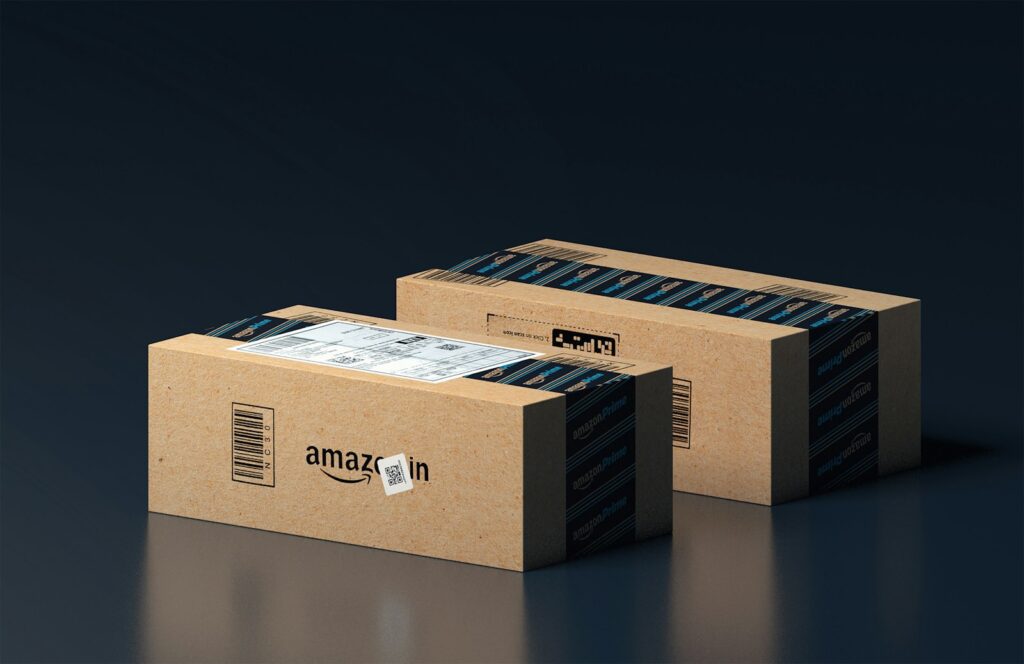
Inside the $14,925 pallet: hype, hardware, and hard limits
On video, the $14,925 pallet looks like a jackpot. The buyer explains that the load actually arrived split into two separate shipments, both tied to an estimated retail value of over $14,000, stacked with boxes of consumer tech and home gear. In one clip, the pallet is framed as a kind of mega-mystery box, with the creator teasing the total before slicing through the wrap and pulling out item after item, from recognizable branded electronics to obscure accessories that would stump most casual shoppers. The spectacle is the point: the audience is meant to feel the rush of seeing that five-figure number slowly converted into physical stuff.
Strip away the jump cuts and reaction shots, though, and the contents look less like a curated haul and more like a warehouse triage line. Viewers see a jumble of devices in varying condition, some apparently new, others clearly used or damaged, and plenty that will require testing before anyone can safely resell them. One version of the clip, shared through a viral clip, underlines how quickly that impressive sticker price turns into a sorting headache. Another upload of the same unboxing, titled “I Bought A $14925 Amazon Return Pallet…”, shows the creator repeating that the pallet is “worth over $14,000,” a figure tied directly to $14,000 in estimated retail value, not guaranteed resale cash.
Why electronics dominate the high-dollar gambles
That gap between “estimated retail” and real-world revenue is where electronics quietly take over the game. In another unboxing, a creator focuses on an Amazon electronics return pallet advertised as being worth almost $13,000, which they say they bought for a little over $3,000. The pitch is simple: if even a fraction of those devices work, the spread between roughly $13,000 in theoretical value and about $3,000 in cost looks like pure arbitrage. For a viewer, it feels like watching someone buy a used car for the price of a scooter and drive away with a trunk full of spare parts.
But electronics are not evenly accessible. Testing, repairing, and safely reselling a stack of laptops, monitors, and audio gear requires tools, time, and know-how that most casual buyers do not have. The creator in that electronics-focused video leans into that expertise, treating each device as a potential flip rather than a mystery. A second upload of the same haul, labeled “I Bought A $13252 Amazon Electronics Return Pallet,” repeats that the pallet is “worth almost $13,000” and cost “a little bit over $3,000,” figures that highlight how the economics skew toward buyers who can squeeze value out of high-margin tech. For everyone else, those same pallets look less like opportunity and more like a pile of expensive question marks.
The brutal reality check: cheapest vs. most expensive
If the $14,925 pallet is the glossy movie trailer, the “cheapest vs. most expensive” format is the behind-the-scenes blooper reel. In one widely shared comparison, a creator pits a bargain-basement Amazon return pallet against a top-tier load, only to admit that the outcome is “brutal.” After hours of digging, they end up with two piles: one of items that might be resold and another of things that are clearly destined for the trash or a donation bin. The visual is stark, a reminder that even the priciest pallets can hide a depressing amount of junk.
The video, posted in Oct, shows how little correlation there can be between the headline value and the actual condition of what arrives. Some items are missing parts, others are clearly used, and a chunk are simply unsellable. That “brutal” verdict undercuts a common assumption in pallet culture: that paying more automatically buys better quality. Instead, it suggests that buyers are essentially underwriting Amazon’s returns problem, absorbing the uncertainty that the platform no longer wants to manage.
Everyday buyers, oddball items, and the lottery effect
Not every pallet is a wall of laptops and gaming monitors. One couple who bought an Amazon return pallet reported getting more than $5,000 worth of assorted goods, including six wall clocks that retail for $32.71 each and two pairs of rollerblades, with one blue pair priced at $64.12. Their haul also included rechargeable keyboards and mice, plus a grab bag of household items that look more like a chaotic department store aisle than a tech warehouse. For them, the thrill came from discovering recognizable, easy-to-resell products mixed in with the weirdness.
That same mix shows up in a short clip where two people crack open a full pallet of returned products from Amazon and immediately stumble on something that “looks like something for adults,” alongside more mundane items. The creators in that short unboxing joke their way through the surprises, but the underlying reality is that they are sorting through strangers’ shopping regrets at scale. A separate version of the same story, framed as “I bought an Amazon return pallet and got over $5K of stuff,” repeats the exact prices of the $32.71 clocks and $64.12 rollerblades, underscoring how buyers cling to specific, verifiable price tags to justify the gamble. It is the same psychology as a lottery ticket: the mind fixates on the winning numbers, not the long odds.
Who really profits, and what gets left behind
Across these videos, one thing is conspicuously absent: a clear explanation of how Amazon itself sorts, grades, and bundles these returns before they ever hit the auction block. Unverified based on available sources. What is visible is the outcome. High-value electronics and branded goods are concentrated into pallets that attract creators and semi-professional resellers, while the platform offloads the messy work of testing, refurbishing, and disposing of duds. In the $14,925 unboxing, the creator repeatedly emphasizes that the pallet is “worth over $14,000,” a line echoed in the direct upload of the same haul on YouTube, but there is no guarantee that the final resale tally will come close.
The electronics-focused pallet follows the same script. The buyer in the $13,000 haul, whose video is also posted directly on YouTube, stresses that they paid a little over $3,000 for a load advertised as being worth almost $13,000. This suggests a system where Amazon and its liquidation partners monetize returns twice, first from the original sale and again from the pallet, while pushing the risk of defects, missing parts, and disposal onto downstream buyers. The winners in that setup are the specialized resellers who can repair and flip electronics at scale. Casual buyers, lured in by viral clips and five-figure value tags, are more likely to end up with a garage full of half-working gadgets and a spreadsheet that never quite adds up.
More from Decluttering Mom: