Costco’s meat section has a near cult following, but one Kirkland cut keeps getting dragged in shopper reviews: the beef back ribs. On paper they look like a budget-friendly way to feed a crowd, yet regulars say the value falls apart once the package is open and the cooking is done. Between the way these ribs are butchered and how they actually eat on the plate, many shoppers argue they are the rare Kirkland item that is better left in the case.
The complaints are not just about picky palates. Shoppers are pointing to specific problems, from how little meat clings to the bone to how much time and effort it takes to coax out decent flavor. When fans of Costco’s meat department are telling others to skip a Kirkland product, it is worth looking closely at what is going wrong and whether these ribs can be salvaged at all.
Why Beef Back Ribs Start At A Disadvantage
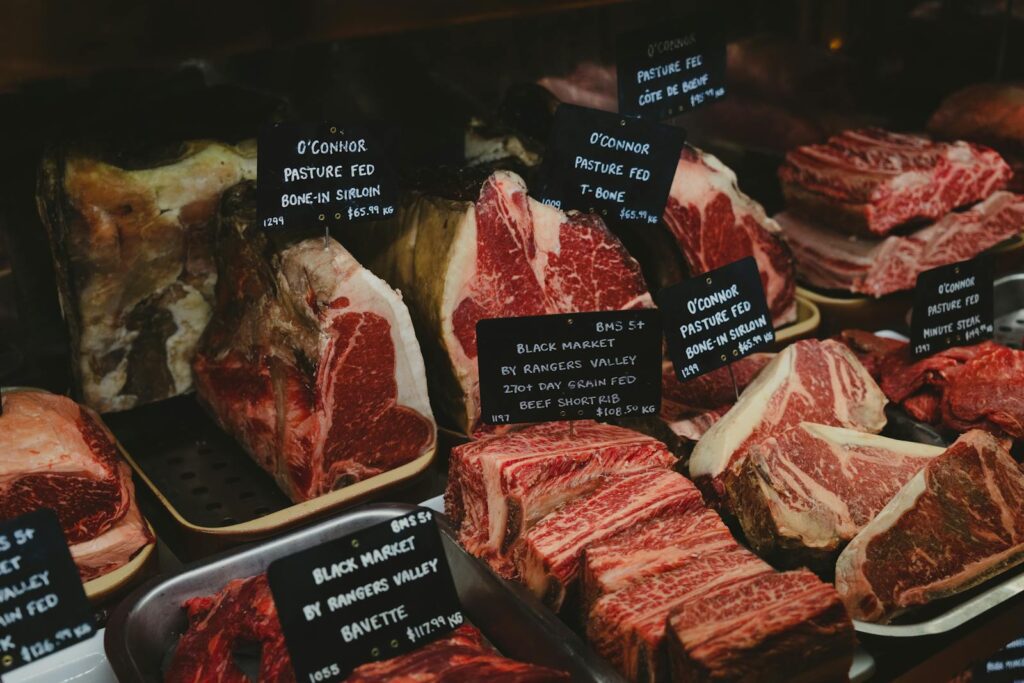
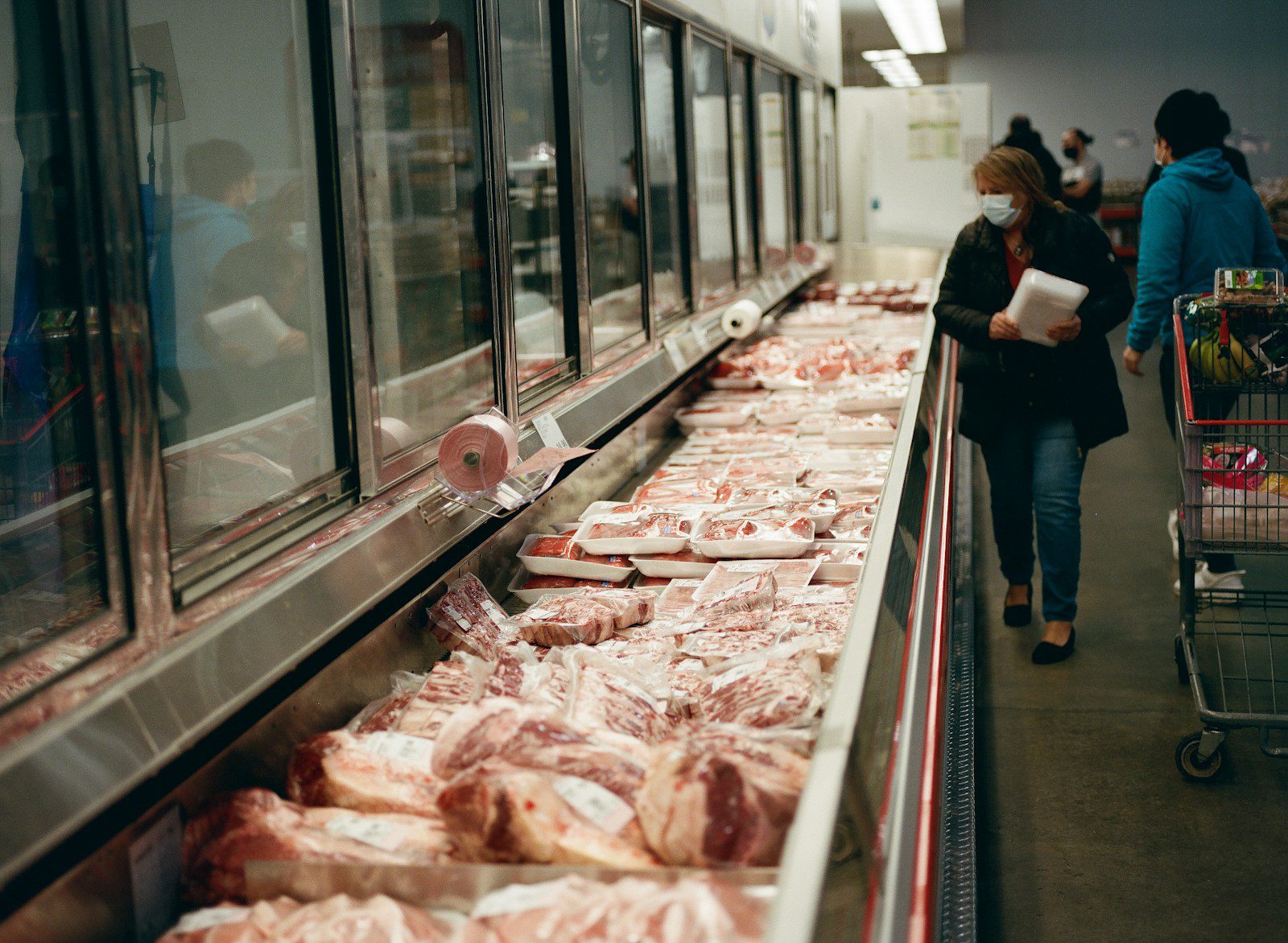
The core issue with Kirkland Signature Beef Back Ribs is baked into the cut itself. Beef back ribs are what is left after a butcher removes a prime rib roast from the bones, which means most of the premium meat has already been carved away before the package ever hits Costco’s refrigerated cases. As a result, shoppers who expect thick, juicy rib slabs are often greeted by long bones with thin streaks of meat and plenty of exposed surface that looks more like scraps than a centerpiece cut.
That structure problem shows up again and again in shopper feedback, where customers describe racks that look impressive in size but cook down to very little edible meat. One customer who went shopping for ribs at Costco earlier in the year shared on Reddit that the beef back ribs were so picked over by the time they reached the tray that they felt more like leftovers from the butcher block than a main cut. For shoppers used to meaty pork ribs or beef short ribs, that kind of first impression is a tough hurdle to clear.
“Where’s The Meat?”: What Shoppers Actually See In The Tray
Once shoppers get past the label and look closely at the Kirkland Signature Beef Back Ribs, the visual tells most of the story. The bones tend to be long and curved, with wide gaps where the prime rib was removed and only narrow ribbons of meat left clinging to the top. Reports describe packages where the ratio of bone to meat feels wildly out of balance, leaving customers wondering if they are paying for weight that will never make it to the dinner plate.
Food writers who have broken down the cut explain that beef back ribs are literally cut from the section where the ribeye is trimmed away, which is why so many shoppers say “where’s the meat?” when they open the package. That structural reality is highlighted in breakdowns of beef back ribs that show how much of the muscle has already been harvested for more expensive steaks and roasts. For Costco fans who are used to generous marbling and thick cuts in the meat department, the sight of mostly bare bone can feel like a bait and switch, even if the label is technically accurate.
Value Problems: Paying For Bone, Fat, And Frustration
Costco has built its reputation on bulk value, which is exactly why the pricing on Kirkland beef back ribs rubs some shoppers the wrong way. At first glance, the per-pound cost can look attractive compared with other beef cuts, especially when stacked next to premium steaks or roasts. The frustration sets in when home cooks realize that a significant portion of that weight is bone and thick seams of fat, not the tender meat they thought they were getting for their money.
Customers who have compared the ribs to other options in the same case say the math simply does not work in the ribs’ favor. One shopper described the ribs as a poor “bite for your buck,” arguing that the same budget could go toward ground beef, pork ribs, or even marked-down steaks that deliver far more edible yield. That sentiment shows up in coverage of the beef product you, where customers call out the disappointing return on investment once the ribs are trimmed and cooked. For a warehouse club that usually nails the value equation, this particular Kirkland item stands out as a rare miss.
Texture, Cooking Time, And The Skill Gap
Even for shoppers who accept that beef back ribs will be leaner, the cooking experience can be another sticking point. Because the meat is thin and wrapped around bone and connective tissue, it can be tricky to hit that sweet spot where everything turns tender without drying out. Home cooks report that the ribs often require long, low-and-slow cooking methods to break down the collagen, which means hours of oven time or a dedicated smoker session for a result that still may not rival other cuts.
Some experienced grillers argue that the cut can shine when handled correctly, especially when smoked for several hours with plenty of moisture and seasoning. That more optimistic view shows up in explanations of why some Costco shoppers are, where people with deeper beef knowledge acknowledge that the ribs can be “great when smoked” but still caution that they are not beginner friendly. For the average Costco member who wants a relatively straightforward weeknight dinner, the combination of long cook times and fussy texture makes these ribs feel like more trouble than they are worth.
Why Loyal Costco Fans Still Say “Skip It”
What makes the backlash to Kirkland beef back ribs so striking is that it is coming from shoppers who otherwise praise Costco’s meat department. Regulars who rave about the warehouse’s brisket, pork ribs, and steaks are the same people warning others away from this particular cut. Their argument is not that Costco is cutting corners across the board, but that beef back ribs are a structural mismatch for what most members expect from a Kirkland product: generous portions, forgiving cooking, and clear value.
That disconnect shows up in shopper chatter and in product listings that highlight the ribs as a bulk-friendly Kirkland product without fully preparing buyers for how little meat they will actually get. Earlier this year, Jan and other shoppers who follow Costco closely pointed out that the cut itself is the problem, not just the way the warehouse trims or packages it, and that is echoed in coverage of why some customers. When even devoted fans are telling friends to walk past a Kirkland item, it is a sign that the cut simply does not live up to the rest of the cart.
More from Decluttering Mom: