
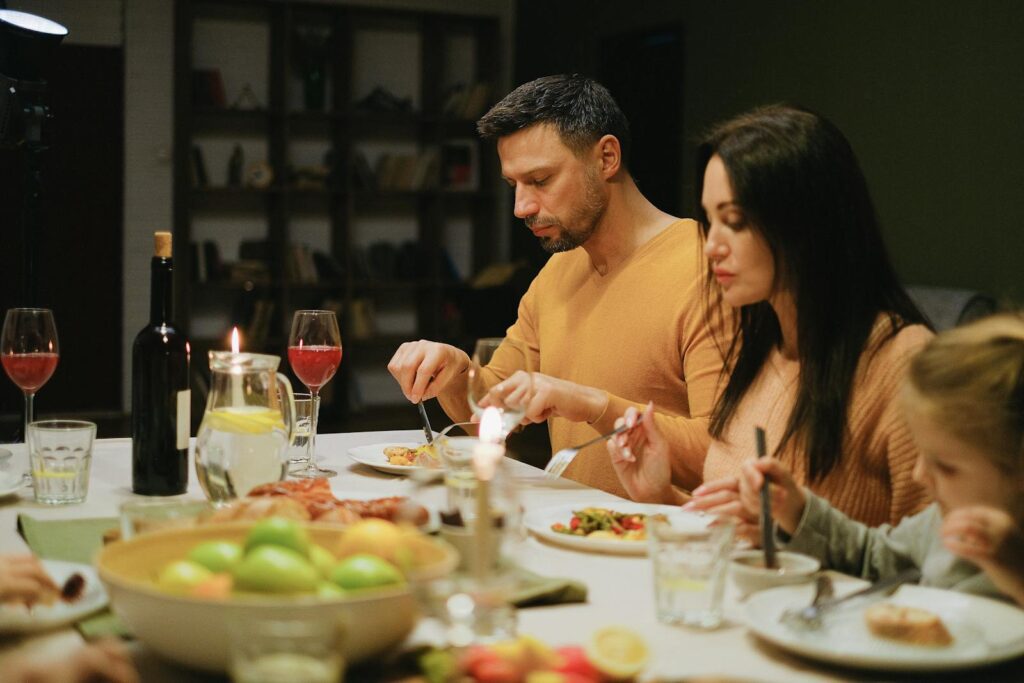
During what was supposed to be a simple dinner, one mom found herself in an uncomfortable exchange with her husband. Dinner had arrived, but to her surprise, his meal included onions—an ingredient he didn’t want. His reaction? He yelled. To him, it was just raised voices in general; to her, it stirred up a wave of stress that brought back painful memories from childhood. She was left unsettled, unsure of where to go from there.
Throughout their relationship, she had explained that yelling triggers her, recalling a past filled with chaos where loud voices meant something dangerous. Yet her husband seemed unable to grasp the impact of his tone, insisting that her reactions were attempts to control his emotions. This back-and-forth left her feeling like her feelings were dismissed, treated as minor in comparison to his frustrations. All she wanted was to express how his outbursts affected her.
In the midst of this conflict, she was trying to concentrate on her writing. Delving into her novel had become a source of joy, a personal escape she cherished. But when sharing her passion felt like an uphill battle, it became evident that their understanding of stress and support was misaligned. During the discussion, he downplayed her creative outlet, likening it to a trivial solo activity while justifying his own right to express anger over something as minor as dinner.
It raised a question about mutual respect: how can one partner genuinely support the endeavors of another when there seems to be such a disconnect? She felt compelled to remember every detail about his hobbies, like a Dungeons & Dragons character from years past, while her own interests were met with indifference. This imbalance stirred frustration and confusion in her, wondering if she needed to demonstrate her passion in a more visible way to be acknowledged.
People had very different reactions to her story. Some felt she was justified in her feelings, pointing out that if her husband truly cared, he would take her past into consideration. Others suggested that his tendency to minimize her experiences reflected deeper incompatibilities in their relationship. Many felt that communication should start with a willingness to listen, instead of brushing off each other’s passions as unimportant.
Some commenters highlighted the frustration of being in a relationship where one partner feels constantly belittled. They noted that being supportive means recognizing and validating each other’s feelings, regardless of the activity’s nature. This conversation seemed to open up a broader dialogue about how partners can sometimes overlook the simple act of understanding, especially when it comes to past traumas.
Yet, what happens when one partner feels too suppressed to express her needs? Some believed that the mom should reconsider her relationship dynamics, while others noted the importance of dialogue. There were calls for her to seek professional help and understand if her husband was willing to change or if he would continue to deflect responsibility.
The discussion quickly became a reflection of many people’s experiences in relationships where emotional needs clash. It posed the question: how can love exist alongside such differing perspectives on anger and support? How can one person’s stress be understood as valid while another’s is reduced to mere annoyance? The mom’s challenge seemed to resonate with many who have found themselves navigating the complex terrain of emotional needs and respect in a partnership.
In the end, the tension around understanding and validating emotions continues to linger. Not every disagreement can be neatly resolved, leaving many wondering how to approach conversations that feel so heavy yet so necessary. One mom’s experience raised a compelling question that many couples might find themselves wrestling with: when does caring for each other’s feelings become a point of contention instead of comfort?
More from Decluttering Mom: