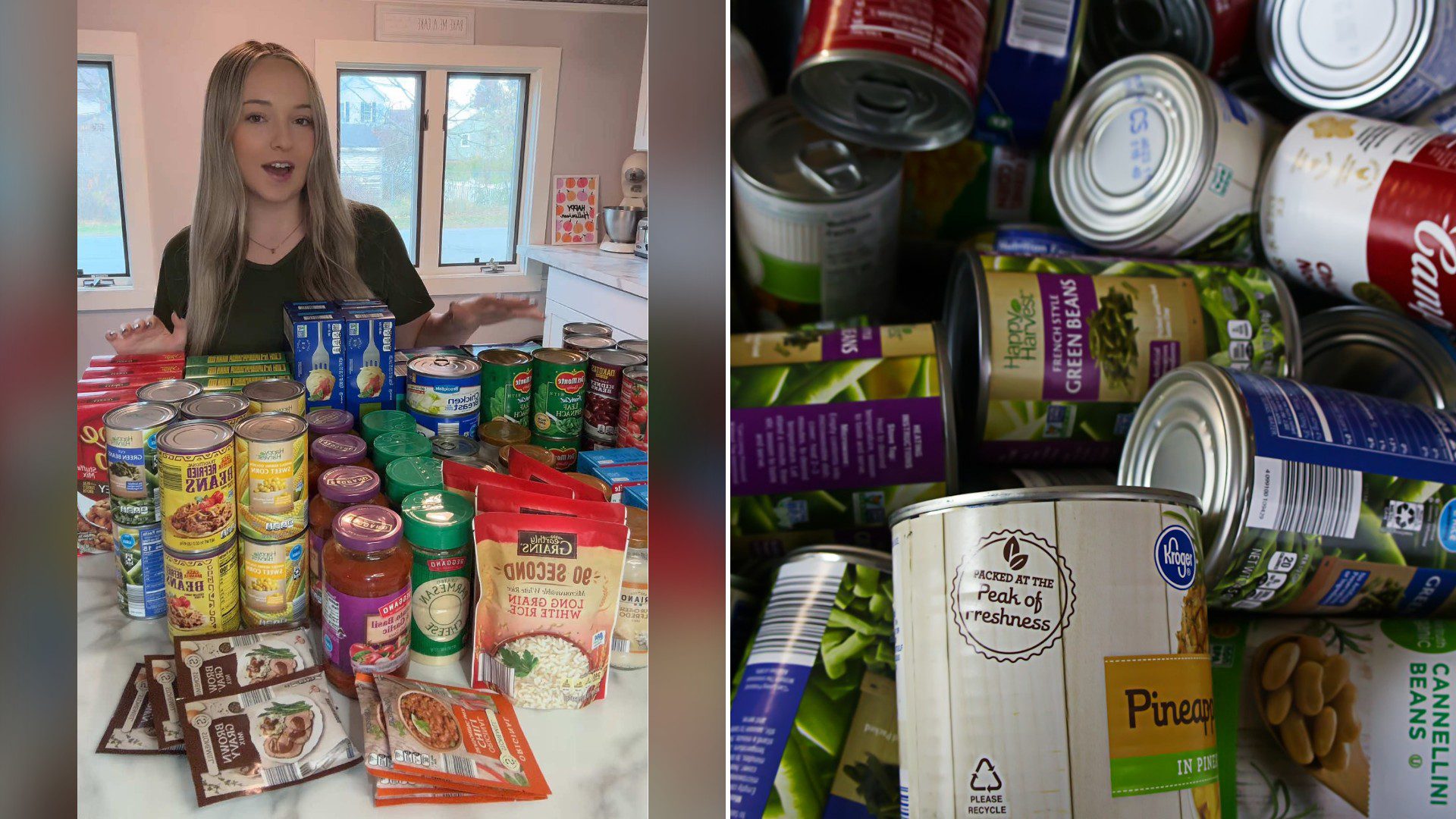
Giving back does not always require a big budget or a lot of free time. Sometimes it starts with a shopping cart, a few shelves of canned goods and a good idea borrowed from someone else. That is exactly how @reviskitchenn approached a project for a local food pantry, putting together twenty complete meal kits using mostly items from Aldi.
@reviskitchenn
The creator says the idea was inspired by Dollar Tree Dinners, and the caption thanks that account for the amazing idea. The post explains each kit one at a time, and the plan is simple enough that anyone could copy it with a few hours and a modest grocery budget.
The Five Kits, One By One
The first kit is a chicken Alfredo with spinach. It includes a box of pasta, a can of spinach, a jar of Alfredo sauce and a can of chicken breast, plus little recipe cards. The creator made four of these.
Next comes a taco kit. It has a twelve pack of taco shells, rice, refried beans and a can of corn. Again, four kits were made.
The third kit is spaghetti, built from a box of spaghetti, pasta sauce, a shaker of parmesan and a can of mushrooms. After that comes a chili kit with kidney beans, black beans, diced tomatoes, a cornbread muffin mix and a chili seasoning packet.
The last one is a holiday turkey stuffing bowl, made of a box of turkey stuffing mix, a can of green beans and a gravy packet. In total, the creator says, the project produced twenty meal kits, each with about four to six servings. Once everything was packed, the next step was to drop the kits off at the pantry.
Why Meal Kits Work So Well For Pantries
Food pantries often receive plenty of individual cans and boxes, but a family walking out with a bag of unrelated items may not know how to turn them into dinner. A kit solves that problem. Everything needed for a full meal is already together, so the recipient can go home and cook without a second trip to the store.
The recipe cards are a thoughtful touch as well. A short card with the steps, the water amounts and the cooking times removes guesswork, particularly for someone who may be new to cooking or who has limited kitchen tools. Keep the wording simple and the print large.
The choice of meals matters too. Each of the five kits uses shelf stable ingredients, so none of them need a refrigerator before the family opens the bag. Pasta, rice, canned vegetables, canned beans and boxed mixes can sit in a cupboard for months, which makes them ideal for a pantry setting.
How To Build Your Own Kits On A Budget
If this story makes you want to try something similar, here are some general tips that can help.
Start by calling the pantry. Ask what they need most, whether they accept boxed and canned items, and when their drop off hours are. Some pantries have rules about glass jars or expiration dates, and a quick call can save you from a wasted trip.
Pick a small number of recipes and repeat them. Buying in multiples is cheaper and faster, and it makes packing easy. The creator made four kits of some recipes, which is a good pattern to follow. Write the shopping list by recipe, then count the items before you leave the store.
Compare store brands. Many grocery chains sell private label pasta, sauce, canned vegetables and beans at lower prices than name brands, and the quality is often very close. Keep an eye out for weekly specials and stock up on the items that are marked down.
Check dates. Look at every can and box before packing, and choose items with a long shelf life. A kit that will sit on a pantry shelf should not be close to its expiration date.
Include a protein and a vegetable whenever possible. Canned chicken, beans and canned vegetables help round out a meal and give the cook more options. The creator included a can of chicken in the Alfredo kit and two kinds of beans in the chili kit.
Pack everything in a sturdy bag or box. Heavy cans can tear thin bags, and a family may need to carry the kit on foot or on a bus. A reusable bag is a good option because the family can keep it afterward.
Getting Kids And Friends Involved
A project like this is also a nice way to bring children into the idea of helping neighbors. Kids can read the shopping list aloud, find the items on the shelf, count out the cans and slip a recipe card into each bag. Even young children can take part, and it teaches them that a few dollars and a bit of planning can put dinner on someone else’s table.
You can also invite friends, a neighbor or coworkers to join. One person might cover the pasta kits, another the taco kits, and a third could print the cards. Splitting the cost makes it easier on everyone and lets you produce even more meals.
A Small Plan With A Big Reach
What stands out about the post from @reviskitchenn is how clear and practical the plan is. There are five kit types, four to six servings in each, twenty kits in all, and a list of ingredients that most shoppers could find in one trip. The idea is flexible, too. You could swap in a different pasta shape, use a different canned vegetable or adjust the recipes for the holidays.
As food costs stay high for many families, simple community projects like this can make a real difference. If you have been looking for a way to help, a handful of grocery staples and a printed recipe card may be a good place to begin.