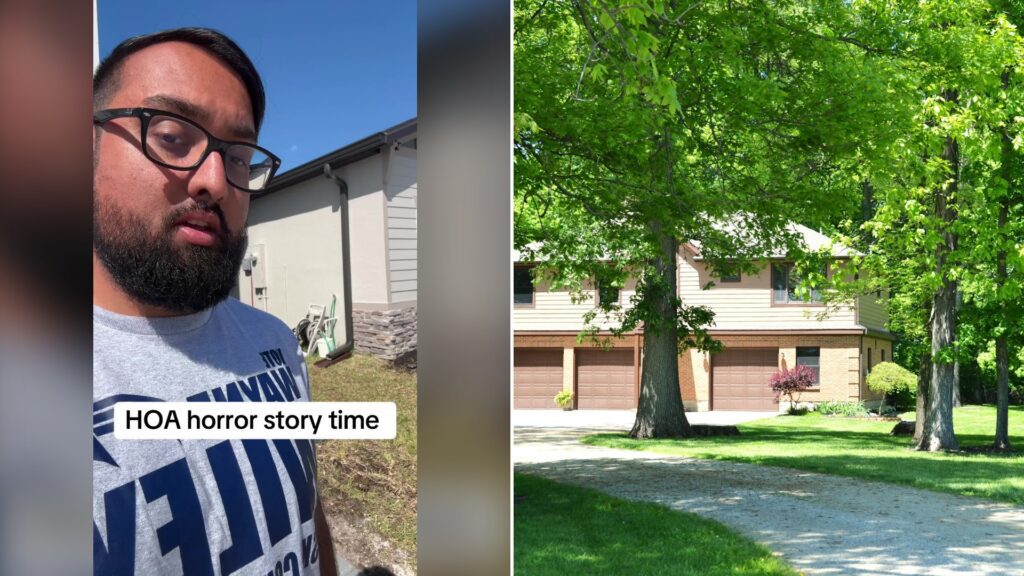
Most people would agree that a warning letter about a messy lawn is fair game in a community with rules. But what happens when you do exactly what the letter says and still get fined? That is the question @nowspinning put to her audience while explaining why she is preparing for a showdown with her homeowners association.

She opened by saying she is not someone who backs down when she thinks she is being treated unfairly. Then she walked through the whole timeline, from the first notice to the fine to the dramatic plan she has for her appeal hearing.
@nowspinning
The Warning Letter
A little over a month before she told the story, the management company for her association sent a warning letter saying her lawn looked bad and needed to be fixed or she would be fined. She read out the actual instruction from the letter. It said, in general terms, to fertilize and seed the lawn to promote growth, and that was all the guidance it gave.
She admitted right away that the criticism was fair. Her before photo, she said, shows a lawn that looks terrible. It was the worst looking lawn on the block, and she believes it was lowering everyone’s property value. So she was not upset about the original warning at all.
Weeks of Work in the Yard
The instructions seemed easy enough, so she headed to Home Depot and bought lawn soil, fertilizer and weed killer. After studying plenty of how-to tutorials online, she spent hours in the yard thatching and pulling up all of the dead grass, then laid new soil on top.
Over the next couple of weeks, she kept watering and kept learning, trying everything she could think of to get the new grass to grow. By her account, she did precisely what the warning letter asked her to do, and she put in real time and effort to do it.
A $125 Fine in the Mail
A few weeks later, a notice arrived in the mail. It used much of the same language as the first warning, telling her to fertilize and seed her lawn. The difference was that this one came with a $125 fine for not taking action on the lawn, even though she had already done so.
The notice also included a photo meant to show she had done nothing, and the lawn in it still looked bad. She pointed out the timeline problem: she was given about two weeks to turn the yard around with nothing more than fertilizer and seed, and in her view grass simply does not grow that fast.
The Appeal and the Big Plan
She called the management company, which submitted an appeal on her behalf. She was told there was an appeals council and that she did not need to come to the meeting. She had other ideas. Her answer was that she would be there with bells on and asked to be told the time and place.
Her vision for the hearing is pure courtroom drama. She wants to wear a suit and tie, carry a briefcase and set up an easel with large printed photos, along with one of those pointy extendable wands so she can tap each picture. She also joked that she would call the mayor and go to city hall. She closed by asking everyone to judge whether she is being crazy.
Tips for Handling Lawn Notices and Fines
Whether or not her appeal succeeds, the situation offers a few general lessons for homeowners. This is general advice only, so check your own governing documents or speak with a professional for specifics.
- Take dated photos of your lawn before, during and after any work, including close ups that show new growth.
- Keep receipts for soil, seed, fertilizer and other supplies as proof of effort.
- After finishing the work, write to the management company, describe what you did and attach the photos. Do not wait for the next notice.
- Ask for the standard in writing. Find out what the association considers acceptable and how much time is reasonable for results.
- Remember that seed needs time. Growth depends on the season, weather and watering, so ask for a reasonable extension if conditions are poor.
- Read the appeal process in your governing documents, note deadlines and attend if you can.
- At a hearing, bring organized evidence and keep your tone calm. A clear folder of photos and receipts is more persuasive than anger.
Timing also matters with lawns. Cool season and warm season grasses have different best planting windows, and seed often needs several weeks of steady moisture before it fills in. A homeowner who notes the planting date and the type of seed used can show a board that slow results are normal rather than neglect.
Why Documentation Wins
The easel and briefcase may be a joke, but the idea behind them is sound. Disputes like this usually turn on evidence, and the homeowner who can show exactly what she did and when is in the strongest position. She has already admitted the lawn looked bad, which gives her credibility. Now she just needs the board to accept that effort counts, even when grass takes longer than a notice allows.