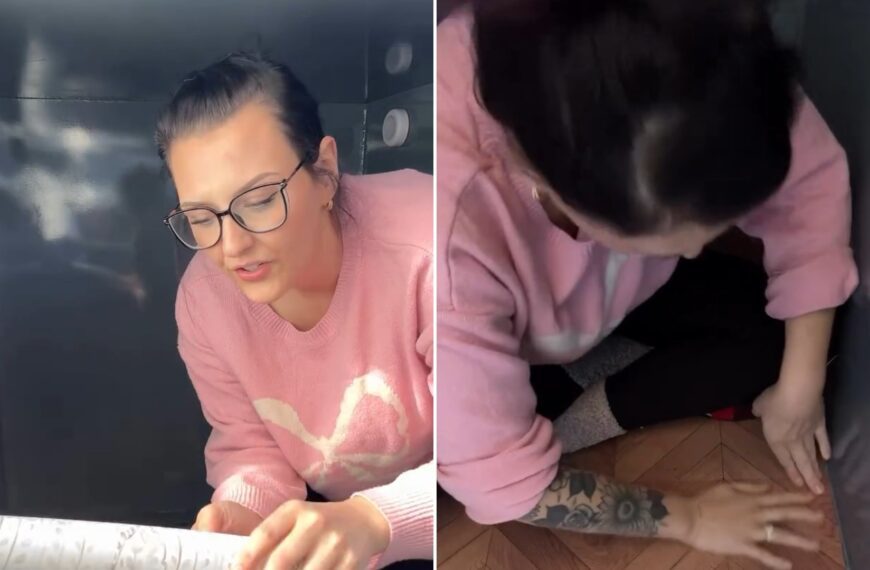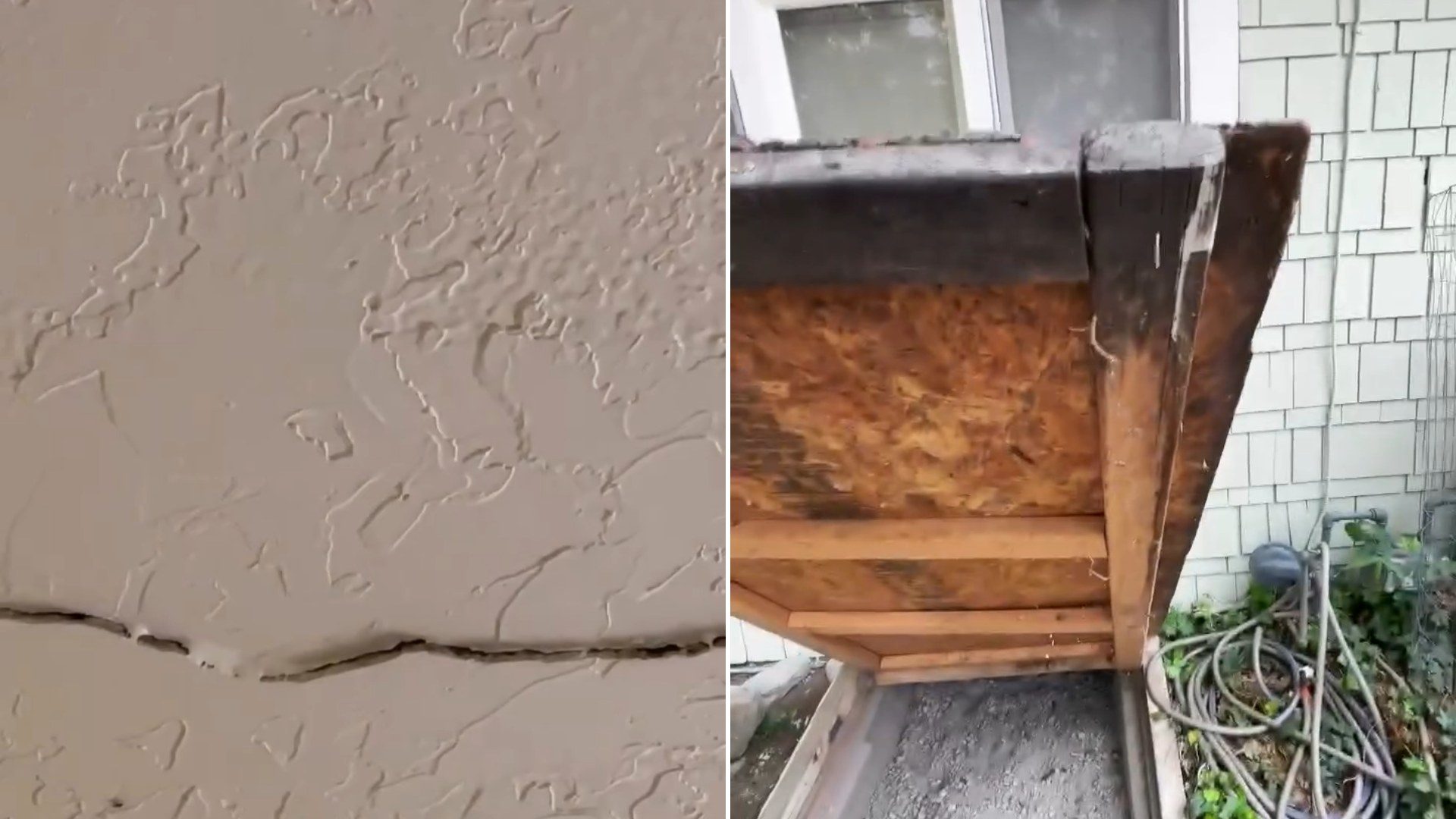
A home inspector says they pulled back a homeowner’s recent foundation “repair” and found the contractor hadn’t actually fixed the crack at all — just packed it with loose gravel, according to the inspector’s own Instagram post.
The inspection, documented on video, shows the crack still present once the loose fill material was cleared away. Rather than sealing the crack with epoxy, hydraulic cement or another structural method, the gravel had been packed in front of it, hiding the damage from a surface-level look without resolving it underneath.
Key Points
- The foundation crack had reportedly been “repaired” with loose gravel, not a structural fix, according to the inspector’s video.
- The gravel packing was discovered during a routine inspection, once it was cleared away from the crack.
- The inspector’s account has roughly 11,000 followers, and the clip has circulated as a cautionary example for buyers and homeowners.
- A crack that’s disguised rather than repaired can keep letting in moisture and worsen over time, even if it looks resolved from a distance.
What Homeowners and Buyers Should Do
Always ask for documentation of any foundation repair, including the method used, the materials, and photos of the crack before and after the work. A legitimate structural repair, typically epoxy injection, hydraulic cement, or a carbon fiber strap system for wider cracks, leaves a paper trail a contractor should be willing to hand over.
- Hire an independent home inspector before closing on a house with any noted foundation work, rather than relying on the seller’s word that it was fixed.
- Ask specifically whether a repair was structural or cosmetic. Loose fill, caulk or gravel packed into a gap isn’t a permanent fix and can mask an active problem.
- Watch for signs a crack is still active, including new gaps, water intrusion after rain, or doors and windows that start to stick.
- Get a second opinion from a structural engineer if a foundation repair looks inconsistent with the size or type of crack it was meant to address.
- Confirm the contractor who performed the work is licensed and bonded in the state where the home is located, and ask for a copy of any warranty in writing rather than a verbal promise.
Not every hairline crack needs a major structural fix, and a good inspector should be able to explain the difference between a cosmetic settling crack and one that signals ongoing movement. A repair dressed up to look finished, without addressing the cause underneath, tends to cost buyers far more later than an honest quote for the real fix would have upfront.
Foundation problems rank among the most expensive repairs a homeowner can face, which is part of why a corner-cut fix like this one draws attention when it surfaces. A gravel-packed crack can look fine during a quick walk-through and still leave a buyer facing thousands of dollars in repair costs once the real extent of the damage comes out.