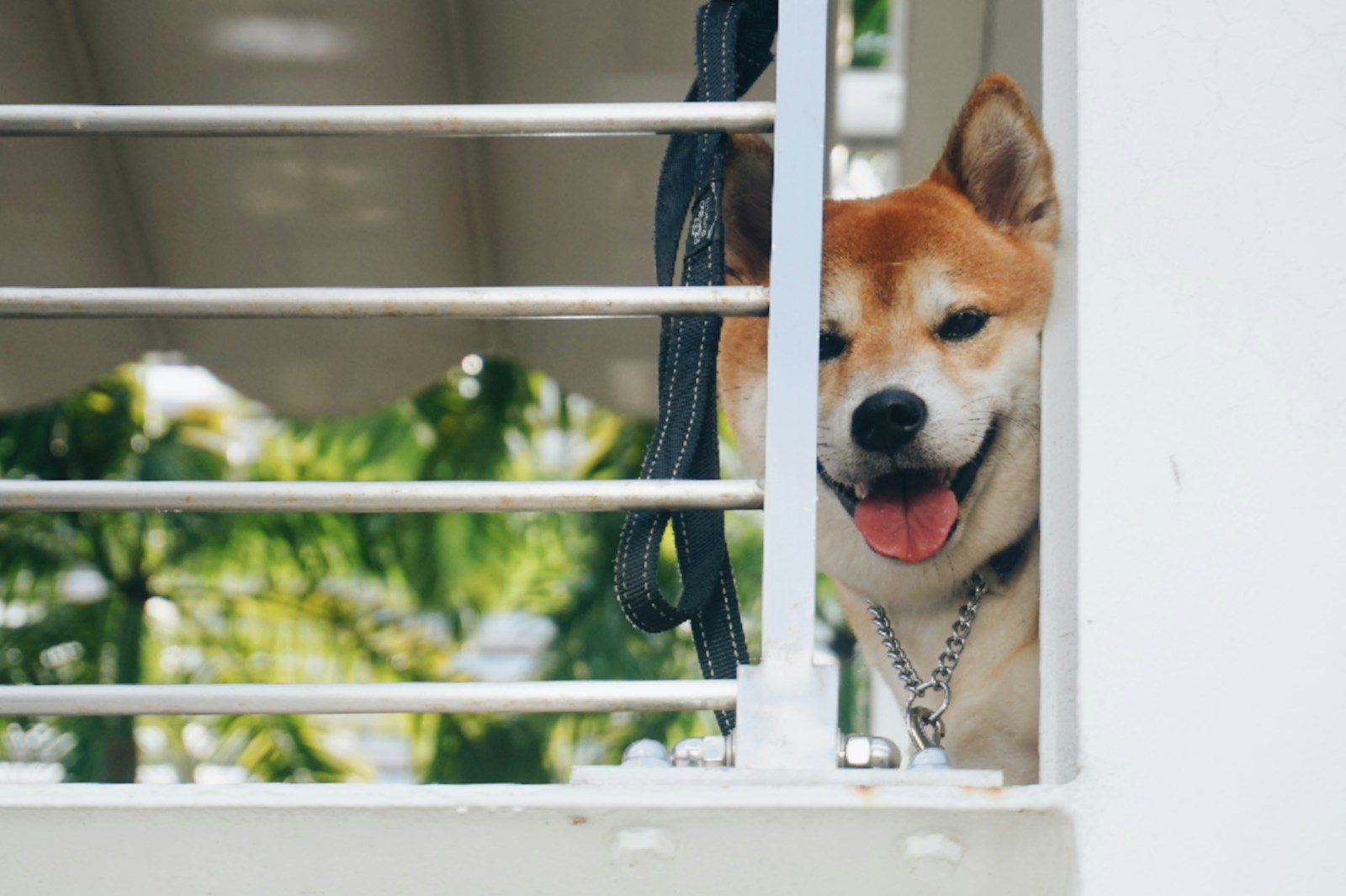
A homeowner’s months of careful gardening work has been reduced to dirt and destruction, and the culprit has four legs and belongs to the neighbor next door. The frustrated property owner says a neighbor’s dog has been repeatedly digging under the shared fence line, wreaking havoc on carefully cultivated garden beds that took an entire growing season to establish. The situation highlights a common yet difficult problem where a neighbor’s dog persistently digs under the fence, creating tension between neighbors while causing real property damage and safety concerns.
The homeowner discovered the damage after noticing fresh holes appearing along the fence line, with uprooted plants and scattered soil marking the dog’s path of destruction. What started as an occasional annoyance has escalated into an ongoing issue, with the neighbor’s dog continuing to dig despite multiple conversations between the two parties.
This case raises questions about responsibility, neighborly relations, and what options exist when informal discussions fail to resolve the problem. The homeowner now faces decisions about whether to pursue legal action, invest in expensive fence modifications, or continue attempting to work things out diplomatically.
How To Handle A Neighbor’s Dog Digging Under Your Fence
When a neighbor’s dog repeatedly digs under a fence and destroys garden beds, homeowners face both property damage and the challenge of maintaining good relations with their neighbors. The situation requires documentation, direct communication, and physical barriers to stop the behavior.
Assessing The Damage And Documenting Incidents
Homeowners dealing with this issue need to document every incident with photos and written records. They should photograph the holes under the fence, damaged plants, and any destroyed garden beds each time they discover new damage.
Creating a log with dates, times, and descriptions of the damage helps establish a pattern of behavior. This documentation becomes important if the situation escalates and requires involvement from local animal control or legal action.
The records should include estimates of replacement costs for destroyed plants and materials. Garden beds that took months to grow represent both financial investment and lost time. Some homeowners also install security cameras to capture video evidence of the dog’s digging behavior, which provides undeniable proof of the problem.
Talking With Your Neighbor To Find A Solution
Most homeowners start by approaching the conversation respectfully with their neighbor about the dog’s behavior. They bring their documentation and photos to show the extent of the damage without being confrontational.
Many dog owners aren’t aware their pet is escaping and causing problems. The conversation often goes better when homeowners express concern for the dog’s safety rather than leading with anger about property damage.
If the neighbor is unresponsive or dismissive, homeowners sometimes contact animal control to report the repeated incidents. Animal control can issue warnings or citations for dogs that repeatedly trespass on neighboring properties and cause damage.
Reinforcing And Repairing Fences To Prevent Future Digging
Homeowners often install physical barriers beneath the fence line to stop dogs from digging through. One effective method involves laying 2×4 wire fencing flat along the ground at the fence base and securing it with ground staples.
Other homeowners dig trenches and bury wire mesh or concrete extensions underground. These barriers prevent dogs from successfully digging under even when they try repeatedly.
Some people reinforce the fence base with wooden boards or metal panels installed horizontally along the bottom. While these solutions require upfront investment, they prove more effective than repeatedly filling in holes and replanting destroyed gardens.
Legal Rights And Next Steps If Your Garden Is Destroyed
Property owners dealing with a neighbor’s destructive dog have specific legal claims available, and knowing when to contact authorities can make the difference in stopping the damage and recovering costs.
When To Involve Animal Control Or Local Authorities
Local animal control becomes relevant when a dog repeatedly enters someone else’s property without permission. Many municipalities have leash laws and regulations about pet containment that require owners to keep their dogs on their own property. When a dog keeps digging under fences to access neighboring yards, this typically violates these ordinances.
Animal control officers can document the incidents and issue citations to the dog’s owner. They create an official record of the problem, which becomes valuable if the situation escalates to legal action. In cases where the dog poses ongoing property damage risks, animal control may require the owner to take corrective measures like reinforcing fences or keeping the dog indoors.
Some areas also have specific rules about dogs that repeatedly damage property or become nuisances. Homeowners should report each incident to build a paper trail showing the pattern of behavior.
Understanding Liability For Property Damage And Dog Bites
Dog owners in Virginia must exercise reasonable care in supervising their pets to manage any danger they pose. This responsibility extends beyond just dog bites to include property destruction. If a dog has a known history of damaging flower beds or digging, the owner could be held liable for allowing it to continue.
The legal claims available depend on the severity of damage. Trespass applies when a dog damages property without destroying it completely. Conversion covers situations where the dog destroys or takes items entirely, like uprooting plants or carrying away garden decorations.
The dog’s history matters significantly in these cases. Owners face greater liability when their dog has previously caused similar damage and they failed to prevent it from happening again.
More from Decluttering Mom: