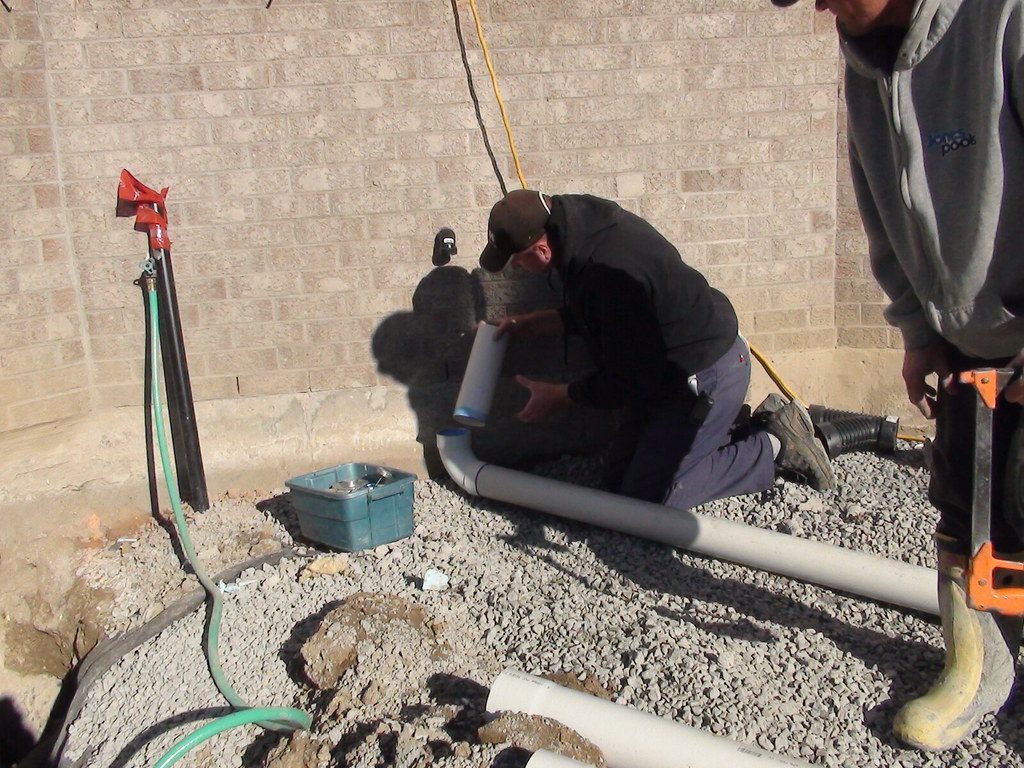
You notice a sump pump cycling every 30 seconds after a snowstorm and wonder if something changed underground. That rapid cycling often points to excess meltwater, a clogged or frozen discharge, or a failing float or check valve — problems you can diagnose and often fix quickly.
They will walk through likely causes like spring infiltration, frozen lines, and mechanical faults, and what to check first to avoid basement flooding. Expect practical steps and signs that mean calling a pro versus simple homeowner fixes.
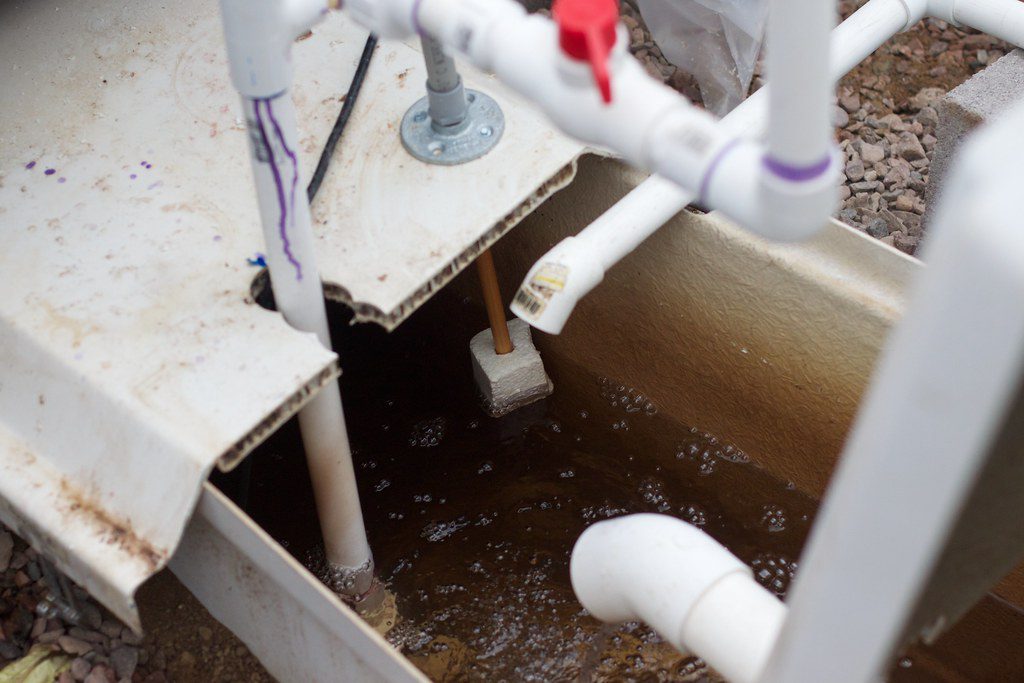
Why Your Sump Pump Runs Every 30 Seconds After Snowstorms
Snowmelt can push unusually large volumes of water into a foundation quickly, overwhelm drainage, and trigger short cycling from float switches or returning discharge. Small changes underground or near the perimeter can turn normal melting into constant pump activity.
Possible Changes Underground Causing Water Intrusion
Shifts in underground water flow often stem from new or worsening subsurface issues. They should check for a broken municipal water or sewer line, a failing irrigation lateral, or new saturation from nearby construction that now funnels groundwater toward the foundation. Any of those will feed the sump pit continuously and make the pump cycle every 30 seconds.
Look for signs: soft spots in the yard, persistent puddles, or neighbors with the same issue. A broken sewer or water main often produces unusually clear or strongly smelling water and can require the utility company to inspect. A contractor can use a camera or tracer dye to confirm a damaged buried line.
If the property grade changed—mounded soil, added landscaping beds, or new driveways—those can reroute meltwater. Even small changes in underground clay layers or compacted fill can trap meltwater against the foundation and keep the pit full.
How Melting Snow Impacts Basement Water Tables
Rapid snowmelt delivers a pulse of water that temporarily raises the local water table. When the water table rises above the sump pit’s set point, the pump cycles frequently to chase the incoming groundwater. Prolonged cold snaps followed by quick warm periods make this worse because frozen ground reduces infiltration until thaw, then releases a large volume at once.
The combination of saturated soil and slow soil drainage can force groundwater into footing drains and the sump. If the discharge line is partially frozen, clogged, or missing a working check valve, pumped water can flow back and reinundate the pit. That return flow short-cycles the pump and increases wear.
They should note the timing: if the pump runs heavily during warm afternoons after daytime thaw and slows overnight when temperatures drop, that pattern points to melt-driven groundwater pulses rather than a pump mechanical failure.
Identifying What’s Different From Previous Winters
Start by comparing recent site changes to prior seasons. Did they add landscaping, change gutters/downspouts, install a new driveway, or start an irrigation system? Any of those can change surface runoff paths and increase water near the foundation compared with earlier winters.
Next, inspect the discharge path and check valve. If the pump never ran like this before, a missing or failed check valve or a partially frozen/clogged discharge line is an easy, fixable culprit. They should also confirm the pump model and float type; a smaller pump or a float that trips at a higher/lower point can make cycling behavior look new.
Finally, ask neighbors or the builder whether recent municipal work, a new subdivision, or altered storm drains occurred. Correlating dates—when the behavior started versus when changes happened—often reveals the cause and directs whether they need a plumber, utility crew, or landscaper.
What To Do When Your Sump Pump Never Did This Before
A sudden change in how often the pump runs usually points to one or two things: more water reaching the pit, or the pump reacting to a new fault. Check water entry points, float action, discharge path, and nearby yard grading first.
Steps To Diagnose Changes in Drainage or Grading
Have the homeowner walk the perimeter after a thaw or rain. Look for soft spots, ponding near the foundation, clogged gutters, or downspouts that dump water within 6 feet of the house. Measure slope: the grade should drop at least 6 inches over the first 10 feet away from the foundation.
Inspect the sump pit and surrounding floor for new cracks or efflorescence (white mineral streaks), and examine interior drain tile seams if visible. Check the discharge line outside for pooling, ice, or a displaced elbow. If multiple houses on the block show the same change, suspect a larger groundwater shift or nearby construction altering runoff.
When To Call a Professional Plumber or Waterproofing Expert
Call a plumber if the pump runs but water doesn’t leave the property, the discharge line is frozen or clogged, the check valve leaks, or the pump cycles on and off rapidly. These are mechanical or plumbing issues that require tools and safety checks.
Contact a waterproofing or foundation contractor when grading needs rework, drainage tiles appear compromised, or neighbors report similar basement seepage. Also call a pro if sewer backups, broken underground lines, or new utility work nearby could explain sudden groundwater changes. Bring photos, timing patterns (how often it cycles), and weather history to the appointment.
Tips for Reducing Sump Pump Run Frequency
Start with low-cost fixes: extend downspouts at least 6–10 feet using rigid pipe; clean gutters and remove debris from the pit; secure or replace a jammed float switch; and fit or replace the check valve to stop backflow. These often cut cycle frequency immediately.
For recurring heavy runoff, add a second pump or a larger-capacity pump sized to the pit volume and peak inflow. Install a battery backup to handle outages during storms. If grading is poor, add 4–6 inches of compacted topsoil sloping away, or install a surface swale to divert water; hire a pro for regrading over large areas.
More from Decluttering Mom: