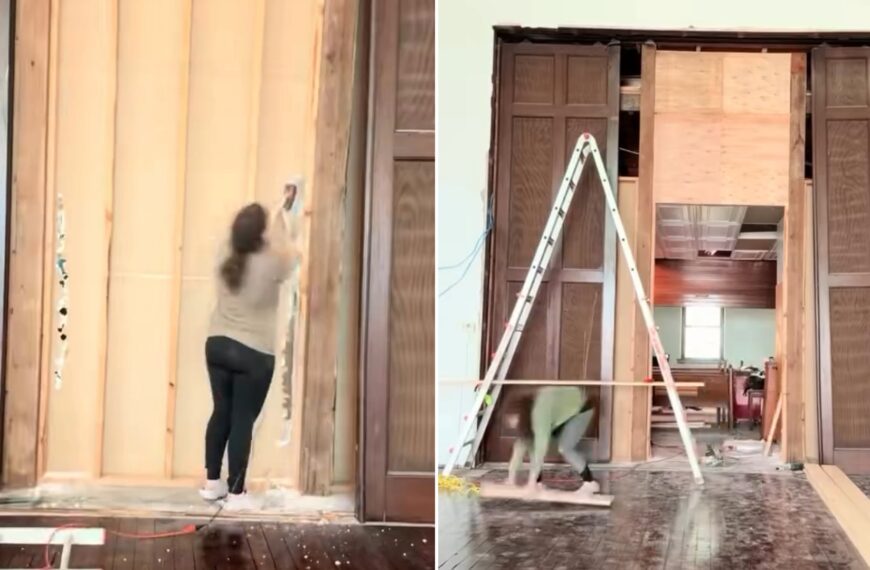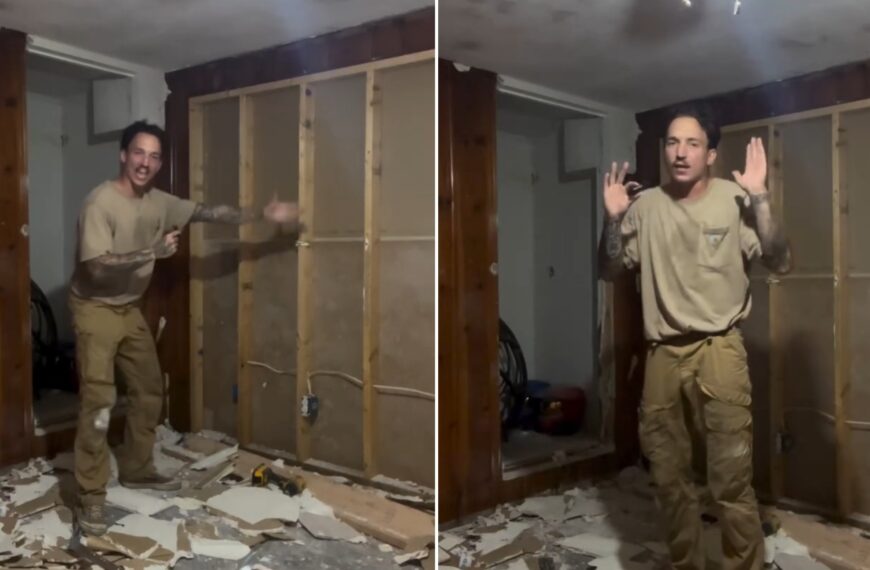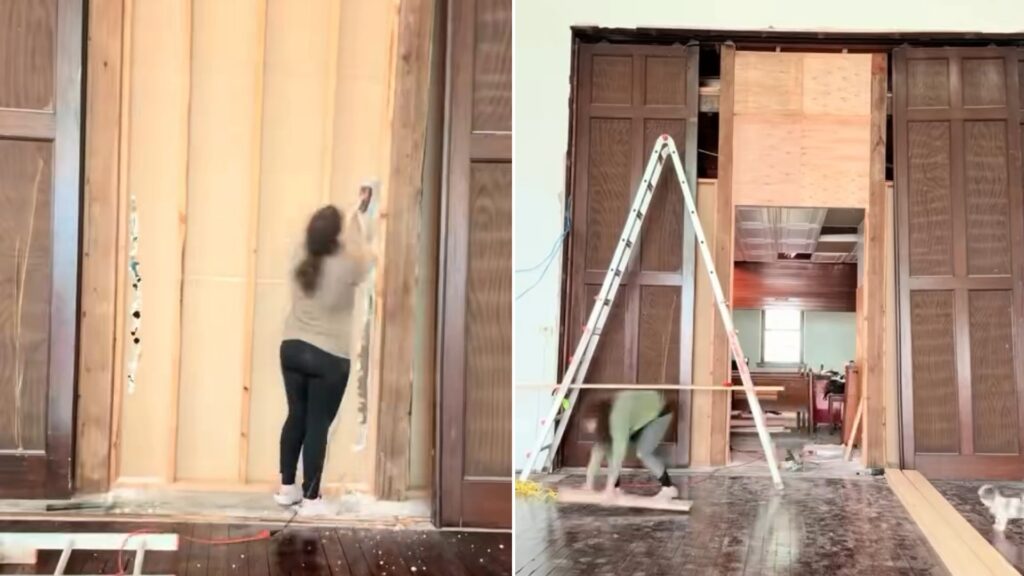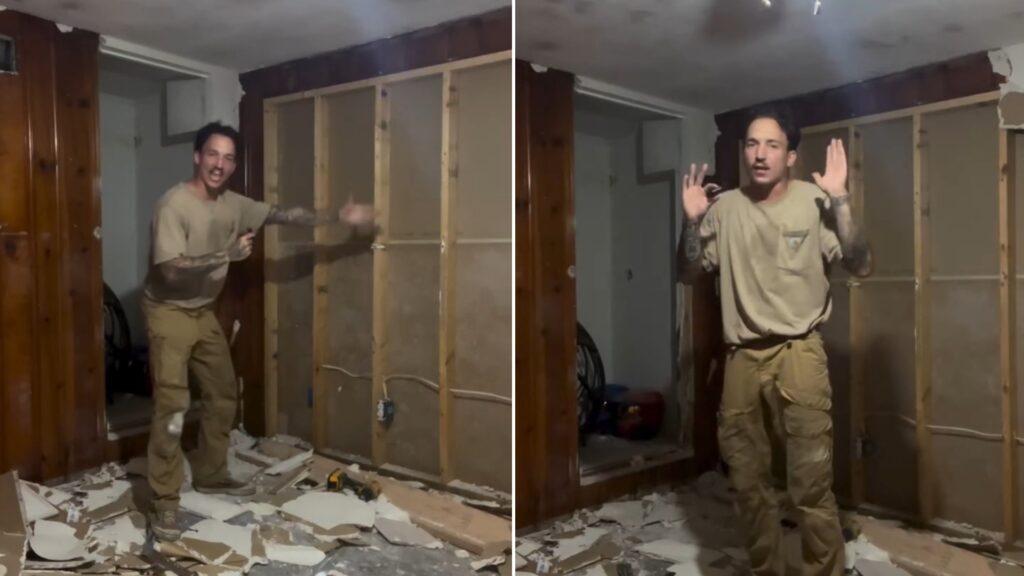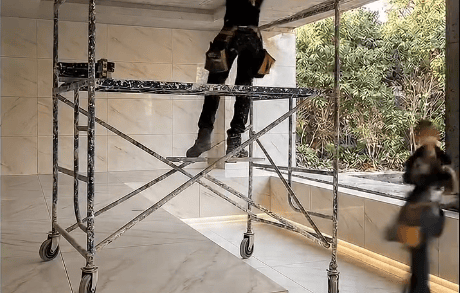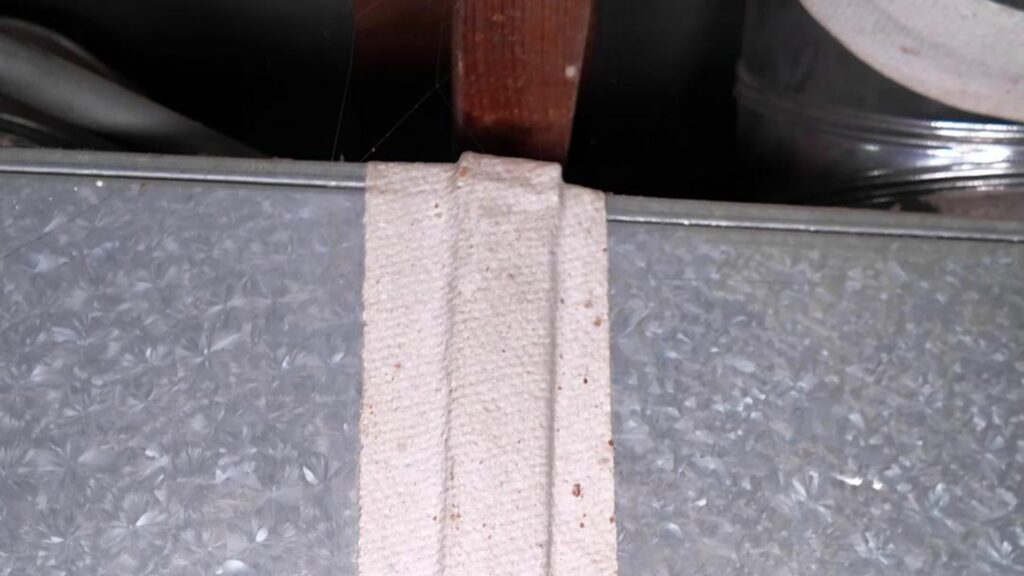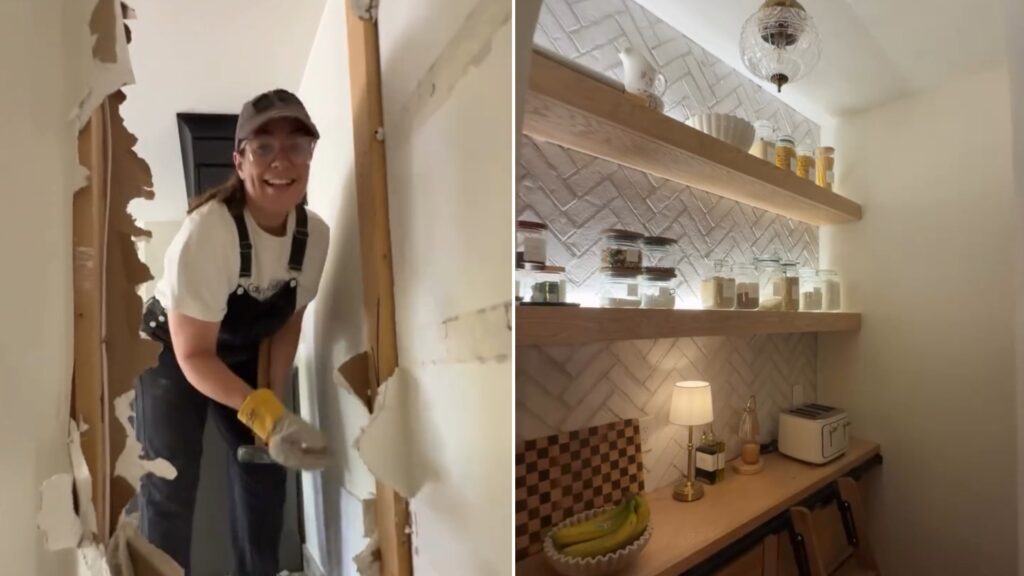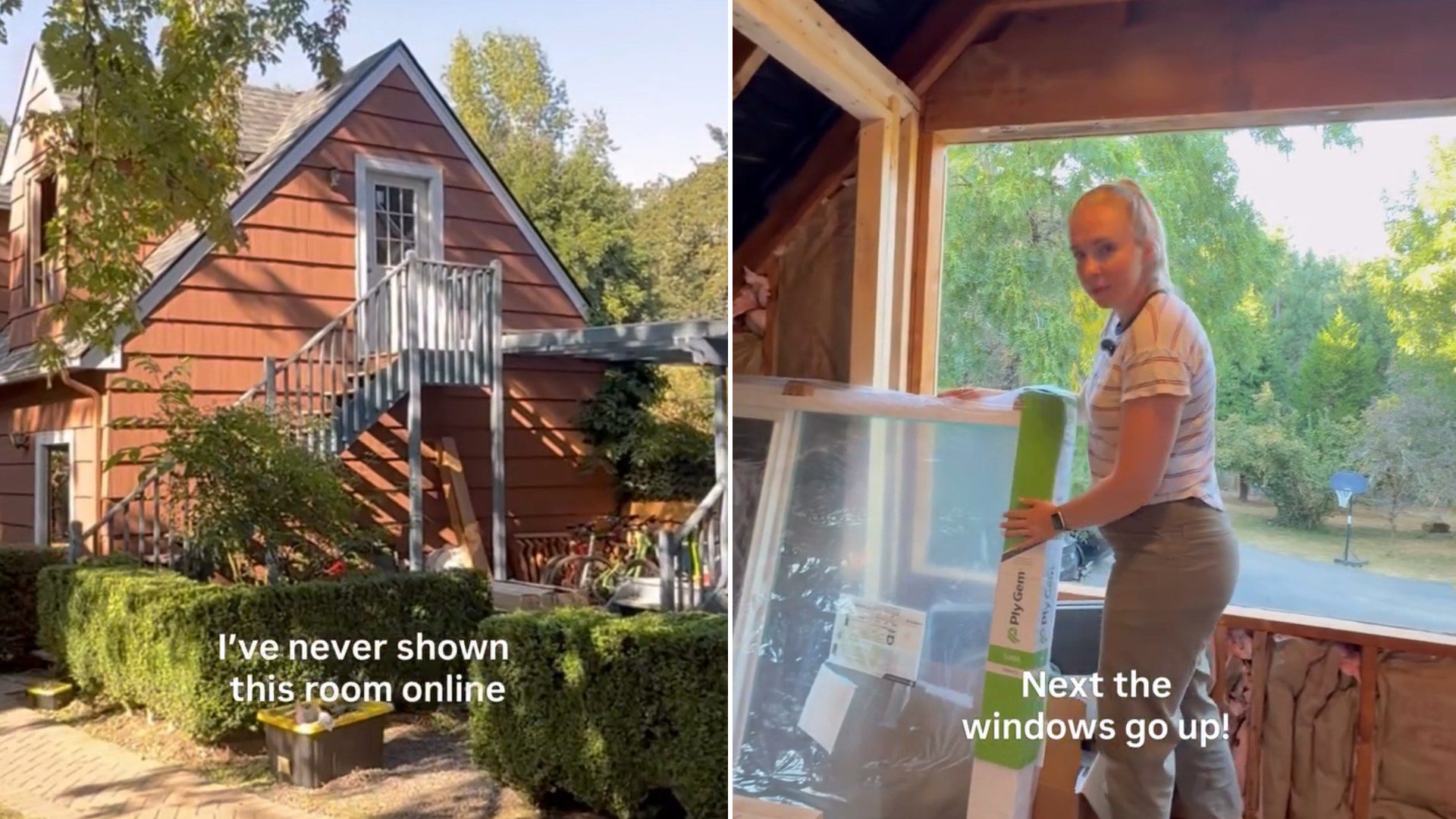
A garage attic that sat untouched for 96 years — original framing, original dust, no sign anyone had used it since the day it was built — is now a finished guest house after months of work documented by a creator with roughly 3 million Instagram followers. The reel showing the transformation has pulled in 2.6 million views on Instagram, a number that stands out even against an already large audience. The appeal is straightforward: almost nobody expects a functional guest suite to come out of a space that’s spent nearly a century holding nothing but cobwebs.
What It Actually Takes to Convert a Garage Attic
Converting overhead garage space into livable square footage is a heavier lift than home shows tend to make it look, largely because garage attics were never built to residential code in the first place. The rafters and joists holding up a garage roof are typically sized for storage loads, not for people walking around or furniture sitting on the floor, so a real conversion starts with structural reinforcement before insulation, drywall, or flooring go in. Contractors converting garage space into an accessory dwelling unit report costs running $150 to $400 per square foot, with a full one-car garage conversion landing anywhere from $36,000 to $96,000 depending on finishes, permitting, and whether plumbing has to be run in from scratch.
Attics specifically add headroom problems on top of the structural ones. Garage rooflines are often built with less vertical clearance than a house attic, which means a usable guest space frequently requires raising the roof, adding dormers, or accepting a lower ceiling than code minimums allow for a bedroom, pushing some owners toward a flex-space or studio designation instead of a legal ADU depending on local zoning.
Insulation and Climate Control Are the Real Work
An attic sealed off for close to a century usually has zero insulation and no vapor barrier, meaning the space swings to whatever temperature the outside air is doing. Getting it to guest-house comfort means adding insulation rated for the local climate zone, sealing air leaks around the original framing, and installing a heating and cooling source that didn’t exist when the garage was built. That’s often a ductless mini-split, since running full ductwork into a converted attic is expensive and sometimes structurally impossible. None of that shows up in the satisfying before-and-after shots that make this kind of content spread, but it’s most of the actual budget and timeline.
Why the Payoff Is Bigger Than a Nice Room
A finished garage attic functions as a small ADU even when it isn’t formally zoned as one, and that distinction carries real financial weight. Homeowners converting existing structures instead of building new additions save on foundation work, typically the single most expensive line item in ground-up construction, and a guest space that can also work as a rental unit adds income potential that a home office or den simply doesn’t. That’s part of why garage and attic conversions have become one of the more searched renovation categories among owners trying to add space without taking on a mortgage-sized addition.
The 96 years of neglect that made this particular attic a novelty is also what made it a blank slate to work with. No outdated wiring to rip out, no water damage from a decades-old leak to remediate first, just original bones waiting for someone to finally put them to use.
The Numbers Behind Why Owners Keep Doing This
Garage conversions consistently post some of the fastest payback periods of any accessory dwelling unit type. Where a fully detached new-build ADU can take six to ten years of rental income to cover its own construction cost, a garage conversion typically pays itself back in three to six years, according to one design-build firm’s 2026 ADU return-on-investment analysis, because there’s no foundation or exterior shell to build from scratch. The same analysis puts typical garage-conversion rental income between $1,500 and $2,500 a month in strong markets, which is real money sitting on top of whatever the space is worth as a private guest suite.
That combination, low relative build cost plus a fast payback window, is likely a bigger part of why garage and attic conversions keep trending than the finished aesthetic alone. A guest house is nice to have. A guest house that can also cover a chunk of a mortgage payment is a different kind of project entirely, and it’s the reason a 96-year-old dead space was worth months of work instead of getting left alone for another few decades.