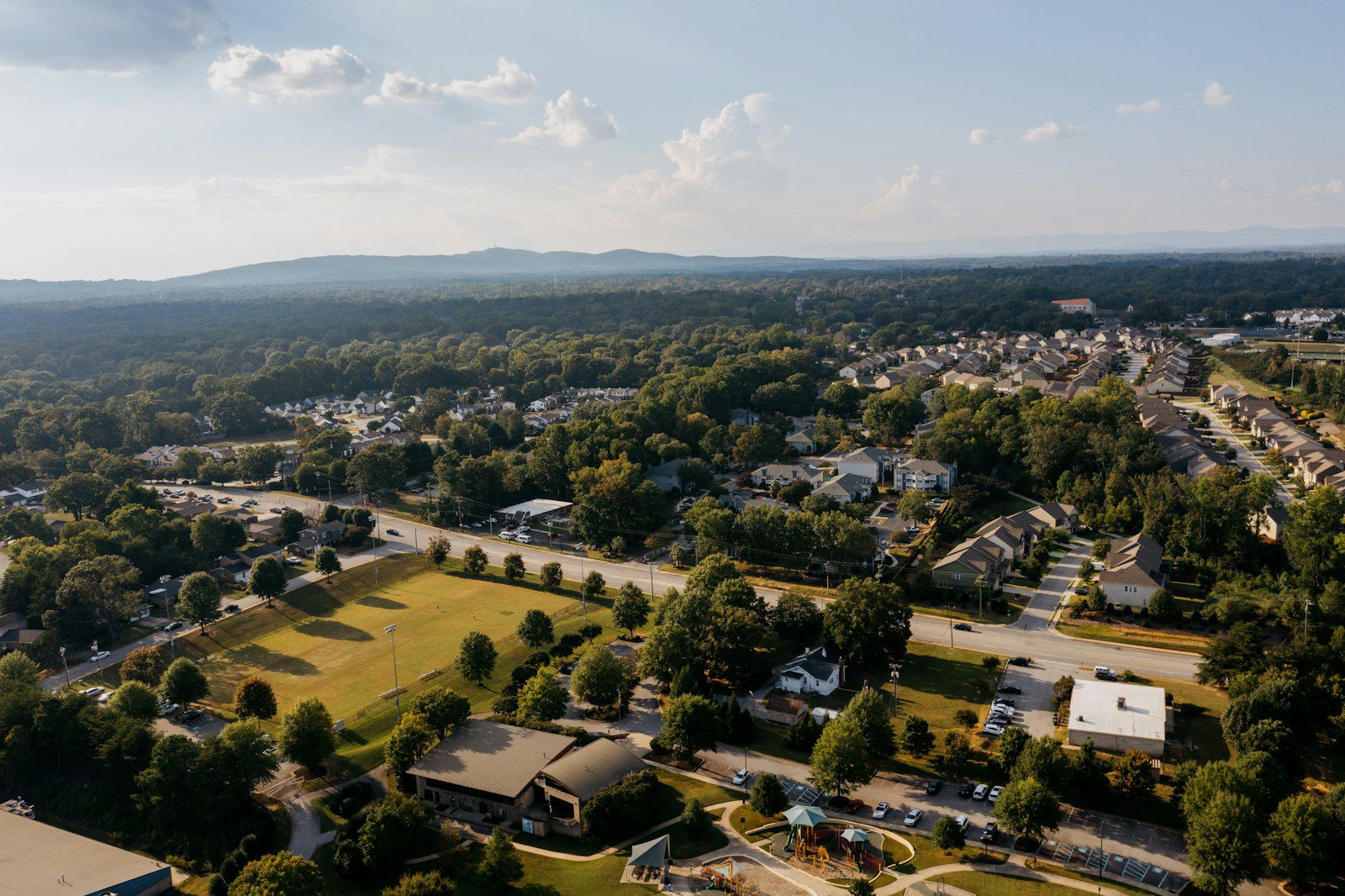
You probably notice your neighborhood looks a little different: yards are shrinking and houses feel more built-out than before. You’ll learn why many homeowners are choosing to stay put and reshape their properties instead of moving, and how that decision is changing backyards across the country.
This piece will walk you through what’s keeping people in place, from mortgage-rate math to longer home tenures and the rise of backyard additions, so you can see the bigger picture behind those smaller yards.
Homeowners hold on tight to low mortgage rates from early 2020s

You bought when rates dipped to the 2–3% range, and that low monthly payment feels almost untouchable.
Giving that up to trade-up or relocate can mean hundreds of dollars more each month, so many choose to stay.
This “lock-in” keeps listings scarce and yards shrinking as new buyers crowd limited inventory.
For data on how widespread this effect is, see reporting on homeowners feeling trapped by their low rates (https://www.realtor.com/news/trends/low-mortgage-rates-homeowners-golden-handcuffs/).
Median home tenure nearly doubled to 11.8 years by 2024
You’re staying put longer: the median U.S. homeowner tenure rose from about 6.5 years in 2005 to 11.8 years by 2024. That shift reflects higher home prices, tax rules, and the costs of moving.
In places like California the effect is even stronger, with some metros showing much longer tenures. Check Redfin’s analysis for the detailed numbers and regional differences (Redfin).
Fear of higher mortgage rates stops many from selling
You worry that trading your low-rate mortgage for today’s higher rates will raise your monthly payment a lot.
That makes you stick with the familiar house and a smaller yard rather than move and pay more.
You also know buyers face the same math, which shrinks demand and pushes prices down in some areas.
So you delay listing to avoid a double hit: higher borrowing costs for a new mortgage and weaker sale proceeds.
Studies show many homeowners feel “locked in” by mortgage math, not just sentiment (CNBC).
Shrinking backyards reflect owners expanding homes instead of moving
You’re increasingly choosing to add on rather than hunt for a new mortgage in a higher-rate market. Expansions, additions, and backyard accessory units let you gain space without the cost and hassle of moving.
When you build into your lot you trade green space for livable square footage. That trend shows up across reports about homeowners staying put and repurposing yards for growth, not leisure (see why homeowners are staying put and shrinking yards) https://www.msn.com/en-us/money/realestate/homeowners-refuse-to-move-and-their-shrinking-backyards-show-why/ar-AA1UBaOz
Many homeowners planning to never sell their current home
You’re hearing more people say they’ll never sell, driven partly by high prices and low mortgage rates they don’t want to leave.
A recent Redfin survey found roughly a third of homeowners say they don’t plan to sell, and older owners are even more likely to stay put (Redfin report).
You might recognize this in your neighborhood: houses that rarely turn over and yards that shrink as families add structures instead of moving.
That hesitancy tightens supply and affects options if you’re trying to buy or trade up.
Backyard ADUs rising as adult kids stay with parents
You’re seeing more homeowners add small, self-contained units when grown children stay put.
ADUs let you keep family close without crowding the main house, and they can generate rental income if needed.
Local rules now make building easier in many places, so your backyard becomes a practical housing option.
Learn more about how ADUs are reshaping neighborhoods at this article about the ADU boom.
Sellers punished by market for giving up cheap mortgages
You lose a powerful advantage when you sell a home with a low-rate mortgage and buy at today’s rates.
Higher borrowing costs mean your next mortgage payment could jump significantly, so many owners choose to stay put.
That reluctance tightens supply and shrinks yards as families add on instead of moving.
If you list, buyers can demand steep price cuts because alternatives and new construction give them leverage.
Homeowners feel trapped in homes once their dream houses
You bought a place that fit your life once, but now it feels like a financial anchor.
Rising taxes, insurance, and maintenance chew into your budget, and trading a low-rate mortgage often means a bigger monthly payment.
You may love the memories but dislike the upkeep and shrinking yard space.
Many people under 50 report feeling stuck because they simply can’t afford to move, even when their needs change.
Longer home stays cause substitution of yard space for added rooms
You’re staying put longer to keep a low mortgage rate, so you rethink space instead of moving.
Adding an interior room or finishing a basement often costs less than trading up and losing that favored interest rate.
You trade outdoor square footage for indoor functionality like home offices, gyms, or extra bedrooms.
That shift shrinks yards as homeowners prioritize climate-controlled space you can use year‑round.
Some choose accessory dwelling units to gain room without changing mortgages.
Others reconfigure layouts, squeezing more living area into the existing footprint.
Remodeling preferred over moving to avoid loan rate hikes
You’re staying put because swapping your low-rate mortgage for a new loan could raise your payments a lot. Many homeowners choose upgrades instead, spending on kitchens, yards, and add-ons to get the space they want without refinancing.
Renovating lets you control costs and timeline more than hunting for a new home would. With mortgage rates still elevated, improving your current house often makes more financial sense than taking on a higher-rate mortgage.
More from Decluttering Mom: