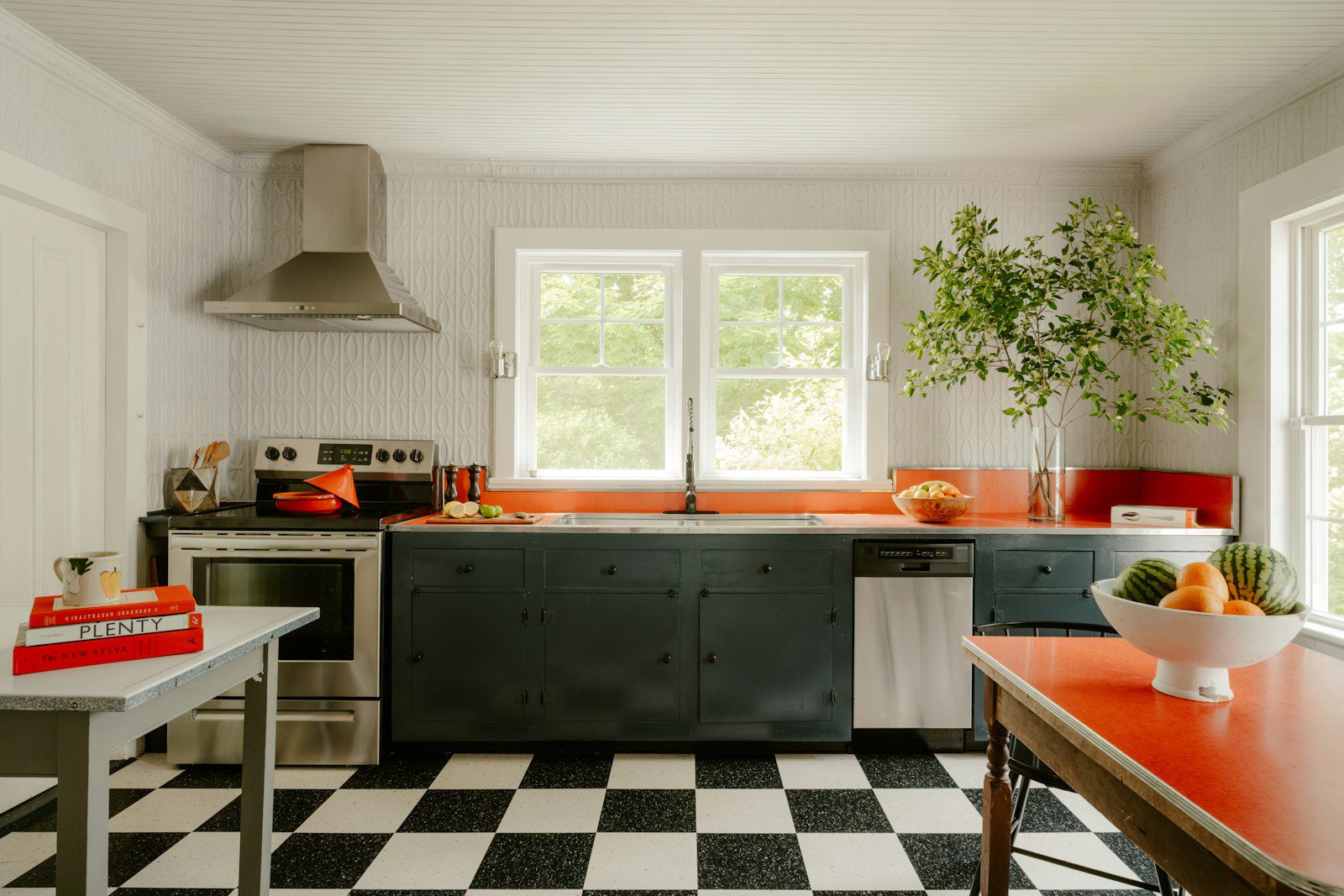
Search activity on home-design platform Houzz for “checkerboard floor” climbed 38% in the first three quarters of 2025 compared with the same stretch a year earlier, and the bathroom-specific version of that search more than doubled. Homeowners planning kitchen and bathroom renovations keep requesting a pattern their grandparents ripped out decades ago as dated diner flooring. Surfaces manufacturer MSI lists checkerboard among its defining 2026 design categories, describing it as a classic geometric getting reimagined in richer, more contemporary colorways. The pattern that once signaled a 1950s soda fountain is now showing up in marble, terra cotta, and jewel-toned glazes in newly renovated homes.
The numbers behind the comeback
Houzz’s own 2026 trend research documents the 38% jump in general checkerboard-floor searches and a 103% spike in searches specifically for bathroom checkerboard tile, both measured against the prior year. That kind of search growth typically shows up in showroom foot traffic and material orders roughly a season later, which is why flooring suppliers are already stocking more checkerboard-pattern product than they were even two years ago. MSI’s design trend outlook for 2026 groups checkerboard under its own product category, treating it as a standing design direction rather than a passing seasonal fad, alongside other classic patterns getting a contemporary refresh.
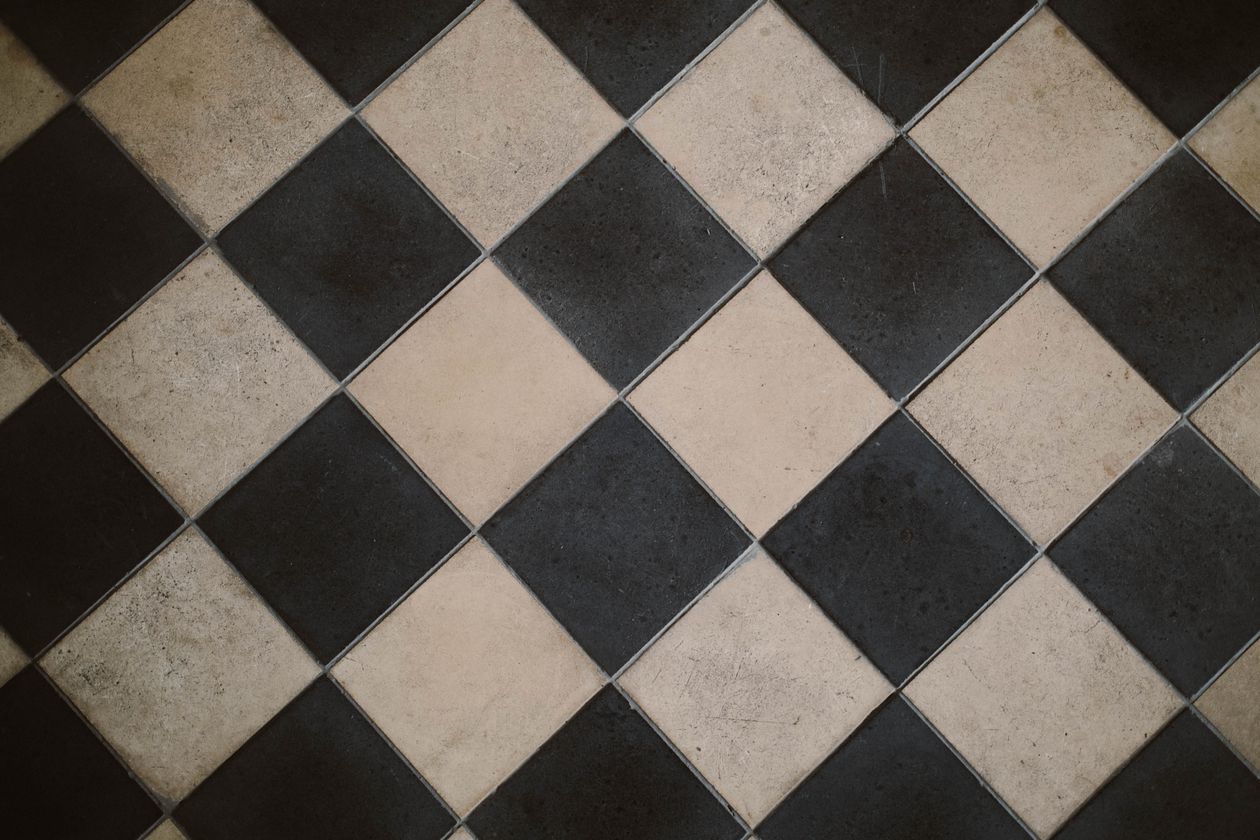
Why designers say it’s back
Part of the appeal is that checkerboard reads as intentional rather than trendy, since the pattern has centuries of use across different design traditions rather than a single decade attached to it. That history gives homeowners cover to install something bold without it looking like a fad purchase that will feel dated in five years. The other shift is color. Instead of the black-and-white combination people associate with retro kitchens, current requests lean toward sage and cream, or deeper tones like emerald, oxblood, and burgundy, paired with higher-end materials such as honed marble or handmade terra cotta tile. That combination turns a pattern with genuinely humble origins into something that reads as custom and considered rather than nostalgic.
What it costs to install
Checkerboard doesn’t carry a cost premium over any other tile pattern by itself. The material and finish chosen drive the price far more than the layout does. National averages for tile installation run from $5 to $45 per square foot including labor, with a typical bathroom floor project landing around $2,400 and a kitchen floor running $800 to $3,000 for an average-sized room. A checkerboard layout in basic ceramic tile sits at the lower end of that range, since the pattern itself just alternates two colors of the same material. Choosing marble or handmade terra cotta to get the elevated look designers are showing, rather than ceramic or porcelain, is what pushes a project toward the higher end of that spread, along with any added labor for cutting and aligning a two-tone pattern precisely.
Part of a broader renovation wave
Checkerboard’s rise isn’t happening in isolation. Houzz’s 2026 Houzz & Home study found 54% of U.S. homeowners were renovating or planning to renovate, and kitchens and bathrooms remain the two most commonly renovated rooms in that research. That’s precisely where checkerboard searches are concentrated, which suggests the pattern is riding a genuinely active renovation cycle rather than spiking in a market where few people are actually pulling permits and hiring contractors. A design trend backed by that much real renovation activity tends to show up in showrooms and installer schedules for longer than one tied to a slower remodeling year.
Installation complexity is the other factor homeowners weigh once they’ve picked the pattern. A two-tone checkerboard layout requires more precise cutting and dry-fitting than a single-color tile job, since every seam has to line up across both colors simultaneously. Most flooring installers price that extra labor into the per-square-foot rate rather than charging a separate line item, which is part of why the material choice, not the pattern itself, ends up driving most of the final bill.
A pattern that keeps resurfacing
Checkerboard flooring has cycled in and out of American homes for close to a century, showing up in different decades with different color stories attached each time. What’s notable about this run isn’t that it’s happening again. It’s that the data showing renewed interest is arriving from search behavior and industry trend reporting rather than just word of mouth from a few high-profile renovations, which suggests the shift has more staying power than a single influencer moment would.