Premium exterior paint lines get marketed around a decade of protection, and some, like Benjamin Moore’s Aura exterior line, even carry a lifetime limited warranty against issues like peeling. Real-world numbers tell a shorter story. Painting contractors surveyed on the job put average real-world performance closer to seven to ten years, and that average hides a lot of variation depending on which wall you’re standing in front of. A south-facing wall painted the same week as the shaded north side of the same house can start failing years apart. Homeowners rarely check the sun-exposed side until the color has already gone chalky, and by then the gap between “still fine” and “obviously due” has usually closed.
What the label promises versus what the wall shows
Paint marketing leans hard on lifetime and multi-decade language, particularly for premium acrylic lines pitched at homeowners who want to avoid repainting often. Benjamin Moore backs its Aura Exterior line with a lifetime limited warranty against peeling, blistering, and flaking when applied according to instructions. But warranty language covers manufacturing defects in the product, not how a specific wall ages under real sun, rain, and temperature swings. Painting contractors who inspect houses for a living describe a much narrower window in practice. CertaPro’s own painting teams put average real-world exterior paint life at seven to ten years, and that’s for a well-prepared, professionally applied job, not a rushed weekend project.
The gap between those numbers isn’t a contradiction so much as a difference in what’s being measured. A warranty describes the product holding up against defects. A contractor walking a property describes what fourteen years of Tennessee summers or coastal salt air actually did to it. Today’s Homeowner notes that a well-applied coat of acrylic exterior paint generally lasts five to ten years, and darker colors on sun-exposed walls can need a fresh coat in as little as three to five.
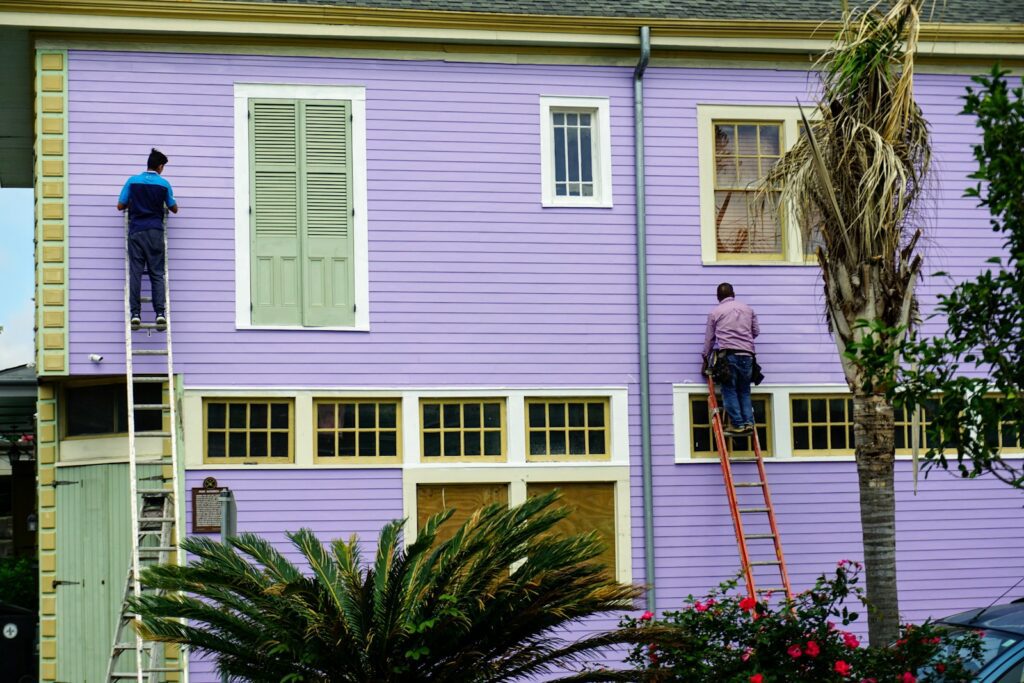
Why one side of the house goes first
Sun exposure is the single biggest variable contractors point to when a paint job fails ahead of schedule. UV radiation breaks down the resin binders that hold pigment to a surface, and that breakdown happens faster on walls that face south or west and take direct afternoon light for most of the year. Lighter colors reflect more of that radiation and tend to hold up longer, while dark, saturated colors absorb it and fade or chalk sooner. That’s why a house can look freshly painted from the street and be visibly cracking or fading on the side a visitor never sees. Angi’s guidance to homeowners lists fading, cracking, powdering, and bubbling as the clearest signs a repaint is overdue, and those signs frequently show up on one exposure before the rest of the house follows.
The resale angle homeowners miss
Curb appeal is one of the first things a buyer or an appraiser registers, and a home with visibly aging paint on even one elevation reads as deferred maintenance, whether or not the rest of the house is in good shape. Buyers touring in person tend to extrapolate: if the exterior wasn’t kept up, what else got skipped? That perception can cost more in a negotiated price cut than the repaint itself would have cost. A full exterior repaint on an average single-family home typically runs into several thousand dollars, but it’s usually far cheaper than the discount a buyer will mentally apply once they’ve clocked chalky, peeling siding on the drive up.
How to actually check your own house
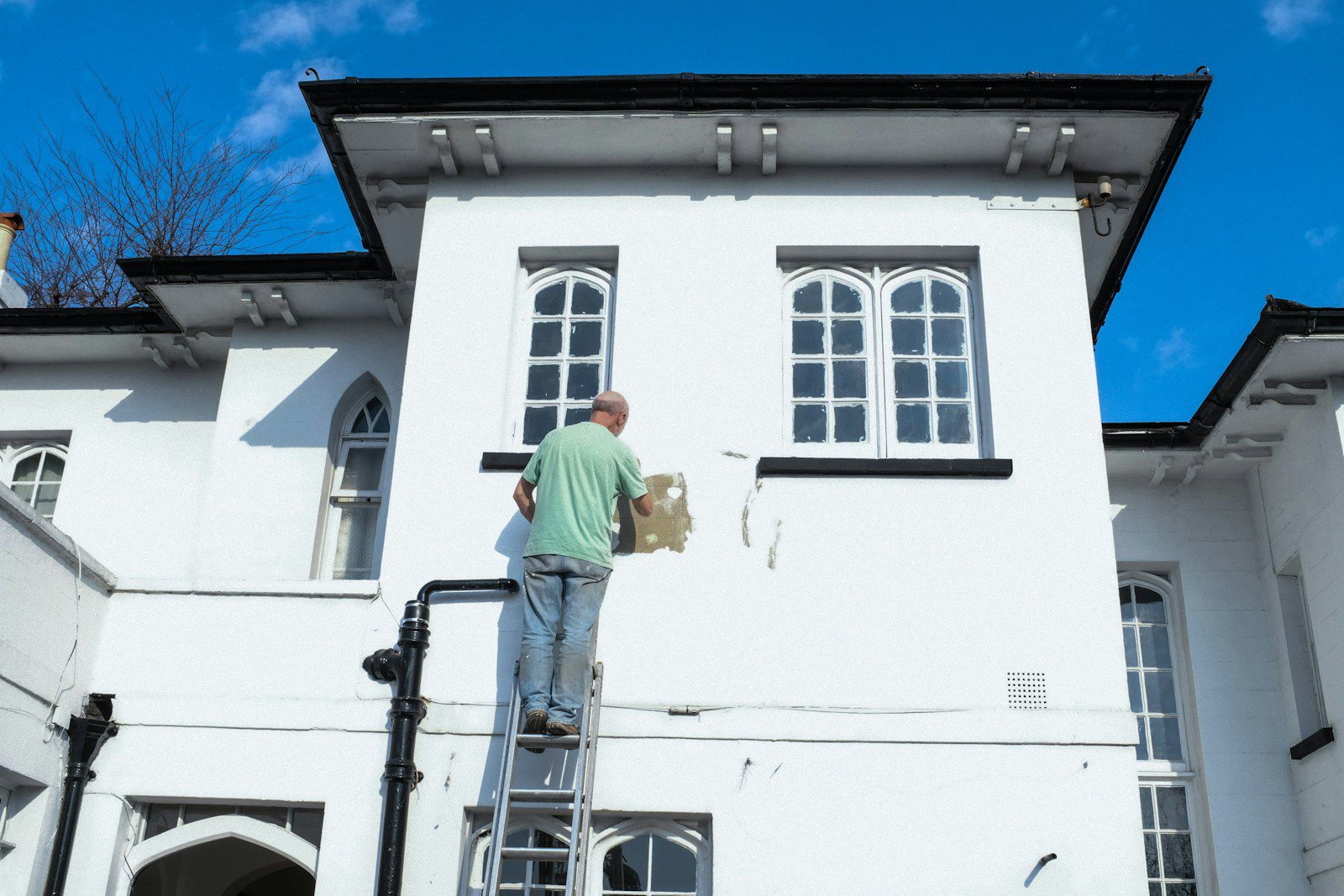
Contractors doing a paint inspection don’t just eyeball the front elevation from the sidewalk. They walk the full perimeter, checking window trim, the side that gets afternoon sun, and any wall near a downspout or sprinkler head where moisture lingers longest. A simple test: press a fingernail lightly into the paint on a south or west wall. If it leaves a chalky white residue on your finger, the surface coating has already started breaking down even if the color still looks acceptable from a distance. Cracking that follows the grain of wood siding, rather than a random spiderweb pattern, usually means moisture is getting underneath the paint film itself, which is a repaint-soon signal rather than a wait-and-see one.
Material type shifts the timeline too. Wood siding needs the most frequent attention, often every three to seven years, while stucco and vinyl can stretch closer to a decade under good conditions and painted brick can go fifteen to twenty years between coats. None of those figures assume one wall is baking in full sun while another sits in permanent shade, which is exactly the situation on most homes with any orientation other than a perfect north-south split.
The homeowners who get caught off guard aren’t ignoring their paint job. They’re just checking the side of the house that still looks fine.