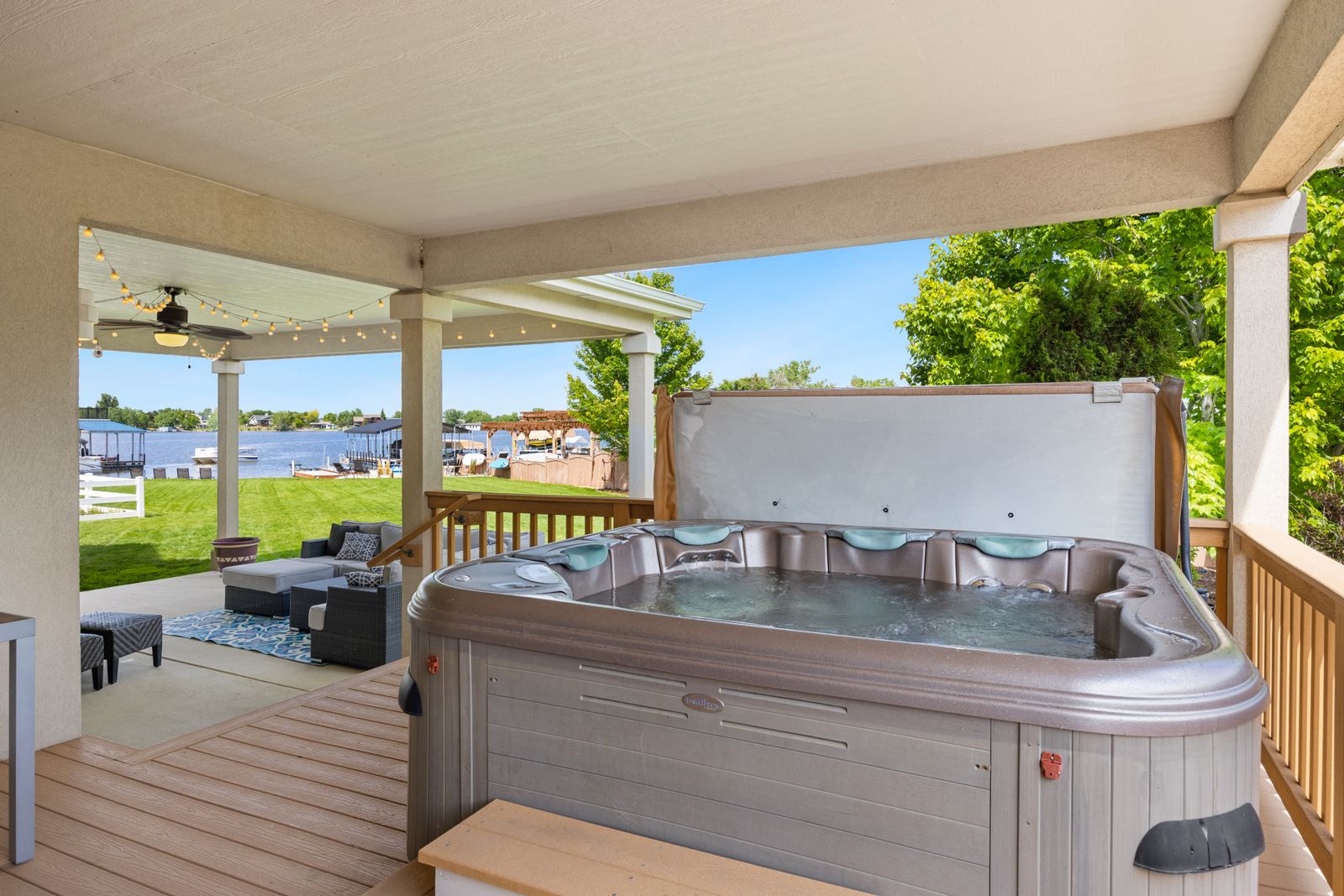
A homeowner who just spent $6,000 on a backyard hot tub, plus another few hundred a month keeping it running, tends to assume that money is at least partially coming back at closing. Appraisers say it usually isn’t. Cleveland-area appraiser Jamie Owen told HomeLight that after appraising many homes with built-in hot tubs, “I really didn’t see any major value add on their own,” and freestanding models fare worse still. It’s a gap between expectation and paperwork that shows up at exactly the wrong moment, in the middle of a sale, not before the purchase.
What a hot tub actually costs to own
The upfront number alone is bigger than most people budget for going in. HomeAdvisor puts the average hot tub cost around $6,000, with a standard range between $2,000 and $11,000 depending on size and features, and installation labor alone running $650 to $6,100 once electrical work and any deck or pad modifications are added in. That’s before ongoing costs. Annual upkeep runs $500 to $1,200 a year between electricity, chemicals, and periodic professional cleaning, and per-incident repairs add another $160 to $500 whenever a pump, heater, or cover starts to fail. Add it up over a decade of ownership and the all-in number for many households lands well north of $10,000, all spent on an amenity appraisers routinely value at close to zero.
Why appraisers treat it differently than homeowners do
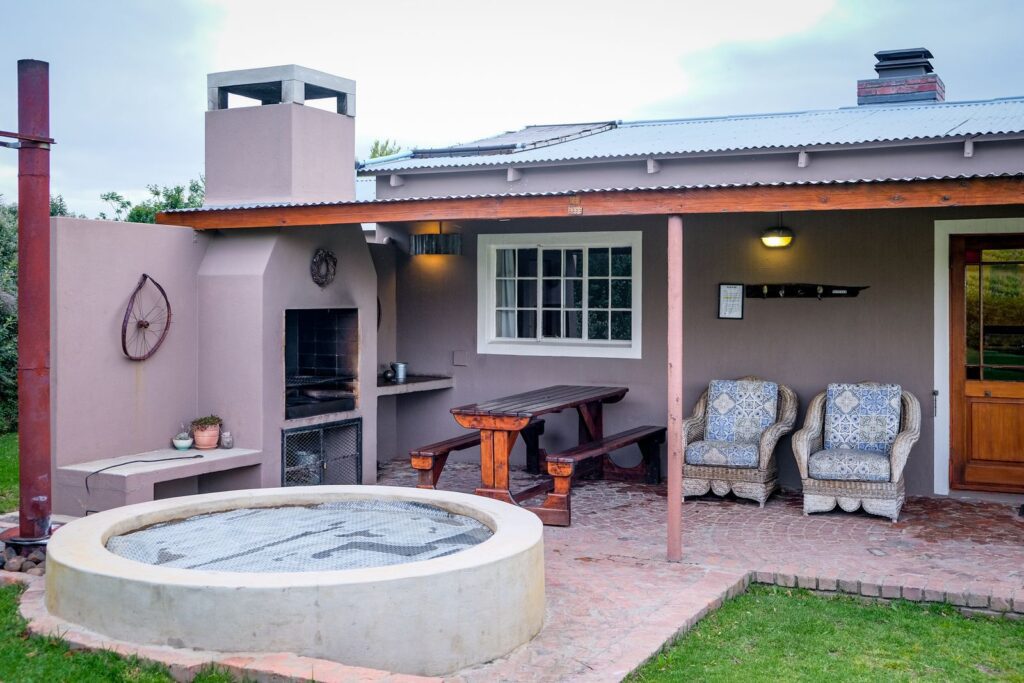
The disconnect comes down to how appraisals actually work. A built-in hot tub gets folded into a broader landscaping and hardscaping evaluation, with value assigned to the surrounding stonework and yard construction rather than the tub itself, according to Owen. A freestanding hot tub is treated as personal property entirely, the same category as a grill or patio furniture, meaning it typically isn’t factored into the home’s valuation at all. That distinction matters enormously to a seller expecting a bump in the appraisal. It also explains why the resale math on the tub itself is so lopsided: HomeLight reports that sellers who try to recoup cost by selling a used hot tub separately typically recover only 25% to 33% of what they originally paid, even for units in full working condition, with well-maintained models often moving for $1,000 to $3,500 on the secondhand market regardless of a much higher purchase price.
The one scenario where it still helps
None of this means a hot tub is a wasted purchase for every household, just a mispriced one if resale value is the justification. Buyers do respond to a well-integrated, well-maintained hot tub as part of an overall backyard that shows well, and a tub that’s clean, functional, and built into an attractive patio can help a home sell faster even without adding a specific dollar figure to the appraisal. The math changes entirely, though, if the tub is neglected. Owen notes that a broken-down, non-functioning built-in unit can actively hurt an appraisal, and even a freestanding tub that’s become an eyesore in the yard can work against a sale despite carrying no formal value of its own.
What this means for the buying decision
The honest framing, according to the appraisal data, is that a hot tub is a lifestyle purchase, not an investment one. Homeowners who buy one because they’ll use it several times a week for years are getting fair value for the money regardless of what happens at resale. Homeowners buying one specifically because a real estate agent or a home improvement calculator suggested it would boost their sale price are working from an assumption the appraisal data doesn’t support. The gap between those two mindsets is exactly where the disappointing conversation with an appraiser tends to start.
There’s a regional wrinkle worth knowing too. In warm-weather markets where in-ground pools and outdoor kitchens are standard buyer expectations, a hot tub barely registers as differentiating, since it’s competing against much larger backyard investments for a buyer’s attention. In colder climates, a working hot tub can be a more novel selling point simply because fewer comparable homes have one, though even there, agents describe it as something that helps a listing photograph well rather than something appraisers price into square footage or lot value. The instruction real estate agents give sellers most often is to treat a well-kept hot tub the way they’d treat a nice fire pit or an outdoor kitchen: a feature that helps a buyer picture living there, not a line item on the comparative market analysis.
What sellers can actually do about it
Homeowners planning to sell within a few years have a more useful question to ask than whether the tub adds value: whether removing it before listing would help more than keeping it. A tub in good condition, properly wired and maintained, is unlikely to hurt a sale and may help it move faster, so there’s rarely a reason to rip one out. But a tub that’s aging out, developing the kind of cosmetic wear that signals a coming repair bill to a buyer’s inspector, is a different calculation, since an unmaintained feature with zero appraised value is pure downside at that point. The decision isn’t about the tub’s resale math at all once it reaches that stage. It’s about whether it’s helping the house show well or quietly working against it.
The tub itself was never going to be the thing that raised the number on closing day. The stonework around it, or nothing at all, generally is.