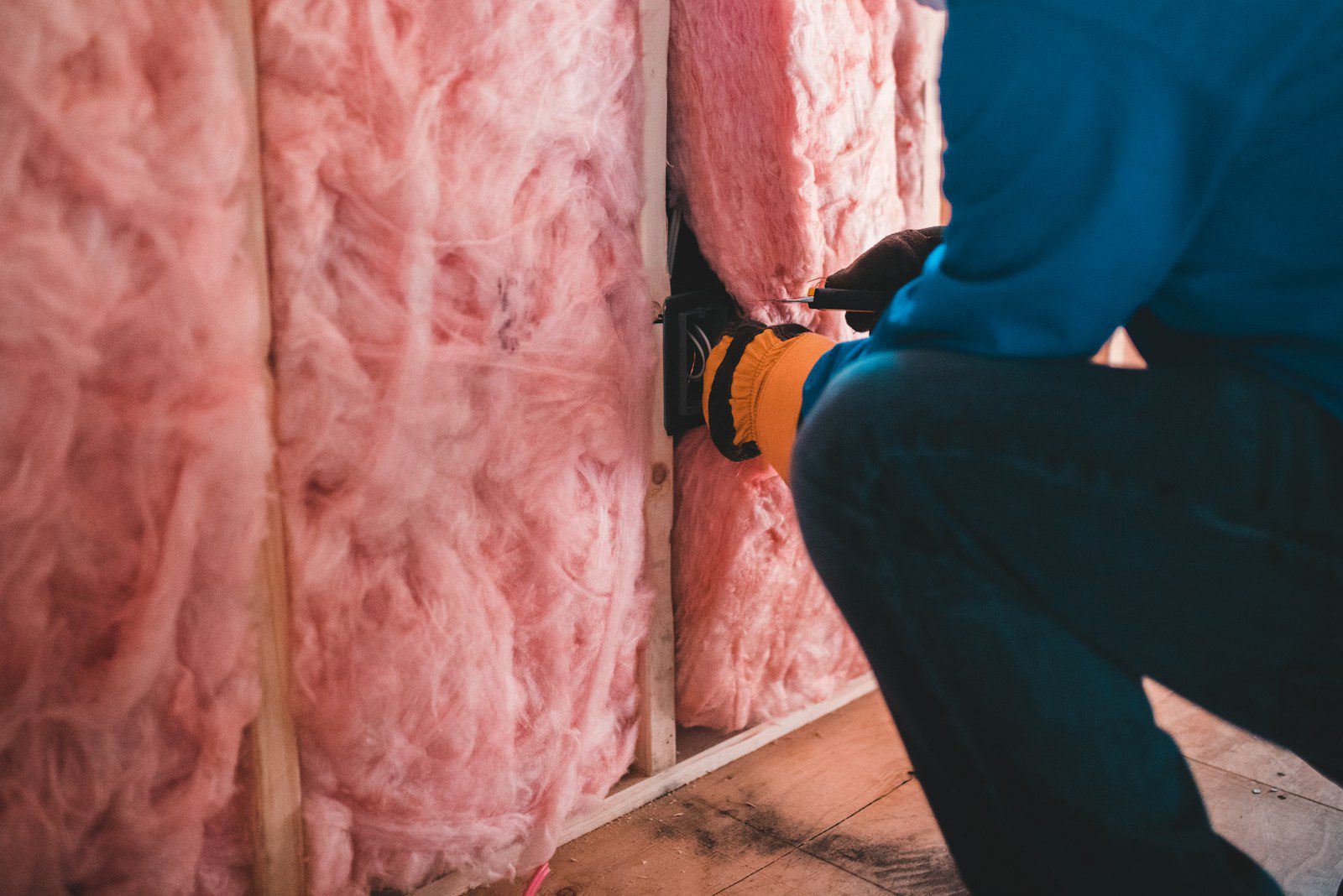
Attic insulation now runs about $2,100 on average, according to Angi’s 2026 cost data, with most jobs falling between $1,700 and $2,500 depending on attic size and material. Priced per square foot, that works out to roughly $1 to $3 installed. The payoff shows up on the heating bill fast: homeowners who properly seal air leaks and insulate their attic save an average of 15% on heating and cooling costs, or about 11% on total energy costs, according to ENERGY STAR’s data on attic sealing and insulation. For a project that typically pays for itself within a handful of winters, it’s one of the more overlooked upgrades homeowners can make this fall.
What Drives the Price
Attic size is the obvious cost driver, but insulation type matters just as much. Blown-in insulation runs $1 to $4 per square foot and is the go-to choice for retrofitting an existing attic with irregular framing, since it can be blown into tight spaces without major disassembly. Batt insulation costs slightly more at $2 to $4 per square foot but installs faster in open, accessible attics. Spray foam sits at the premium end, $2 to $5 per square foot, and delivers the best air-sealing performance of any option since it expands to fill gaps that loose-fill materials can’t reach. On top of material costs, removing old, degraded insulation adds $1 to $1.50 per square foot, and air sealing gaps around plumbing stacks, wiring penetrations, and the attic hatch typically adds another $250 to $750 to the project.
Cost by Attic Size
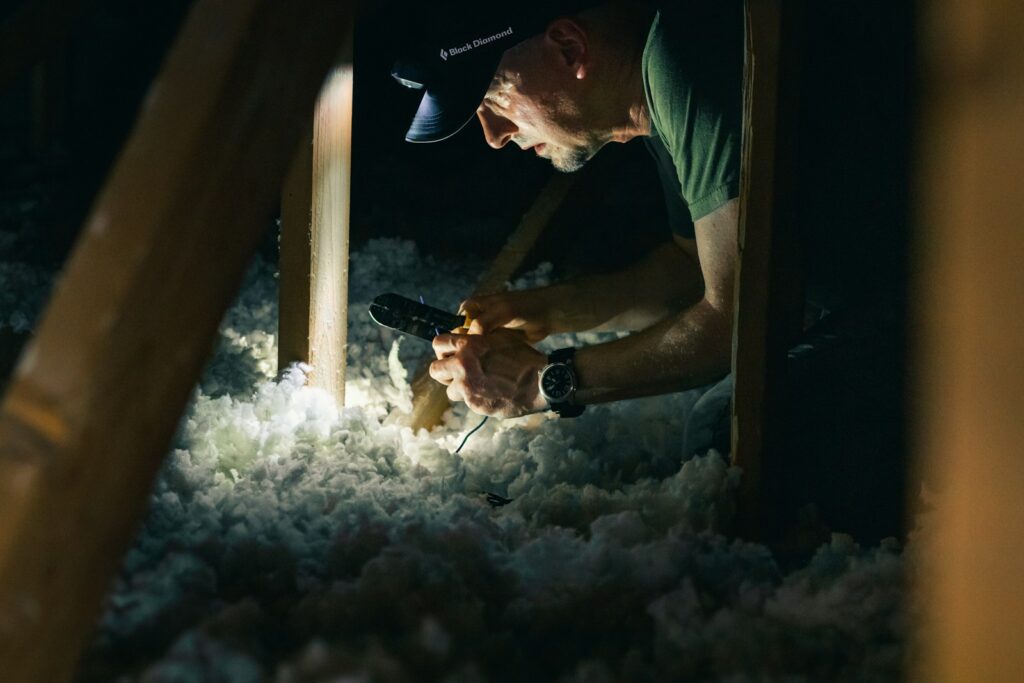
A small 300-square-foot attic runs $300 to $900 to insulate, while a mid-size 800-square-foot attic climbs to $800 to $2,400, according to Angi’s size-based breakdown. Larger homes with 1,500-square-foot attics can expect $1,500 to $4,500, which tracks roughly linear with square footage once material and labor rates are set. Homeowners should budget for an inspection too, typically $100 to $300, since a contractor needs to assess existing insulation depth, identify air leak locations, and check for moisture or pest damage before quoting the job accurately.
The Real ROI
The 15% heating-and-cooling savings ENERGY STAR cites isn’t a one-time bump: it compounds every winter and summer for as long as the insulation performs, which for most materials is decades before it needs replacing or topping off. On a typical $2,100 project, even a modest annual energy bill in the $2,000 range means the insulation could pay for itself in energy savings within roughly six to seven years, with every year after that pure savings. Homes with older or insufficient insulation (anything installed before modern R-value standards, or attics where insulation has settled and compressed over decades) tend to see the steepest improvement, since the baseline they’re improving from is so poor.
When to Call a Pro vs. DIY It
Batt insulation is reasonably DIY-friendly for a homeowner comfortable working in a cramped attic space with proper safety gear, since it mostly involves cutting material to fit between joists. Blown-in and spray foam insulation require rented or specialized equipment that makes professional installation the more practical choice for most homeowners, and spray foam specifically involves chemical components that are genuinely risky to apply without training and proper ventilation. Air sealing (caulking gaps, sealing the attic hatch, weatherstripping) is worth doing regardless of who handles the insulation itself, since gaps left unsealed undercut even a professionally installed insulation job.
Fall is when this project earns its keep fastest: insulation installed before the first cold snap starts saving on the very next heating bill, rather than sitting idle through a season where the gap between indoor and outdoor temperature barely matters.
Financing and Rebates
Because attic insulation is a relatively modest project compared to something like a full HVAC replacement, most homeowners simply pay out of pocket or put it on a low-interest home improvement credit card rather than seeking dedicated financing. What’s worth checking first, though, is whether a rebate offsets the cost before financing enters the picture at all. Many utility companies and state energy offices offer rebates or tax incentives for insulation upgrades that meet certain R-value thresholds, and stacking those against the roughly $2,100 average project cost can meaningfully shrink the number a homeowner actually pays. Regional climate also shifts the calculation: homes in colder northern states typically need higher R-value insulation to hit recommended standards, which raises material cost per square foot compared to milder climates, but those same homes also see the largest percentage savings on heating bills since there’s a bigger temperature gap to defend against in the first place.