A roll of weatherstripping costs about $10 at any hardware store, and according to Angi’s 2026 cost data, sealing gaps around doors and windows with it can cut a home’s annual energy bills by up to 20%, a figure Angi attributes to U.S. Department of Energy research on air leakage. Yet most homeowners have never once checked their own doors and windows for the gaps that let conditioned air escape. It’s one of the cheapest fixes in home maintenance, and also one of the most consistently skipped, mostly because a drafty door frame rarely announces itself the way a broken appliance or a leaking pipe does.
What Drives the Savings
Air leakage around doors, windows, and other penetrations is one of the largest sources of energy waste in an average home, since heated or cooled air escaping through gaps forces the HVAC system to run longer and harder to maintain the thermostat setting. Weatherstripping physically closes that gap, whether it’s foam tape, a V-strip, or a door sweep sealing the space under an exterior door. Angi’s data notes that well-weatherstripped doors alone can save 10% to 15% on annual energy costs, with the fuller 20% figure reflecting a more comprehensive sealing job across multiple doors and windows in a home. The savings scale with how leaky the home was to begin with: an older home with original single-pane windows and worn door seals stands to gain far more than a newer, tightly built one.

Cost by Material and Approach
DIY weatherstripping materials run $15 to $60 per door, according to Angi’s breakdown, covering everything from basic adhesive-backed foam at $35 to $80 per door installed, to more durable tubular rubber gaskets at $50 to $120, up to premium metal bronze weatherstripping at $100 to $300 for homeowners who want something that lasts decades rather than a few seasons. Professional installation runs $75 to $200 per door when labor is included, though this is squarely a project most homeowners can tackle themselves in under an hour per door with basic tools. Windows follow a similar material logic, with simple foam or V-strip options costing only slightly more than the door equivalents.
The Real ROI
Few home projects offer a return this fast. A $10 roll of foam weatherstripping applied to a single drafty door can start paying for itself within the first heating bill it affects, and a full-home weatherstripping pass, every exterior door, every operable window, typically costs less than $200 in materials for an average home while delivering that 10% to 20% reduction in energy costs for as long as the material holds up, often several years before it needs replacing. Compared to bigger-ticket energy projects like new windows or attic insulation, which can take years to pay back their upfront cost, weatherstripping is the rare home improvement that’s both cheap and immediate.
Finding the Gaps
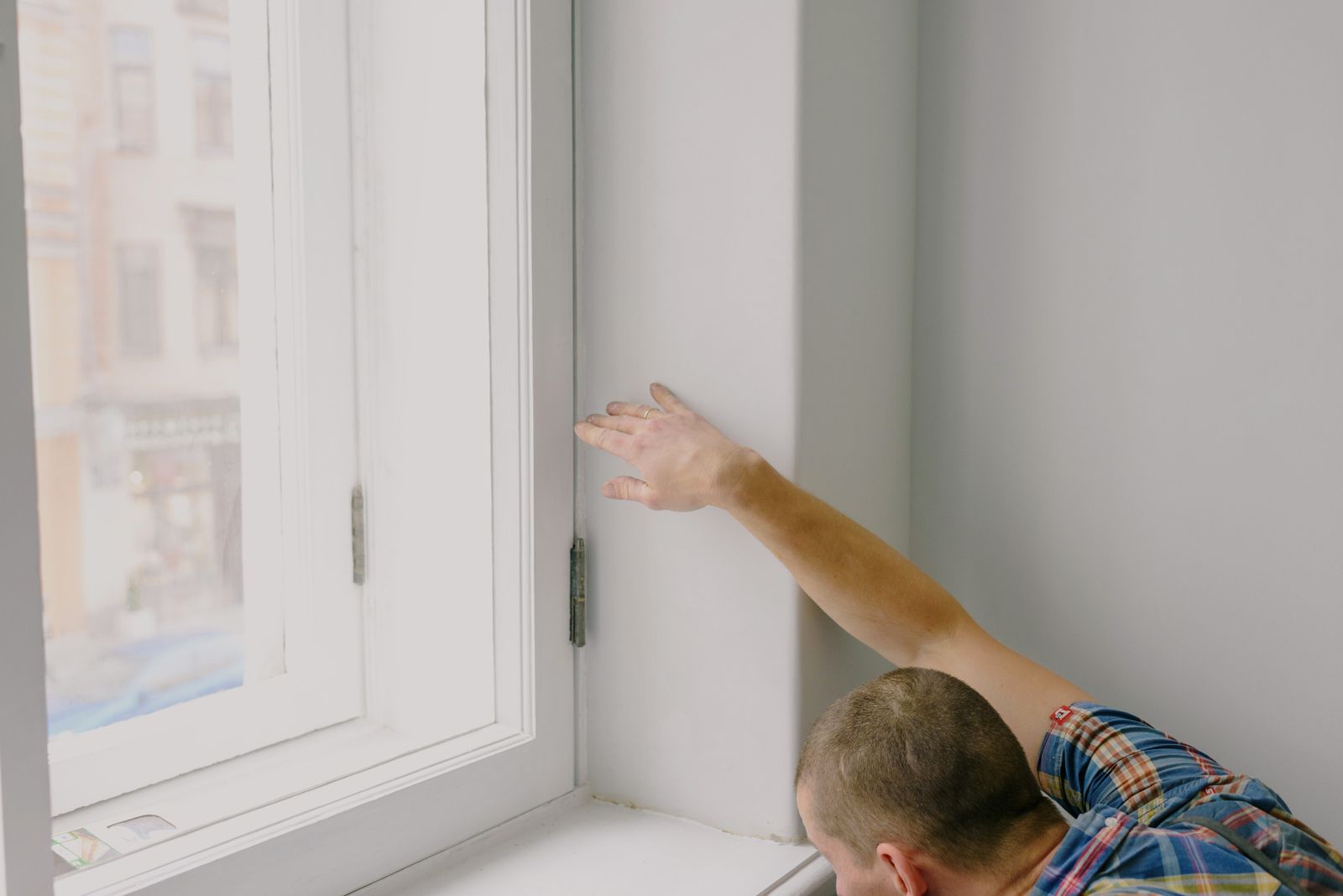
The simplest way to check for drafts is the candle or incense-stick test: hold a lit candle or stick of incense near the edges of a closed door or window on a windy day, and watch where the flame or smoke flickers. That’s where air is leaking through. A dollar bill test works too: close a door or window on a dollar bill and see if it slides out easily, which signals a seal that isn’t making proper contact. Most homes have at least a few gaps around exterior doors, attic hatches, or older double-hung windows that have never been checked, simply because these spots are easy to overlook in day-to-day life and don’t fail dramatically the way other home systems do.
What weatherstripping demonstrates is how disconnected home maintenance costs are from home maintenance impact: the cheapest fix on this entire list delivers one of the fastest and most reliable returns, precisely because almost nobody bothers to do it.
When It’s Time for More Than a Roll of Foam
Weatherstripping fixes the seal, but it can’t fix a warped door frame, a cracked window pane, or wood that’s rotted enough to no longer hold a tight seal at all. If fresh weatherstripping still doesn’t stop a draft, that’s usually a sign the underlying door or window itself needs attention, whether refinishing, re-hanging, or in more serious cases, full replacement, which is a far bigger expense than the sealing materials themselves. For most homes, though, the fix really is that simple: a homeowner willing to spend an afternoon and a trip to the hardware store can address the majority of drafts in a typical house without ever calling a contractor, which is part of why energy experts consistently point to it as the highest-value, lowest-cost project on any seasonal home maintenance list.