A cluttered home does not just look busy. It can feel busy in your body too.
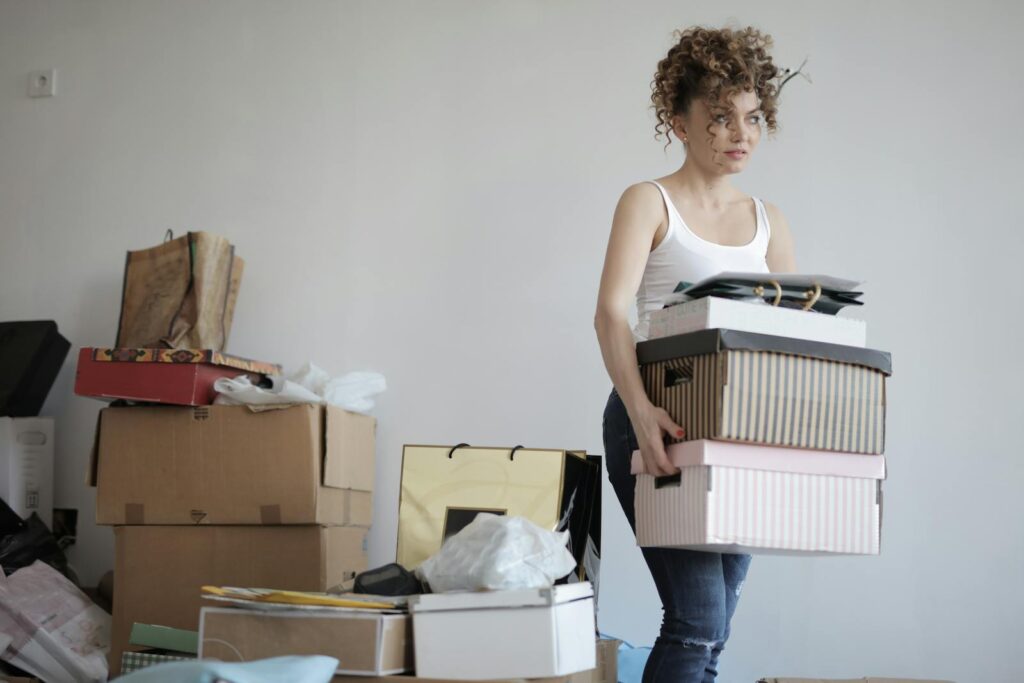
That is the part a lot of moms recognize before they can fully explain it. The shoes by the door, the paper pile on the counter, the toys under the couch, the laundry chair that keeps growing, the random little things with no real home. None of it seems huge on its own, but together it can create a low, constant sense of strain that follows you from room to room. Research on household clutter and chaos has linked disorganized home environments with higher stress and sensory overload, and one UCLA family study found that mothers who described their homes as cluttered showed more stress-linked cortisol patterns.
That does not mean a home has to be spotless for a mom to be calm. It does mean the environment around her can shape how much bandwidth she has left.
Because being a present parent is not only about love or effort. A lot of the time, it is about whether your mind has enough space to stay where your body already is. Guidance on mindful parenting keeps coming back to small habits like noticing when you are already engaged, admitting when your attention has drifted, and reducing the things that constantly pull your brain elsewhere.
When the room is loud, your brain usually is too
This is why clutter can feel emotionally heavier than it “should.”
A messy room is rarely just visual. It is also a list of unfinished tasks. Put that away. Deal with that paper. Return that item. Sort that basket. Wipe that counter. Find a place for that thing. Even when you are trying to listen to your child tell a story or sit with them for a minute, part of your brain may still be scanning the room and tracking what is undone. Cleveland Clinic’s mental health guidance on decluttering notes that many people experience cleaning and organizing as stress-reducing precisely because the environment itself can contribute to feeling overwhelmed.
That is often what “not present” looks like in real life. Not a mom who does not care, but a mom whose attention is being split in ten directions by the space around her.
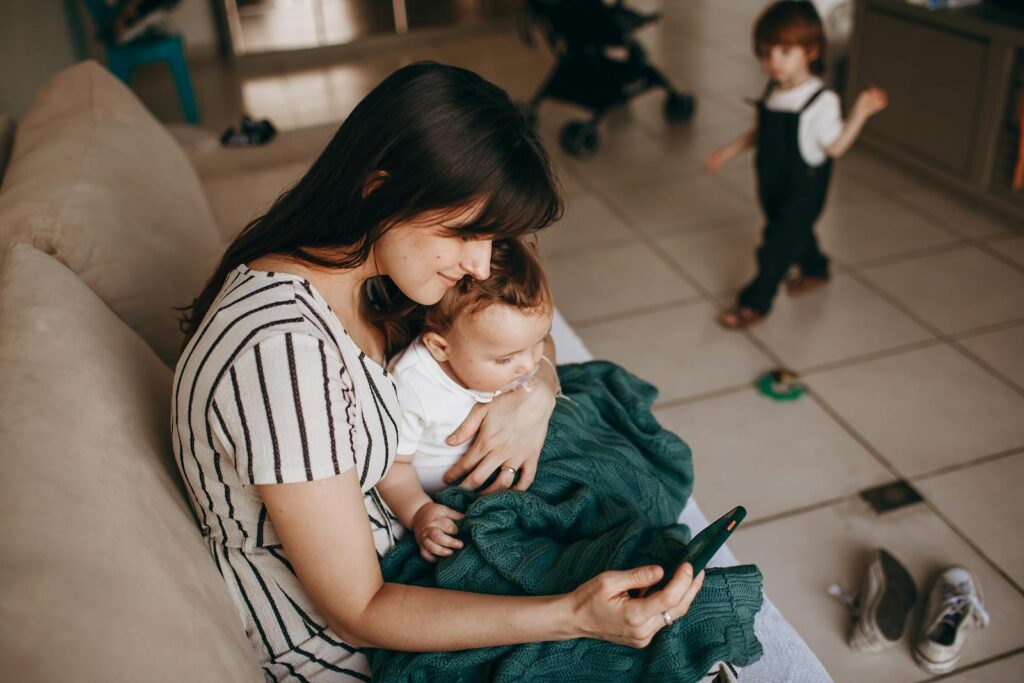
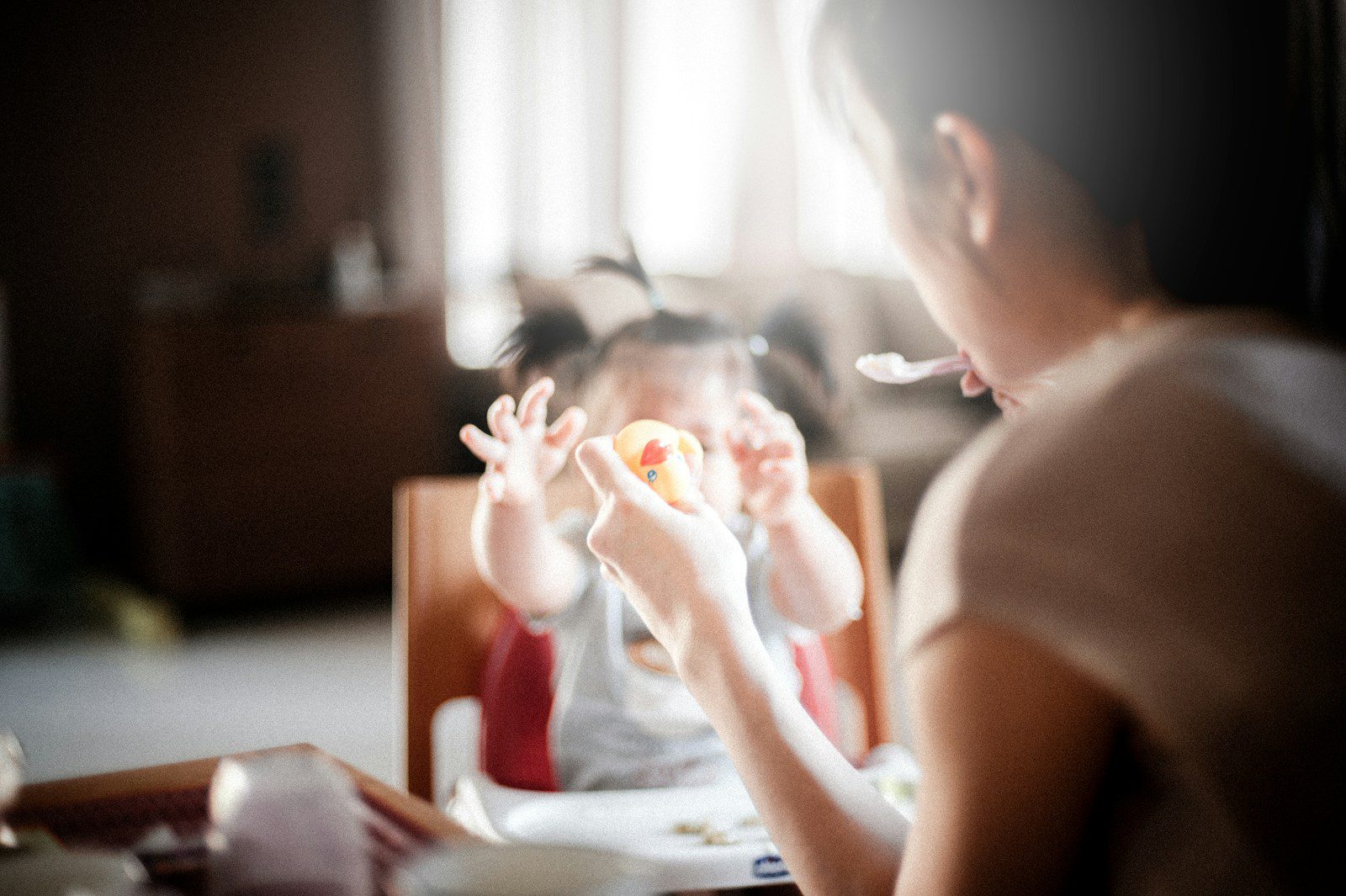
She is answering the question, but also noticing the sticky counter. She is sitting on the floor to play, but also thinking about the toy mess behind her. She is helping with homework while mentally replaying the dishes, the laundry, the unopened mail, and the lunch stuff still on the island. The love is there. The overload is there too.
Presence usually looks smaller than people expect
A more present parent does not have to become some perfectly serene version of herself.
Usually, it looks much simpler than that. It looks like making eye contact instead of half-listening while moving piles. It looks like finishing a conversation without checking the counter mid-sentence. It looks like reading the bedtime book without mentally editing tomorrow’s to-do list the whole time. Mindfulness-based parenting advice often emphasizes exactly these tiny returns to the moment: notice the distraction, name it, then come back on purpose.
That is why calmer spaces can help so much. Not because organization turns a mom into a different person, but because it removes some of the friction that keeps interrupting her.
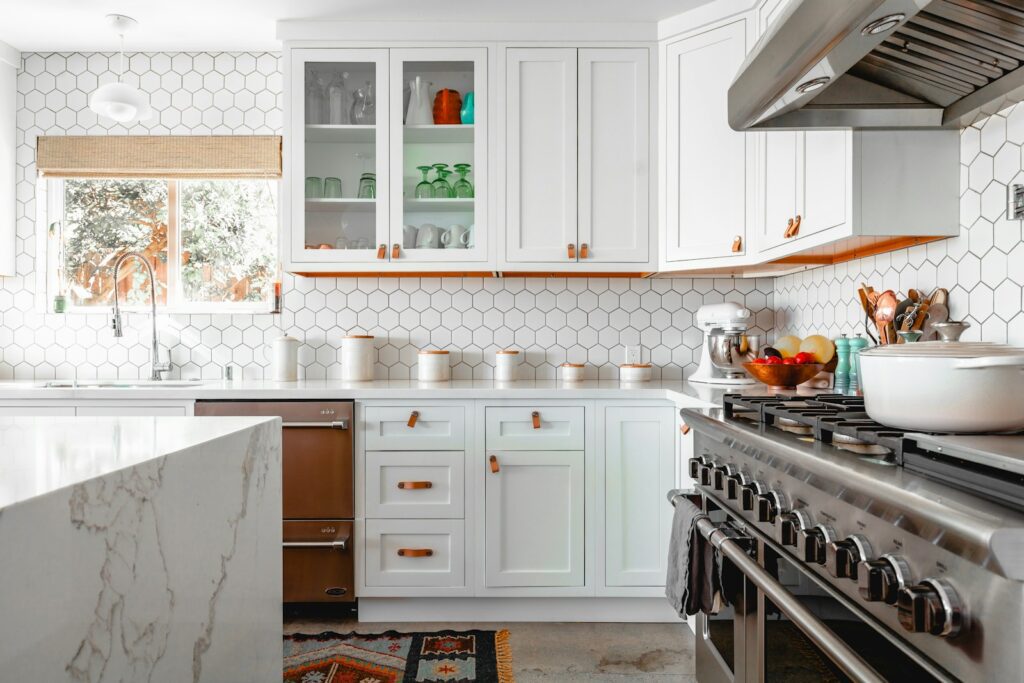
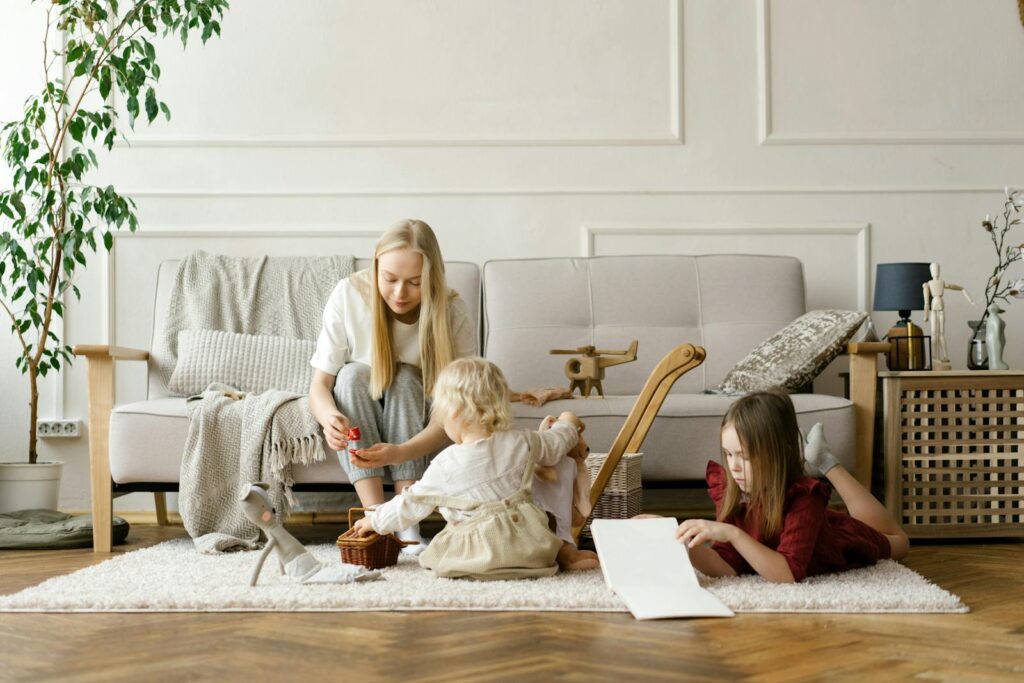
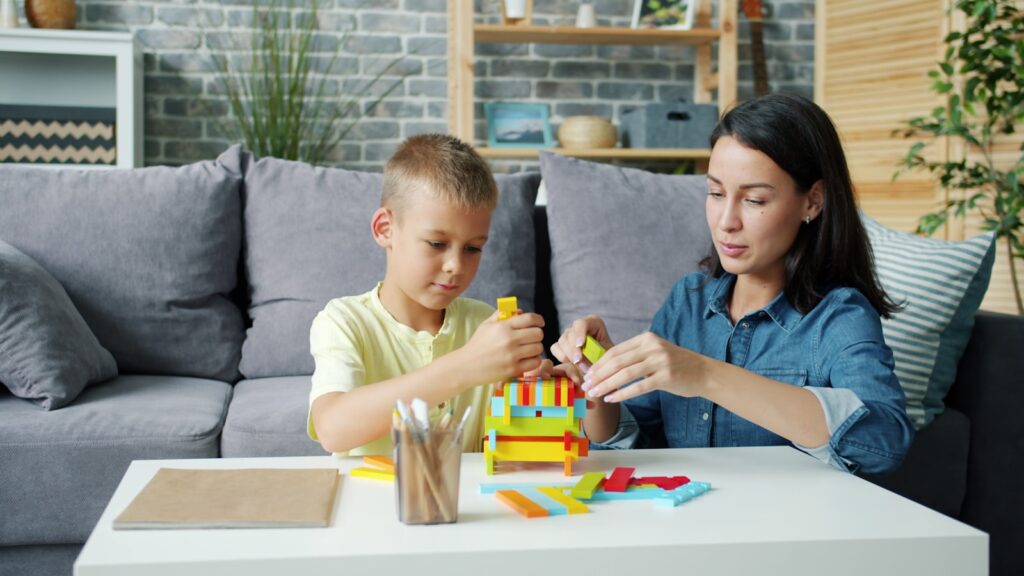
A cleared coffee table can make family time in the living room feel easier. An entryway that is not buried in shoes and bags can make the after-school hour feel less chaotic. A kitchen counter with fewer random piles can lower the background tension during dinner prep. Those are not just aesthetic wins. They are attention wins.
Small systems protect more than the house
This is where home organization starts mattering for more than appearances.
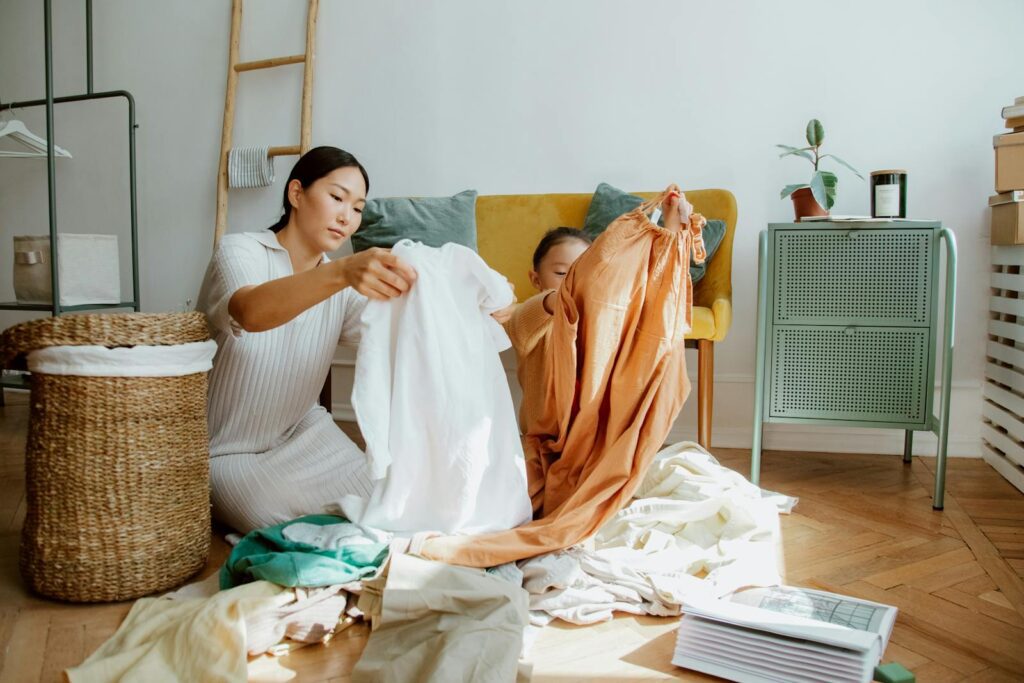
A basket for school papers does not only tidy the counter. It stops that paper pile from following you mentally all evening. A toy bin in the room where toys actually collect does not only make cleanup easier. It reduces the visual static that keeps telling your brain there is one more thing to handle. A tray for keys, receipts, and loose household junk does not only look neater. It cuts down on the little daily interruptions that add up fast in family life.
Research on household chaos describes it as more than mess. It includes clutter, noise, crowding, poor routines, and the general feeling of instability inside the home. In an experimental study, more chaotic environments produced higher physiological stress in a caregiving context.
That is why small systems matter so much. They do not have to be fancy. They just have to reduce the number of things your brain is trying to hold at once.
A calmer home does not mean a perfect one
This is probably the most important part.
The goal is not to create a house where nothing is ever out of place. That is not real life, especially with kids. The goal is to create enough ease that the home is not constantly pulling at your patience, your focus, and your nervous system.
An organized home calmer parent dynamic is not really about perfection. It is about fewer visual demands, fewer unfinished-task cues, and fewer moments where the environment itself is asking something from you before your child even does. That can make it easier to pause, listen, and respond with more intention instead of reacting from a place that already feels stretched.
And that is why even small resets matter.
One calmer corner. One usable counter. One less-chaotic drop zone. One basket that catches the papers before they spread. Those kinds of changes do not just support the house. They support the version of you that has a little more patience left when someone says, “Mom, watch this,” and means right now.
More from Decluttering Mom: