Before smartphones and speed dial, the steady click of a rotary phone was the soundtrack of every call. Tucked away in closets and attics, these once-ubiquitous devices are making a comeback—not for their functionality, but for their charm and collectible value. Whether you’re downsizing, thrifting, or just curious, that old rotary phone could be worth more than you think. In this article, we’ll explore the history of rotary phones, what makes them valuable, how to identify them, and whether it’s time to sell or proudly display yours.
What Is a Rotary Phone?

Rotary phones are analog landline telephones that use a rotating dial to send electrical pulses corresponding to each digit. Introduced in the early 20th century, they became household staples by the 1940s and remained popular until push-button models phased them out in the 1980s. The phones were usually manufactured by companies like Western Electric (especially the 500 series), Bell System, ITT, and Northern Electric. Known for their weight, durability, and mechanical simplicity, these devices became icons of American home life.
Why Grandma Never Let It Go
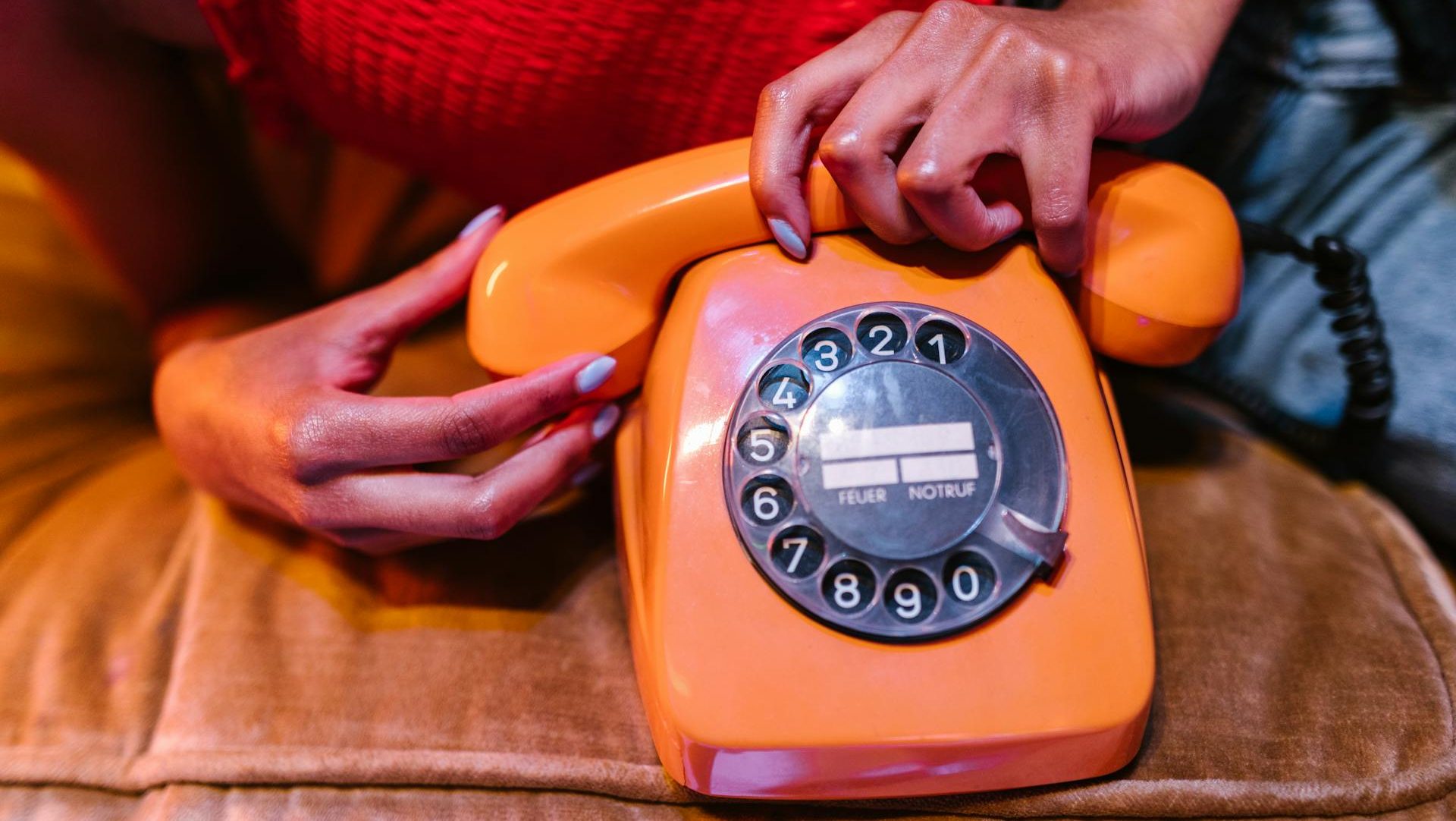
Rotary phones weren’t just tools—they were fixtures in the home. Some were rented from the phone company for decades and became part of the furniture. Their solid weight and satisfying dial made them feel reliable, even comforting. For many, the phone represented a connection to family and memories of long conversations stretched across a kitchen wall. As technology changed, many older generations hung onto their rotary phones out of nostalgia, practicality, or because—well—they just didn’t break.
What It’s Worth Today
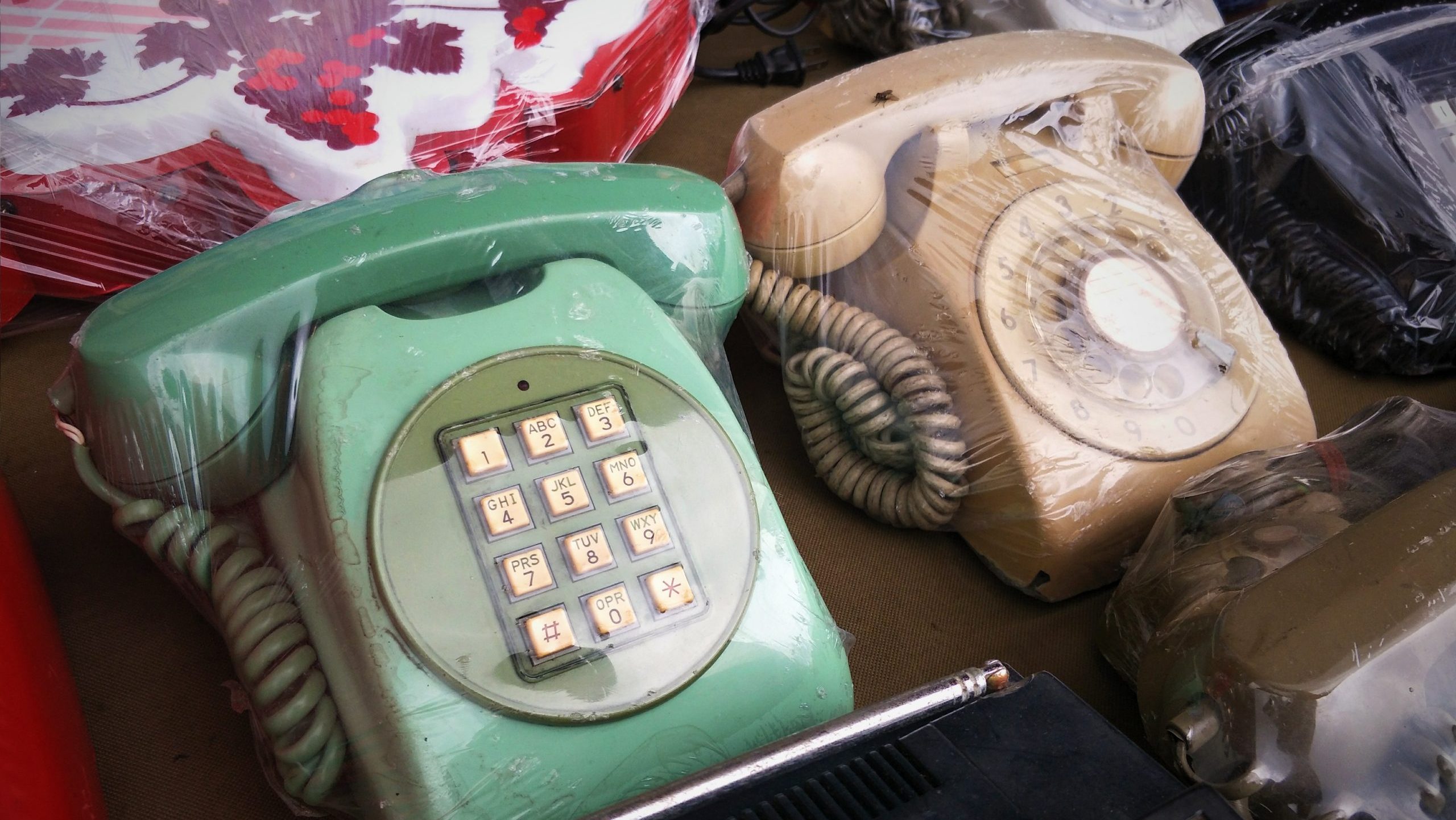
The value of a vintage rotary phone depends on the model, condition, color, and rarity. Common black Western Electric 500 series phones typically sell for $30–$75. Less common colors like pink, red, mint green, or turquoise can sell for $100–$300. Models with a working bell ringer, cloth cords, or limited-edition features (like clear housings) may fetch even more. Phones with original markings and components are most valuable. Check recent eBay sold listings for real-time values.
Popular Styles or Models Collectors Look For

- Western Electric 500 (1950s–80s): The most iconic rotary phone, known for its modular design and sturdy build.
- Western Electric 302 (1937–1955): Earlier “Art Deco” style model with a metal base and curved edges—very collectible.
- Colored Models (1960s–70s): Avocado green, harvest gold, or bright red versions command higher prices.
- Clear Housing Demonstration Phones: Rare, usually made for display purposes, often fetch $200+.
- Princess Phone: Smaller and designed for bedrooms, often in pastel colors—very desirable in pink or turquoise.
How To Identify a Valuable Rotary Phone
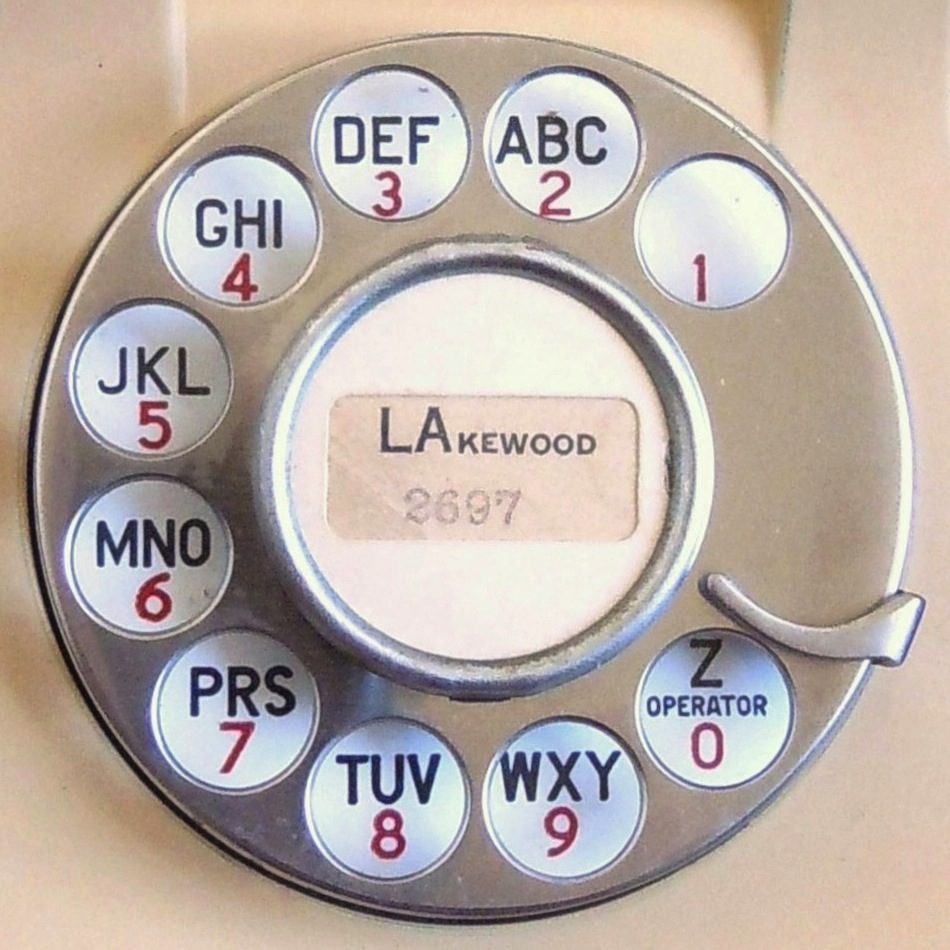
Flip the phone over and look for a model number, typically engraved or printed on a label. Western Electric phones often include “500,” “302,” or “554” as part of the number. Examine the dial—metal dials are older and more desirable than plastic. Colored cords and baseplates also point to original configurations. If the phone has been rewired, cleaned with harsh chemicals, or has mismatched parts, its value may drop. Paul-F.com offers detailed identification guides for Western Electric models.
Where To Find or Sell Rotary Phones

Estate sales, garage sales, flea markets, and thrift stores are still some of the best places to stumble across an affordable rotary phone. Online, eBay and Etsy have active resale markets, and vintage electronics forums may offer knowledgeable buyers. If selling, clean it gently and provide clear photos of the front, back, and dial. Mention whether it still rings or connects to a landline—working phones typically sell better.
Caring for Your Rotary Phone

Clean the phone using a soft cloth and mild soap; avoid abrasive cleaners that may damage the finish. Store it in a dry, temperate place to prevent rust or corrosion, especially around the dial and screws. If the phone is operable, use a surge protector if you plug it into a landline. Never attempt to repaint or “modernize” an original model—authenticity is key to value.
Should You Sell or Display It?
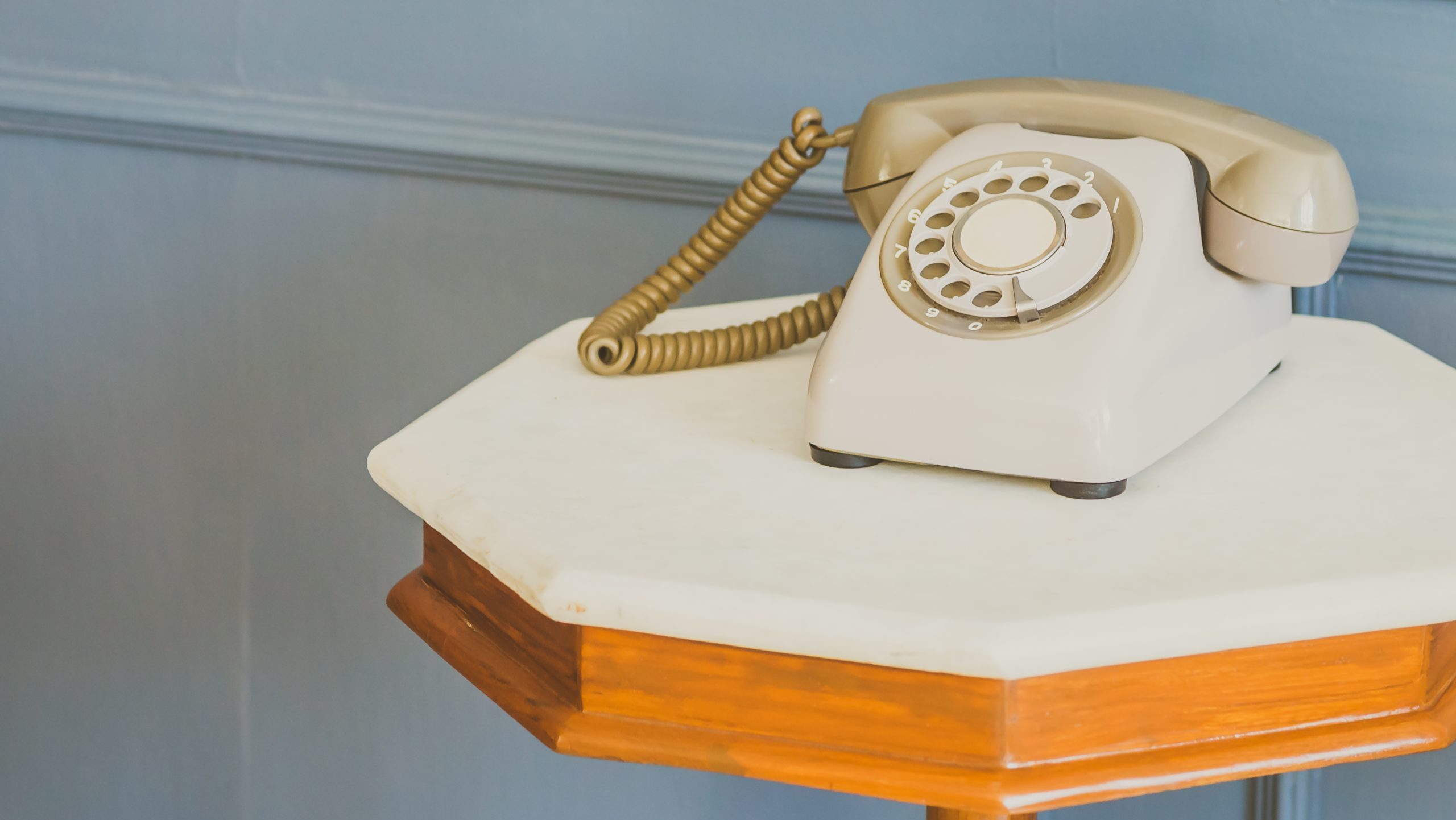
If your rotary phone is in great condition—especially in a rare color—it may be worth selling now while nostalgia is trending. On the other hand, these phones make excellent conversation pieces and vintage decor. If it holds sentimental value, consider displaying it on a shelf or as part of a gallery wall. If you do sell, remember to include details about functionality, originality, and cosmetic condition in your listing.
The Future of Rotary Phone Collecting

Interest in analog tech is rising as younger generations romanticize the pre-digital era. Vintage rotary phones, especially those in bold or pastel colors, are gaining popularity among decorators and tech collectors alike. As the supply of well-preserved models dwindles, values are likely to rise. If you’ve got one in a closet, now might be the perfect time to dig it out and assess its potential.
That old rotary phone might seem like a dusty relic, but it carries the echoes of a time when every ring brought anticipation and dialing required patience. Whether you choose to sell or simply appreciate its place in history, this forgotten piece of technology is more than a gadget—it’s a time capsule of design, durability, and human connection.