Long before we had the luxury of cranking up the AC, people had to get creative to beat the heat. From clever home hacks to downright quirky habits, staying cool in the summer took effort—and a little ingenuity.
Whether it was sitting on the porch with a fan in hand or hanging wet sheets in the window, here are 11 ways people kept cool before air conditioning came along.
Sleeping on Porches

Sleeping on porches was a popular way to beat the heat. It allowed you to stay cool while taking advantage of the evening breeze.
Porches often featured screens to keep insects at bay, making them a comfortable option for relaxation.
You could use lightweight bedding to keep cool during the night. This simple practice helped you enjoy a restful sleep without the stifling heat of indoor spaces.
Using Hand Fans
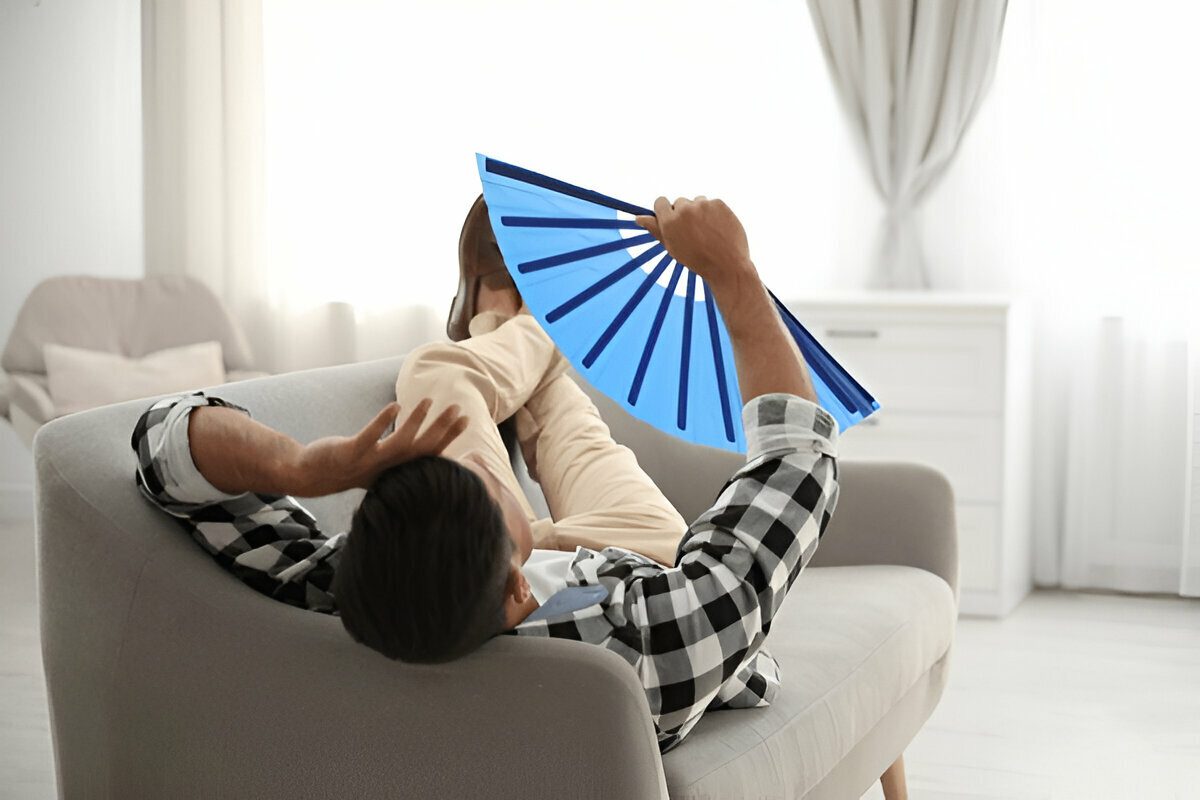
Hand fans have been popular for centuries as a means to stay cool. You can carry them easily, making them perfect for hot days or crowded places.
These fans are usually made from materials like paper, fabric, or leaves. You just need to flick your wrist to create a refreshing breeze.
In earlier times, decorative fans also served as a fashion statement. Choosing a lovely design means you can stay comfortable while adding a touch of personal style.
Building Homes with Thick Walls
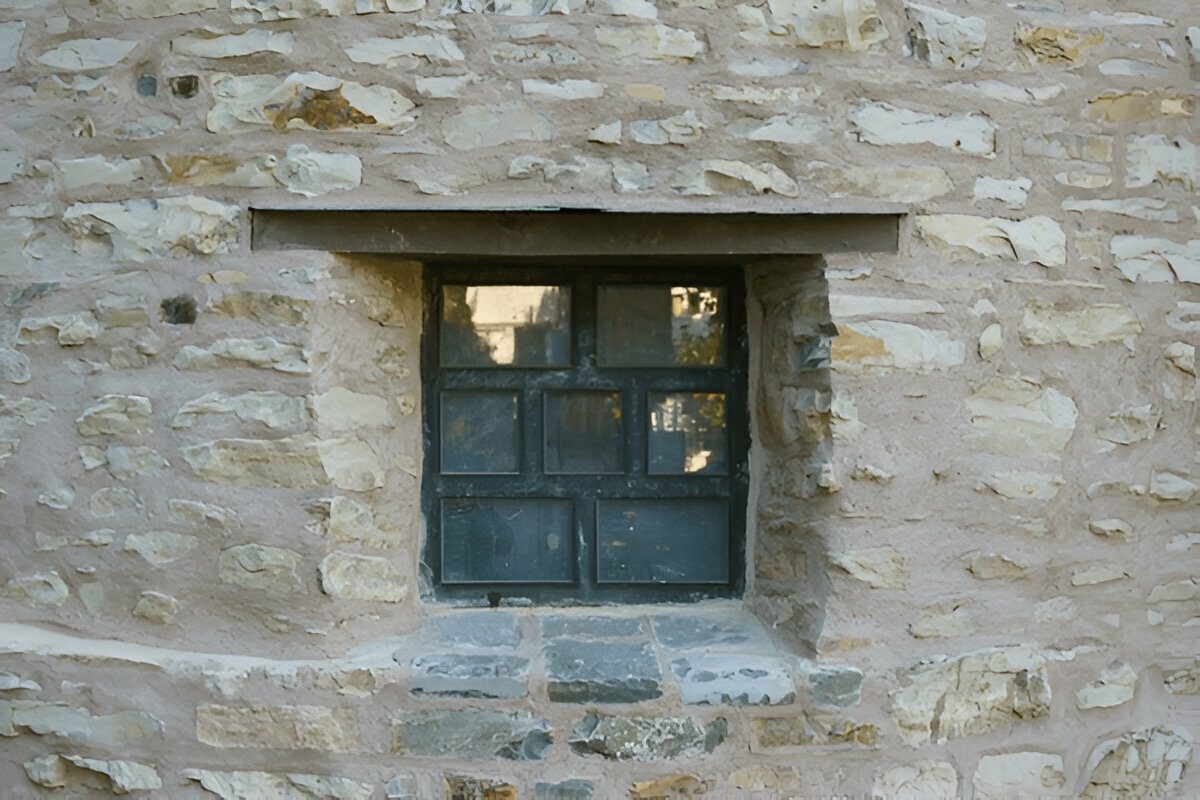
Thick walls help keep homes cool by acting as insulation. They can block out heat from the outside, maintaining a more comfortable indoor temperature.
In many traditional homes, such as adobe structures, walls can be remarkably thick—sometimes up to 18 inches. This design not only keeps interiors cooler but also protects against temperature fluctuations.
Using natural materials like stone and mud can enhance this effect. These materials absorb heat during the day and release it at night, allowing you to enjoy a more pleasant environment.
Hanging Wet Sheets in Doorways
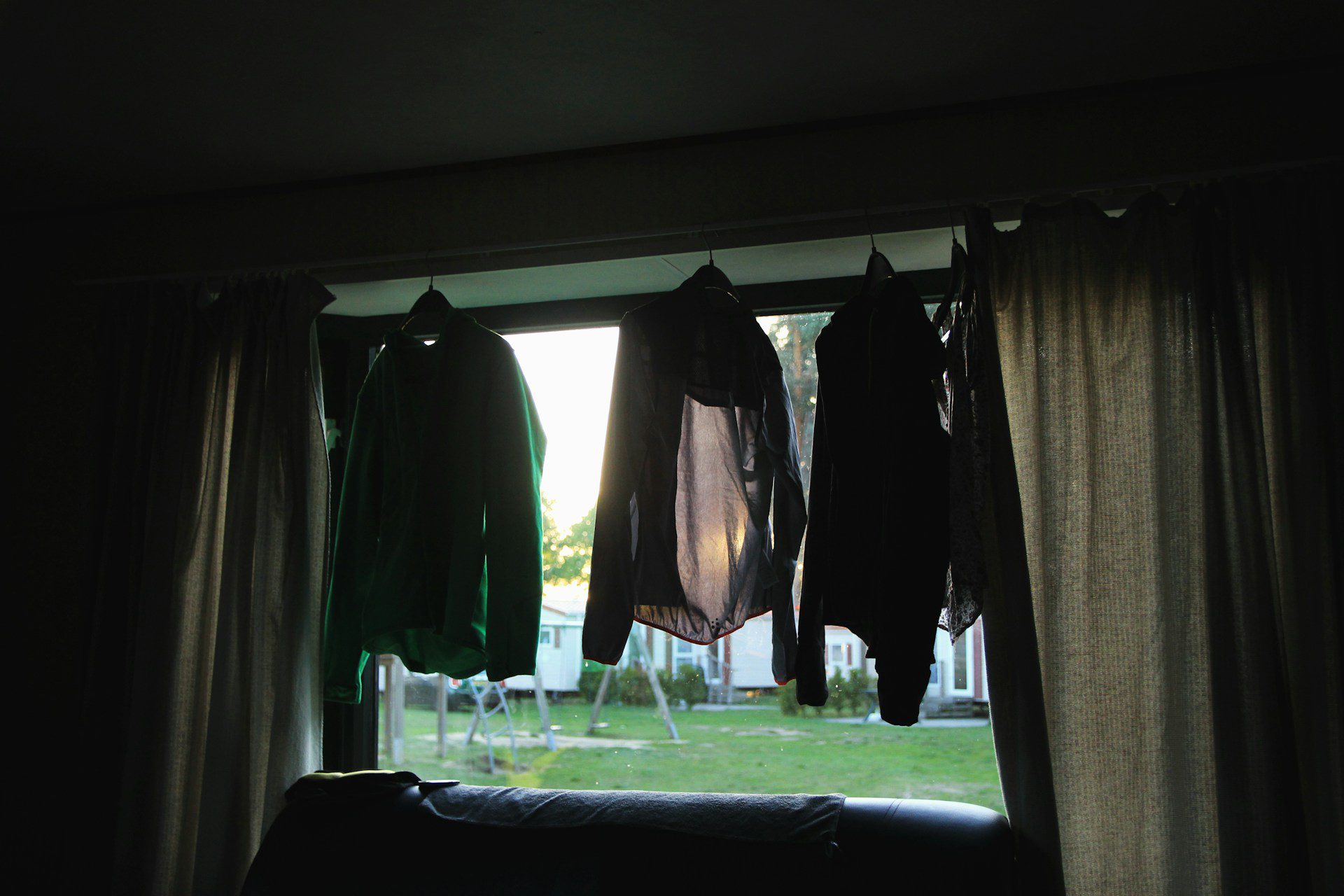
Hanging wet sheets in doorways is a simple yet effective way to cool down your living space. As the air passes through the damp fabric, it picks up moisture, resulting in a refreshing breeze.
This technique was common in ancient cultures, as it made use of basic principles of evaporation. You can easily try this method during hot days by soaking lightweight sheets and draping them over doorways.
Ensure the sheets are damp but not dripping to avoid water pooling on the floor. You’ll find that this natural approach cools the air and adds a unique charm to your home.
Taking naps in the shade

On hot days, you might seek out a cool, shaded spot to rest. This simple practice helps lower your body temperature and rejuvenates you.
Trees are great for this, providing natural shelter from the sun. A hammock strung between two sturdy branches can also be an inviting place for a quick nap. You can use shades from porches or awnings as well, making it easier to relax without overheating.
Napping in the shade not only offers relief from the heat but also allows you to enjoy the sounds of nature, making it a refreshing escape.
Wearing Loose, Natural Fabrics

When temperatures rise, what you wear can make a significant difference. Choosing loose-fitting clothing allows for better airflow around your body.
Natural fabrics like cotton and linen breathe easily compared to synthetics. They help wick away moisture, keeping you cooler and more comfortable during hot days.
Avoiding tight clothing reduces heat buildup, letting your skin stay refreshed. Embracing these fabrics is a simple yet effective way to beat the heat.
Designing Homes with High Ceilings
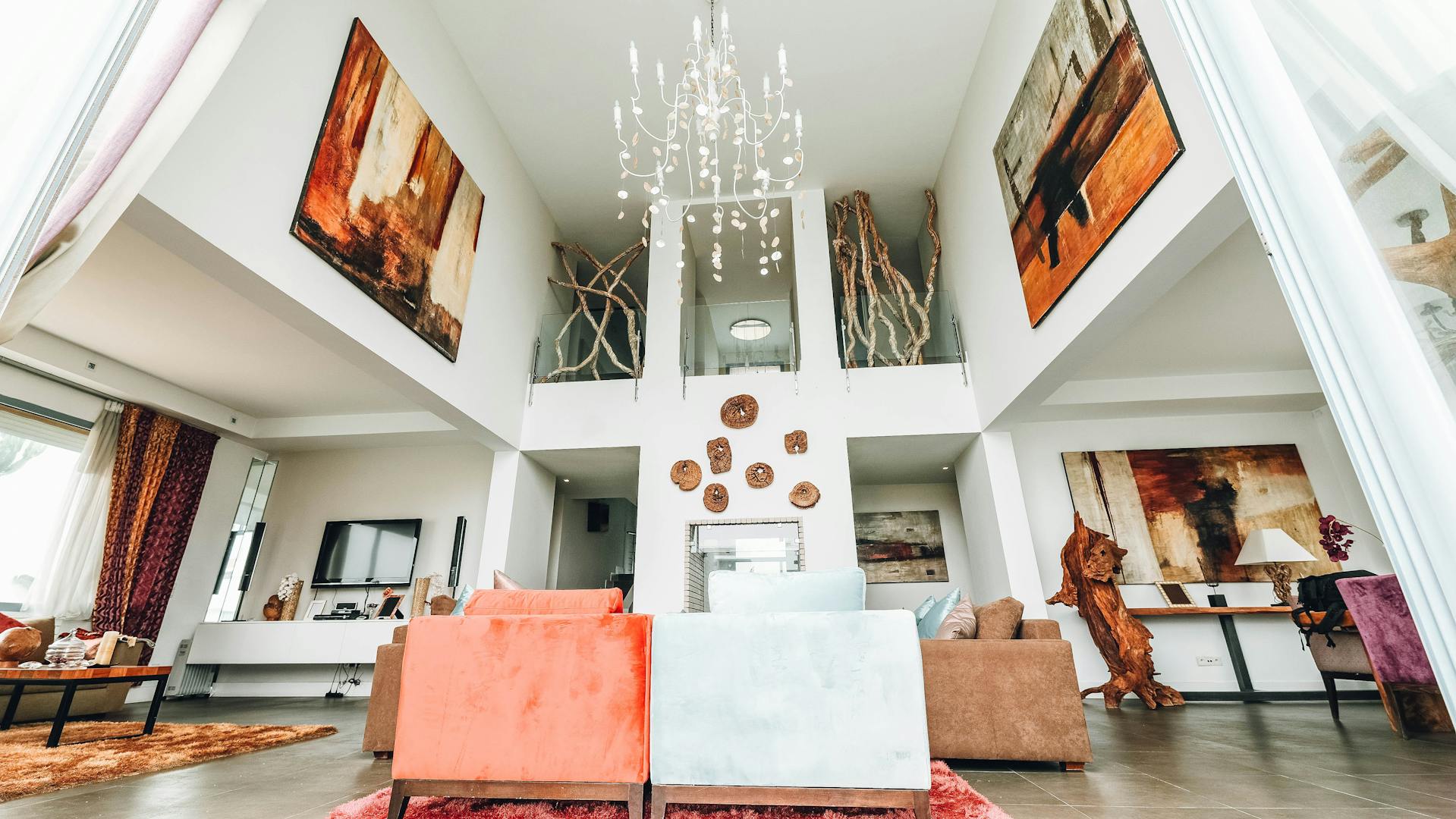
High ceilings can significantly improve air circulation in your home. When designed properly, they allow heat to rise, keeping your living spaces cooler.
You might consider ceilings that are 12 to 14 feet high. This height not only enhances airflow but also creates a feeling of spaciousness.
Adding features like ceiling fans can help distribute cool air effectively. Reversible fans work well, pulling heat away in summer and pushing it down in winter.
Incorporating large windows will also bring in natural light while providing ventilation options. This combination makes your home more comfortable during hot months.
Planting Trees for Shade
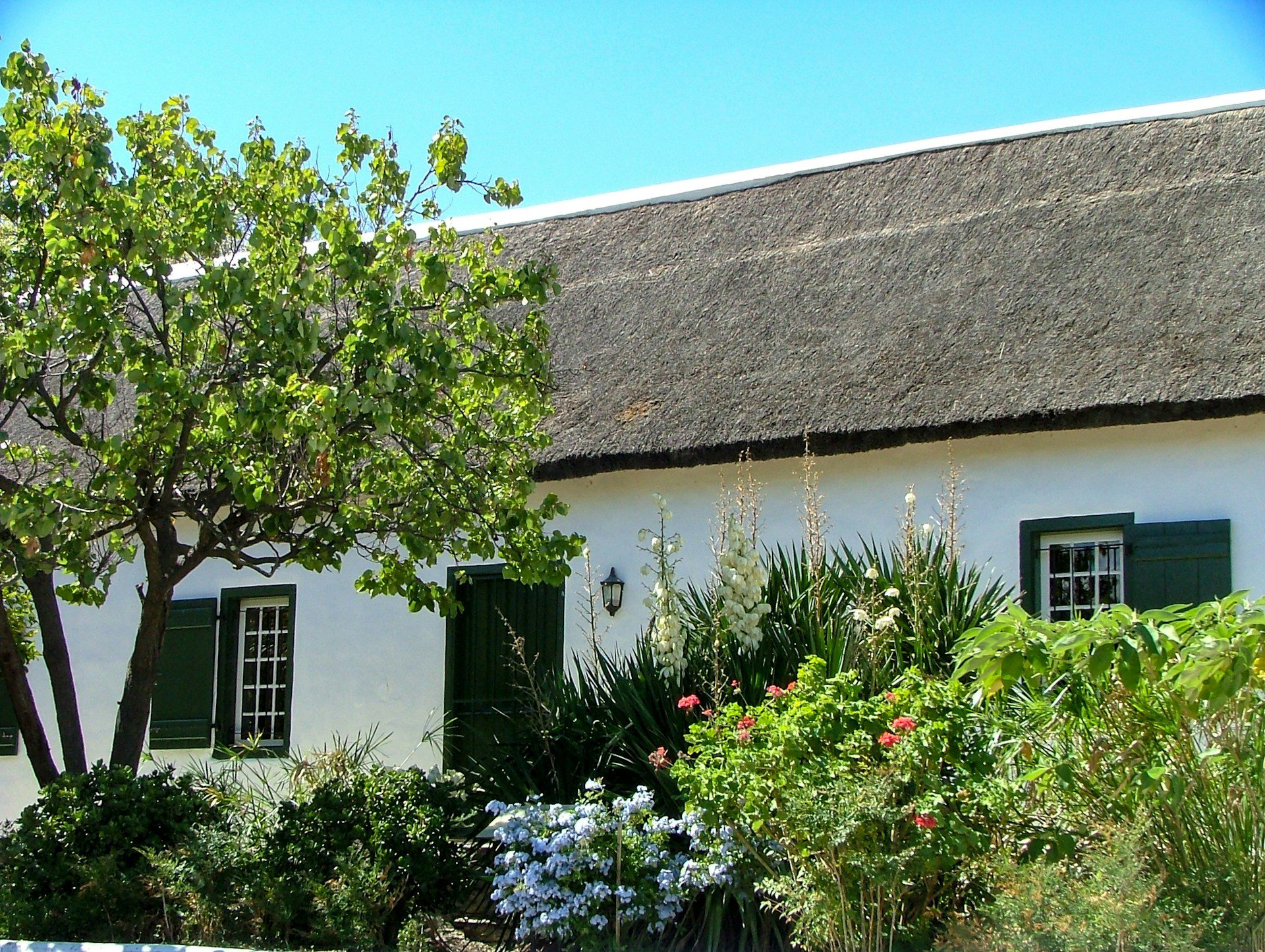
Planting trees around your home can significantly reduce temperatures in your outdoor spaces. By providing shade, trees block direct sunlight, keeping your home cooler.
Consider placing trees on the east and west sides of your house. This placement effectively shields your home from the sun’s harsh rays during peak hours.
In addition to lowering temperatures, trees can enhance your outdoor experience by creating a more pleasant and inviting atmosphere. They add beauty and a natural feel to your yard too.
Building with Large, Open Windows
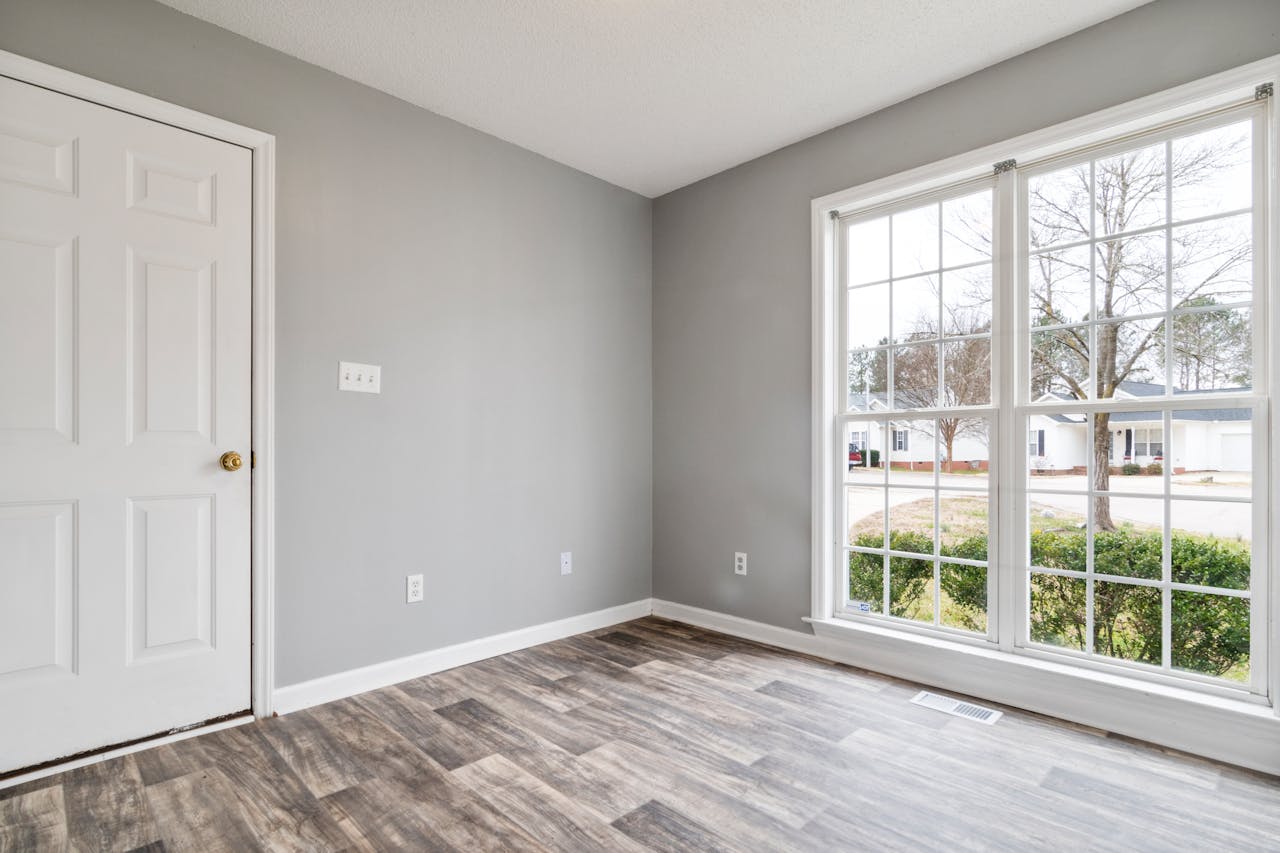
Building designs that incorporate large, open windows play a crucial role in keeping indoor spaces cool. These windows allow for better air circulation and enable breezes to enter your home.
The ideal placement of windows encourages cross-ventilation, which helps to push out hot air and invite in cooler air. You can enhance this effect by opening windows on opposite sides of your home.
This natural cooling method was common in historical architecture, creating bright, airy spaces that stayed comfortable even during hot weather. Embracing this approach can lead to a more pleasant living environment.
Utilizing Underground Living Spaces

Utilizing underground living spaces was a clever way to beat the heat. Structures like cave dwellings or homes with sod roofs provided natural insulation from high temperatures.
These spaces maintained cooler temperatures during hot summer months, making them more comfortable for residents.
You would often find ventilation systems designed to circulate air throughout these underground areas. This innovative approach helped people stay cool long before air conditioning was available.
Living in Homes with Covered Porches

Living in a home with a covered porch can greatly enhance your comfort during hot days. These porches provide shade, allowing you to enjoy the outdoors without the heat.
You can relax on your porch with a cool drink while the airflow helps keep temperatures down. Many people used these spaces to socialize in the evenings when the air cooled down.
Covered porches also serve as a transitional area, keeping your home cooler by reducing direct sunlight exposure. These design features were essential in before air conditioning became common.