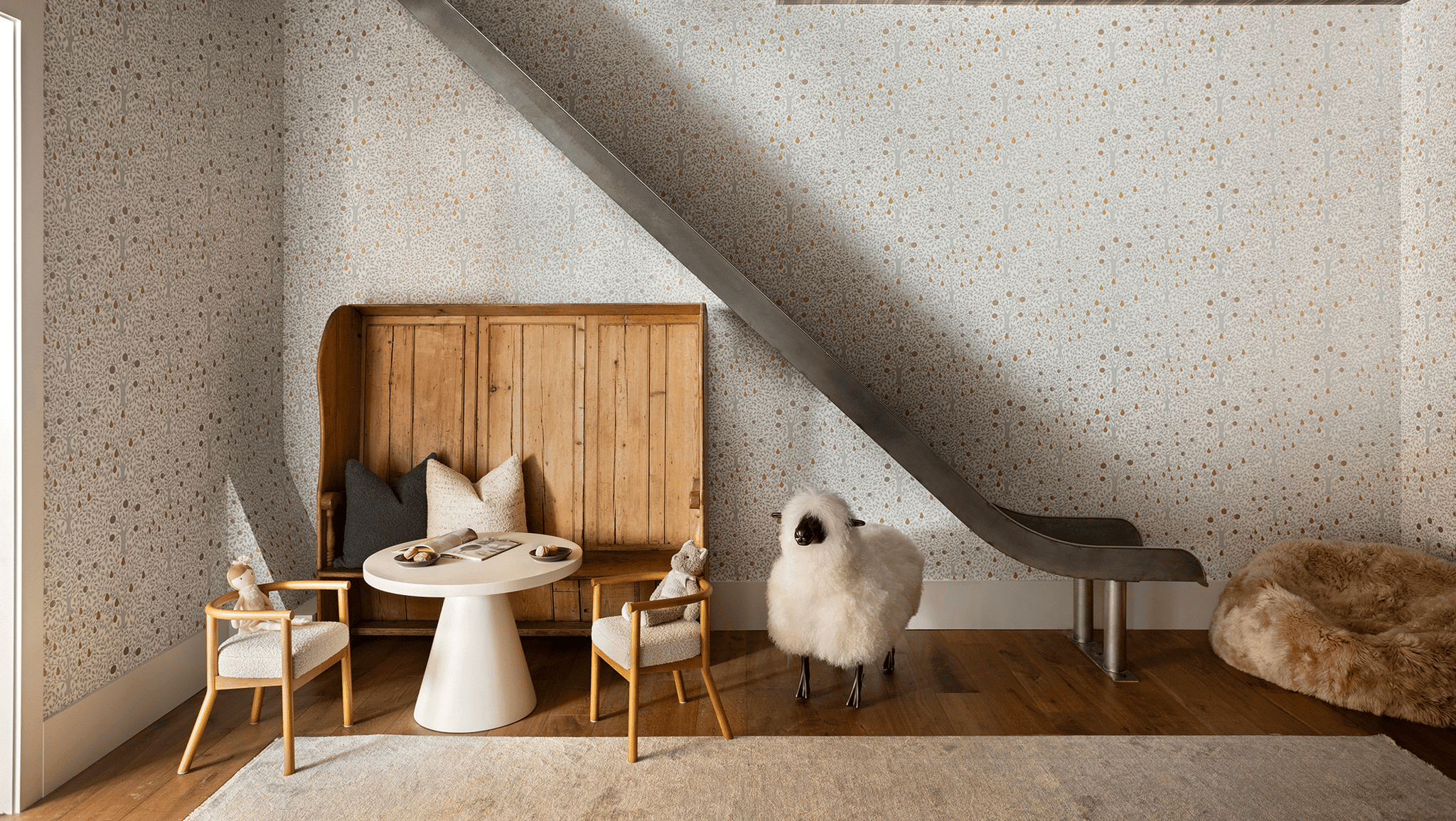
Sheep have quietly wandered from the pasture into your Pinterest board, turning up as sculptural seating, shaggy stools, and even full-size faux flocks in the living room. What began as a niche collector obsession has evolved into a shorthand for playful luxury, signaling that you care as much about whimsy and texture as you do about pedigree design. As you weigh whether to invite a woolly guest into your own space, it helps to understand how this once-humble animal became a modern decor power move.
The Surprising Rise of the Sheep Object
You are seeing sheep everywhere in interiors because they solve a problem that has nagged high-end design for years: how to make serious rooms feel less stiff without sacrificing status. A sheep-shaped stool or ottoman reads like sculpture, yet it is approachable enough for kids to climb on and guests to joke about, which makes it a natural fit for living rooms that need both polish and personality. Designers talk about interiors as ecosystems where every piece must earn its footprint, and the best sheep pieces double as seating, side tables, or footrests while still functioning as conversation-starting art.
The current fixation did not appear out of nowhere, it builds on a long fascination with animal forms in decor that has recently been recast as a sign of taste rather than kitsch. High-profile collectors began treating sheep as collectible design objects, not toys, which nudged them into the same mental category as a statement armchair or limited-edition light. Reporting on how sheep decor moved from quirky accent to aspirational object notes that the shift coincided with a broader embrace of sculptural furniture and playful silhouettes, a trend that has made even the most whimsical flock feel at home in a serious room, as detailed in coverage of how sheep became decor status.
From Farm Animal to Design Icon
The leap from barnyard staple to design icon starts with symbolism. Sheep carry associations of softness, safety, and pastoral calm, which you instinctively read as comfort when you see a woolly silhouette in a room. That emotional shorthand is powerful in an era when you are asked to treat your home as a sanctuary, not just a showcase, and it helps explain why a sheep stool can feel more inviting than a sharp-edged pedestal or a cold metal side chair. The animal’s rounded form and gentle posture also echo the curves that dominate contemporary furniture, so a sheep figure slides easily into the visual language of current interiors.
At the same time, sheep decor taps into a deeper cultural history of humans using animal imagery to express identity and belief. Archaeological collections show that even early societies carved compact figures to represent power, fertility, or spiritual protection, and museum notes on a small female figure from an Olmec context explain that such objects can carry multiple, overlapping meanings rather than a single fixed interpretation. When you place a sheep in your living room today, you are participating in that long tradition of using animal forms as more than decoration, turning them into subtle markers of how you want your space to feel and what you want it to say about you.
The Lalanne Effect: How One FLOCK Changed Everything
If there is a single reason sheep now signal insider taste, it is the legacy of François-Xavier Lalanne. In the mid twentieth century, the French artist treated furniture as sculpture and sculpture as furniture, and his most famous works were life-size sheep that you could actually sit on. These pieces blurred the line between art and utility in a way that still feels radical, and they set the template for the sheep-as-seat objects you see in design shops today. Owning one of these originals became a quiet code among collectors, a way of saying you understood that serious art could also be charming and absurd.
The most influential of these works is the series titled MOUTONS DE LAINE, a FLOCK of SHEEP DESIGNED in 1965 and EXECUTED in 1975 as a group of wool-covered forms with faces made of patinaed bronze. Auction records describe how these works were acquired directly from the artist by collectors such as Mrs. William J. McDonough in New York, underscoring their status as both functional seating and blue-chip art. When you see contemporary designers referencing sheep in their own pieces, they are often nodding to this lineage, borrowing the Lalanne idea that a flock in the living room can be both a practical perch and a knowing wink to design history.
Animalcore and the New Taste for Whimsy
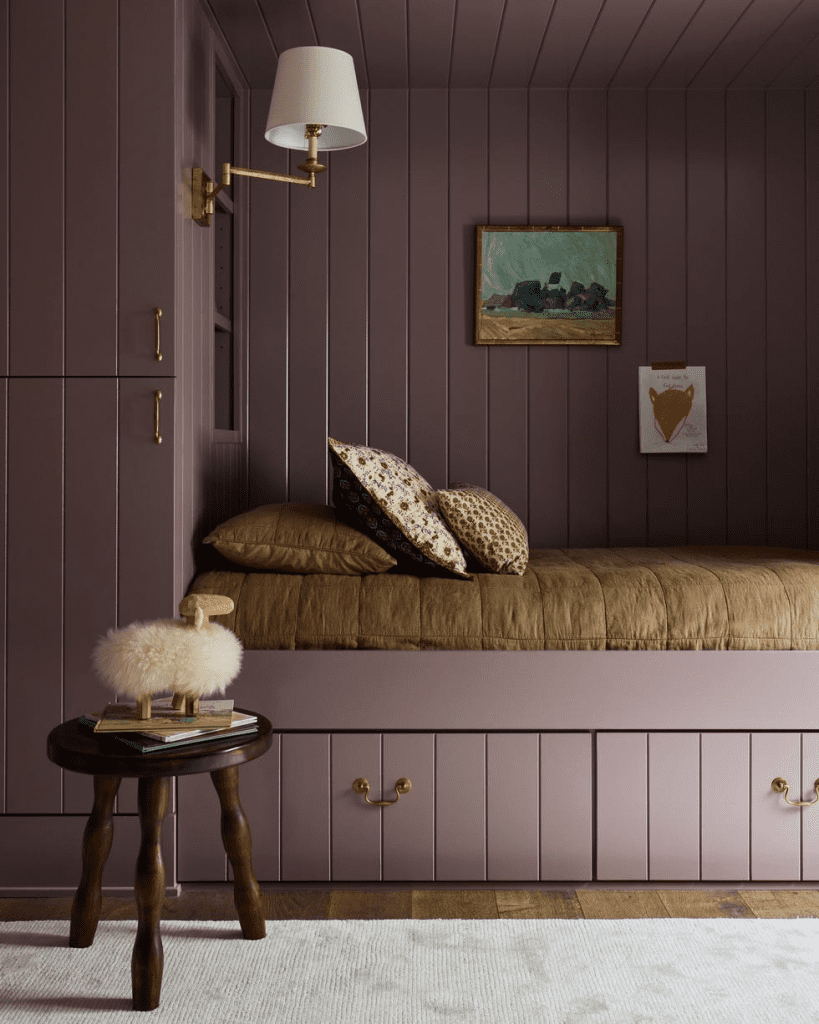
Your social feeds are full of interiors that look less like showrooms and more like curated storybooks, and that shift has a name: animalcore. The trend favors joyful, personality-driven spaces where creatures appear on textiles, lighting, and furniture, turning the home into a kind of domestic menagerie. Sheep fit perfectly into this mood because they are inherently gentle and slightly absurd, which makes them ideal ambassadors for a style that prizes delight over severity. Instead of hiding your playful side, you are encouraged to put it front and center in the form of a woolly stool or a ram-shaped side table.
Designers tracking animalcore point out that it is gaining traction because people are craving interiors that feel joyful, personal, and even a little escapist after years of minimalism and gray palettes. Reporting on the movement notes that you are seeing everything from embroidered dogs to sculpted birds, but that the most successful spaces use a few strong animal motifs rather than scattering them everywhere, a balance that keeps the look intentional instead of childish. Within that framework, a single sheep piece can anchor the room, acting as the focal point that ties together other subtle animal motifs without overwhelming the eye.
Sheepskin’s Ancient Appeal in a Modern Living Room
Part of the sheep object’s power comes from the material itself. Long before you were draping sheepskin over a sofa, Ancient communities relied on it for warmth, protection, and ritual, treating it as a versatile resource that could be worn, slept on, or used in ceremonies. Historical accounts explain that Sheepskin played an essential role in daily life and spiritual practice, helping people feel connected with nature, ancestors, and spirits. When you run your hand over a sheepskin throw today, you are touching a material that has been part of human comfort rituals for centuries.
That deep history gives modern sheepskin decor a resonance that synthetic fabrics struggle to match. You might choose a sheepskin rug for its softness underfoot, but you are also responding to an inherited sense that this texture signals safety and warmth. Contemporary brands lean into that association by marketing sheepskin slippers, cushions, and throws as tools for self-care, echoing the way earlier cultures used the same material to create a buffer between the body and a harsh environment. In a living room, a sheepskin-covered bench or stool does more than add texture, it quietly tells you that this is a place to rest, mirroring the ancient role of the material as a bridge between the human body and the wider world.
From Wine Labels to Living Rooms: The Long Mouton Obsession
The cultural fascination with sheep imagery is not limited to furniture, it has also played out in other luxury arenas, including wine. In the mid twentieth century, the owners of a famous Bordeaux estate began commissioning artists to design labels that turned each vintage into a collectible artwork. Other big-name painters soon agreed to follow where the great Braque had led, and in 1957 Pavel Tchelitchew drew a wine-specific image that cemented the idea that a bottle could be both drink and art object. This history shows how sheep and related pastoral motifs have long been used to signal refinement and connoisseurship, even in contexts far from the living room.
When you place a sculptural sheep in your home today, you are tapping into the same impulse that drove collectors to seek out those limited-edition bottles, a desire to own something that blends everyday function with artistic flair. Coverage of that wine-label project notes how the imagery turned a practical product into a status symbol, a pattern that mirrors what is happening with sheep decor now. The story of how Other big-name painters like Braque and Pavel Tchelitchew elevated a simple label helps explain why a woolly stool can feel like more than furniture, it becomes a marker of your awareness of a broader visual culture that stretches from vineyards to galleries to your own floor.
How Designers Use Sheep to Signal Status
Interior designers reach for sheep pieces when they want to telegraph that a space is both curated and relaxed. In a formal sitting room, a single sheep stool tucked near the fireplace can break up a lineup of serious armchairs, hinting that the homeowner is confident enough to inject humor into an otherwise polished scheme. In a child’s bedroom, a plush lamb-shaped ottoman can double as a reading perch and a sculptural anchor, suggesting that the family values design even in playful spaces. The key is placement: designers often treat the sheep as a punctuation mark, not a paragraph, so it stands out without turning the room into a theme park.
Because of the Lalanne legacy and the broader animalcore wave, a sheep object now carries a set of coded messages that design insiders instantly recognize. A hand-carved wooden ram in a minimalist loft reads as a deliberate contrast, a way of softening hard lines while signaling knowledge of collectible design. A cluster of small sheep stools in a media room can suggest that the homeowner is attuned to current trends but willing to interpret them loosely rather than copying a showroom vignette. When you choose your own piece, you are effectively deciding which of those messages you want to send, whether it is “I know my art history,” “I am in on the animalcore conversation,” or simply “I want my guests to smile when they sit down.”
How to Style a Sheep Without Slipping Into Gimmick
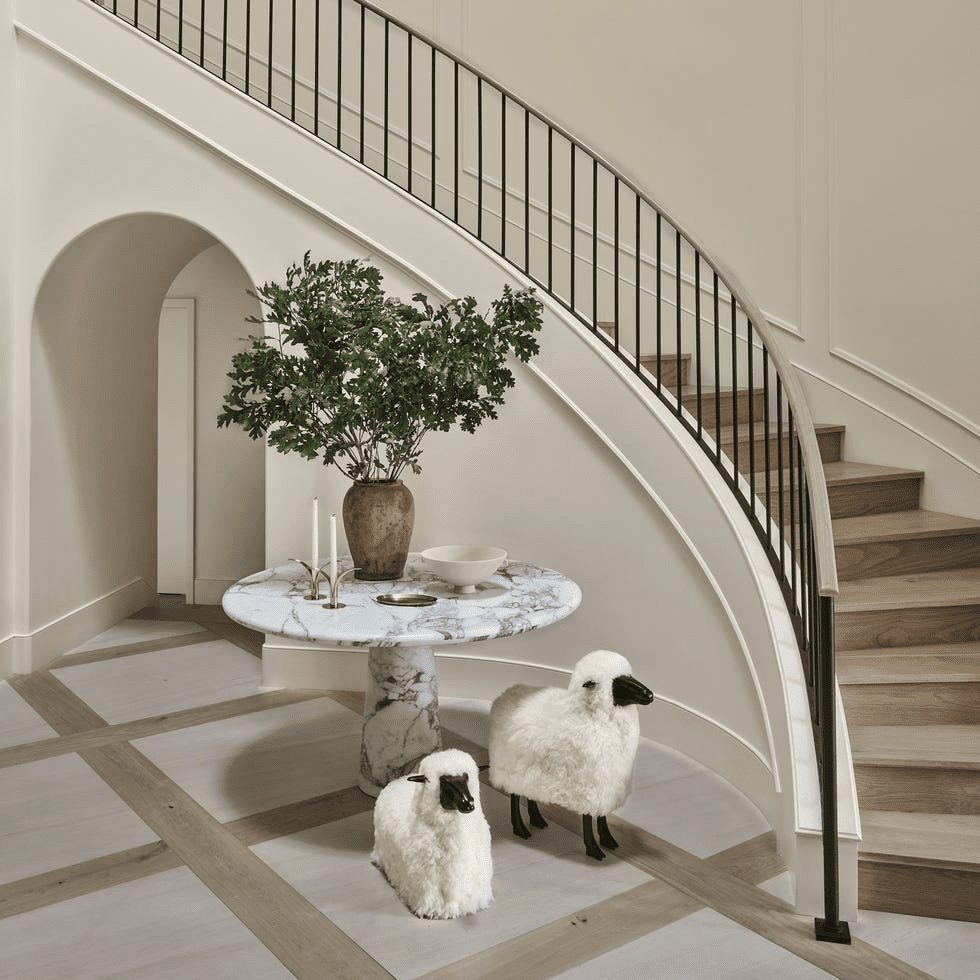
Bringing a sheep into your home is a bold move, but it does not have to tip into novelty if you treat it like any other serious design element. Start by considering scale: a life-size sheep in a small studio will dominate the room, while a petite lamb-shaped footstool might disappear in a cavernous great room. Aim for a size that feels proportional to your other furniture so the piece reads as part of the ensemble rather than a prop. Color matters too, a natural wool tone will blend more easily with existing textiles, while a dyed or patterned version will demand more visual attention and should be balanced with simpler surroundings.
Context is your best safeguard against kitsch. Pair a sheep stool with materials that echo its softness, such as boucle upholstery or a thick wool rug, but avoid layering too many literal animal references in the same area. One strong figurative piece is usually enough, especially if you already have animal prints or artwork elsewhere. Think about sightlines as well: placing the sheep where you first enter the room can make it feel like a mascot, while tucking it into a reading corner or beside a low table lets guests discover it gradually. By treating the sheep as a sculptural accent that happens to be shaped like an animal, you keep the focus on form, texture, and craftsmanship rather than on the joke.
Is a Sheep Right for Your Space?
Deciding whether to adopt a sheep decor piece comes down to how you want your home to feel and what story you want it to tell. If you gravitate toward clean lines and quiet palettes but worry that your rooms feel a bit impersonal, a single woolly form can introduce warmth and character without derailing your overall aesthetic. On the other hand, if your space is already full of bold colors, patterns, and figurative art, you may need to be more selective, choosing a sheep that is restrained in color or scale so it adds charm rather than chaos. Think of the piece as a character in an ensemble cast, not the entire plot.
You are also weighing values that go beyond style, including material choices and longevity. A well-made sheep stool or bench can last for years, aging alongside your other investment pieces and even becoming a family heirloom that children and guests remember. The long history of sheepskin in human life, the artistic experiments of figures like François-Xavier Lalanne, and the ongoing appeal of animalcore all suggest that the sheep’s moment is not a fleeting meme but part of a broader shift toward interiors that are tactile, narrative, and a little bit wild. If that vision aligns with how you want to live, then letting a sheep wander into your decor might be the most quietly radical design decision you make.
More from Decluttering Mom: