Amazon customers who were signed up for Prime in ways federal regulators say were deceptive now have a rare chance to claw back some money. The Federal Trade Commission’s settlement with Amazon set aside $2.5 billion for refunds, and you can claim a share if you meet the eligibility rules and follow the official process. To avoid scams and missed deadlines, you need to know exactly where to go, what information to gather, and how the government says it will contact you, if at all.
The refund program is not automatic for everyone who ever used Prime, and it is not being run through random emails or phone calls. Instead, you will be asked to confirm that you are part of the group of Qualified Amazon customers affected by the conduct at the heart of the case, then submit a claim through channels vetted by The FTC. Here is how to navigate that step by step.
Who qualifies for money from the Amazon Prime settlement
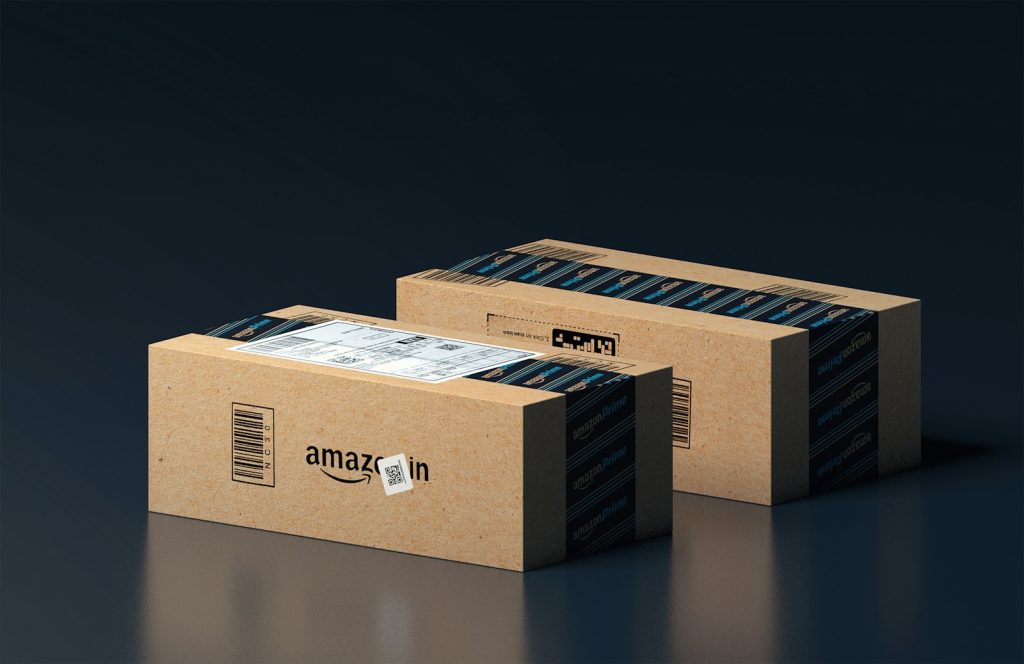
The settlement focuses on people who were enrolled in Prime or kept in the program in ways regulators say were unfair, so your first task is to figure out whether you fall into that group. Reporting on the deal explains that Qualified Amazon customers are those who were allegedly steered into Prime sign-ups or renewals through confusing design choices, including customers who say they struggled to find the cancel button or were surprised by recurring charges. If you remember clicking a “free trial” that quietly converted into a paid membership or wrestling with multiple screens to turn Prime off, you are in the zone of people the refund program is meant to reach.
Eligibility is not limited to a single year, and it can cover both long-time subscribers and people who only had Prime briefly, as long as the enrollment or cancellation experience matched the patterns regulators challenged. Guidance on the settlement notes that the government expects most eligible members to be identified through Amazon’s own records, which means your account history, payment method, and Prime status will matter when your claim is reviewed. That is why you should be prepared to log in to your Amazon account, confirm which cards or bank accounts were charged, and match those details to the period when you believe you were improperly enrolled in Prime.
Where to file your claim and how the official process works
Once you are confident you might qualify, the next step is to use the official refund channels that The FTC has endorsed for the Amazon matter. The agency maintains a central page for Amazon Refunds, which explains that The FTC is not contacting people about refunds in the Amazon matter by phone, text, or social media. Instead, the program is being handled through a dedicated administrator and secure online forms, and the agency directs anyone with questions to an official email address that ends in SubscriptionMembershipSettlement.com, not a generic consumer domain.
Coverage of the settlement rollout notes that Qualified Amazon customers can now submit claims to receive a portion of the $2.5 billion settlement that was agreed to last year, and that the refund process is designed to be straightforward once you reach the correct portal. When you start your claim, you will typically be asked to confirm your identity, verify that you had a Prime membership during the relevant period, and attest that you experienced the enrollment or cancellation issues described in the case. The instructions emphasize that you should not pay any fee to file, and that you should only enter personal information on the official settlement site linked from the government’s Amazon Refunds page or from direct notices that match the administrator’s verified contact details.
Step-by-step: information you need and how to submit it
Before you sit down to complete the claim form, it helps to gather a short checklist of information so you can move through the questions quickly. Start with your Amazon login email, your current mailing address, and the last four digits of the card or bank account that was charged for Prime. If you still have old confirmation emails showing when your Prime trial started, when it converted to a paid plan, or when you tried to cancel, keep those handy as well. The claim form may not require you to upload documents, but having dates and amounts in front of you will make your answers more precise and reduce the risk of errors that could slow down your refund.
Guidance on the settlement explains that most eligible members should have their information preloaded in the administrator’s system, which means you might receive a personalized notice with a claim number or unique link to check eligibility and claim money. If you get such a notice, compare the web address carefully to the official Amazon Refunds information and make sure it matches the SubscriptionMembershipSettlement.com domain described by The FTC. When you are ready, follow the link or go through the government’s refund page, enter your claim number if you have one, confirm your contact details, and choose how you want to be paid, such as a check or electronic transfer. Take a screenshot or print the confirmation page so you have a record of your submission and any reference number the system provides.
How much you might receive and how payments will be sent
The total settlement fund is large, but your individual payment will depend on how many people file valid claims and how much each person spent on Prime during the period covered by the case. Reporting on the deal describes the overall pot as $2.5 billion, a figure that reflects both refunds to consumers and other relief tied to The Amazon Prime FTC settlement. That means the amount you receive is not a flat check for every customer, but a share that is calculated based on your Prime charges and the final number of approved claims. If you paid for Prime for several years while struggling to cancel, your refund could be higher than someone who was enrolled for only a single billing cycle.
Coverage of the settlement rollout notes that The Amazon Prime FTC settlement was first detailed by regulators and that the refund program is expected to reach millions of people, which is why the government is leaning on electronic payments and mailed checks rather than in-person distribution. When you file, you will likely be asked to choose between a paper check and a digital option such as a direct deposit or payment to a service like PayPal, and you should double check the account details you enter. If you move after filing your claim, use the contact information provided by the administrator to update your address so a check is not sent to the wrong place. Keep in mind that the administrator will not ask for your full Social Security number or your online banking password, and any request for that kind of information is a red flag that you are dealing with a scammer, not the real refund program.
How to avoid scams and report suspicious contacts
Whenever a high profile refund program launches, scammers try to piggyback on the news with fake emails, texts, and phone calls that promise faster payments in exchange for personal data or upfront fees. The FTC’s own guidance on reporting fraud urges you to be skeptical of anyone who contacts you out of the blue about Amazon refunds, especially if they pressure you to act immediately or ask you to pay a “processing fee” with gift cards or cryptocurrency. The official Amazon Refunds page makes clear that The FTC is not contacting people about refunds in the Amazon matter by unsolicited calls, and that you should treat any such outreach as suspicious.
If you receive a message that looks like it is about the settlement, check the sender’s email address and the web links before clicking anything. Official notices about the Amazon Prime settlement will either direct you to the government’s Amazon Refunds page or to a site that uses the SubscriptionMembershipSettlement.com domain, which you can verify by comparing it to the information on the FTC’s refund program explanation. If something feels off, do not reply or click; instead, open a separate browser window, navigate to the official Amazon Refunds page yourself, and look for any alerts about scams. You can forward phishing emails to the government’s fraud reporting site and submit a report describing what happened so investigators can track patterns and warn other consumers.
What to expect after you file and how to track your claim
Once your claim is in, the process shifts to waiting and monitoring, and it is important to have realistic expectations about timing. The administrator has to verify eligibility, cross check your information against Amazon’s records, and calculate how much each person should receive from the settlement fund. Guidance on the program notes that most eligible members should have their information already in the system, which should speed up processing, but the sheer number of potential claimants means it can still take months before payments go out. During that period, you should keep your confirmation email or screenshot handy and watch for updates from the same official address or portal where you filed.
If you have questions while you wait, start by revisiting the Amazon Refunds page, which is updated with new information about the status of the program and any key dates for claim deadlines or payment waves. Some coverage of the settlement rollout explains that consumers can use the administrator’s site to check eligibility and claim money, and that the same portal may eventually offer a way to look up your claim status using your reference number or email address. If you suspect something has gone wrong, such as a change of address or a closed bank account that might block your payment, use the contact details listed on the official site to update your information. Avoid searching for generic “Amazon refund phone numbers” online, since that can surface impostor call centers; instead, rely on the links and email addresses that The FTC itself has published.
Throughout the process, remember that you are not required to respond to unsolicited calls or messages to receive your share of the settlement. The government’s own description of Qualified Amazon customers and the way they can now file claims makes clear that the power rests with you to initiate the process through official channels. By confirming that you meet the criteria, filing your claim through the verified Amazon Refunds portal, and ignoring anyone who tries to insert themselves as a middleman, you can maximize your chances of getting paid while minimizing your exposure to fraud. If you stay organized and patient, the refund program can turn a frustrating Prime experience into at least some financial relief.
More from Decluttering Mom: