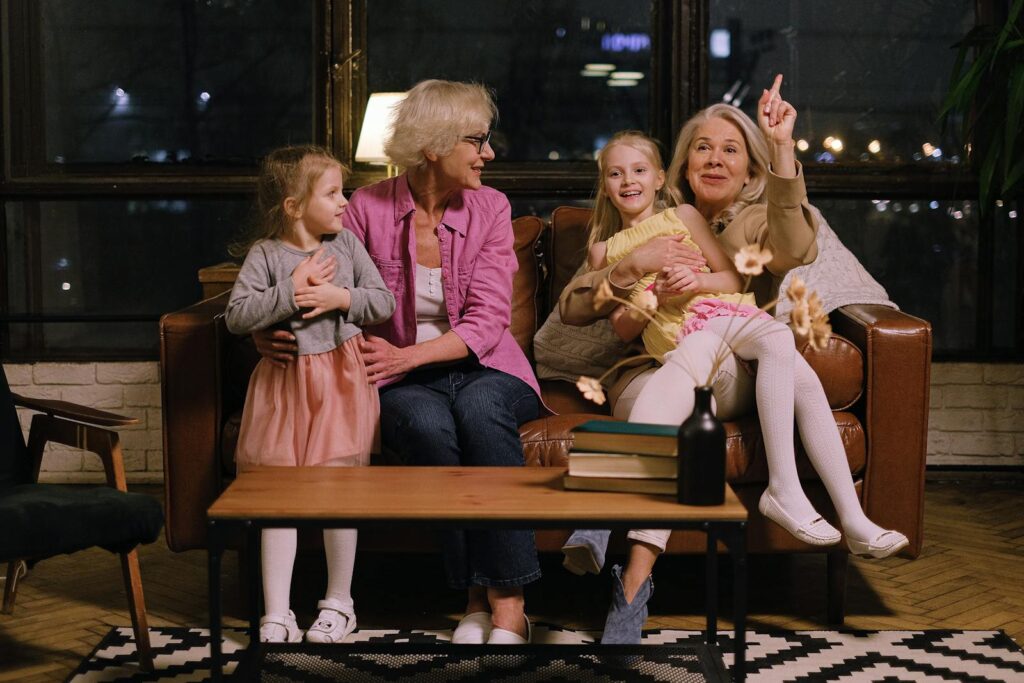
Adult children usually spot the warning signs first: a dining room buried under unopened mail, closets packed with decades of clothes, a garage that has not seen a car since the first George Bush administration. Helping parents clear out that buildup is not just about tidiness, it is about safety, future moves, and family sanity. The hard part is doing it without turning every box of old photos into an argument.
Handled well, decluttering can actually bring a family closer, giving parents space to tell stories and make choices instead of feeling pushed aside. The goal is not to win a battle over “stuff,” it is to protect relationships while making their home easier and safer to live in.

Start the conversation early, gently, and with a clear goal
The least explosive decluttering projects usually start long before anyone is calling movers. Professionals who work with older adults stress that Introducing the Idea gives parents time to adjust instead of reacting in panic. Rather than opening with “You have too much junk,” adult children can talk about how a smaller space or fewer belongings might make daily life easier, from fewer stairs to amenities that actually support aging. Framing the conversation around comfort and independence, not control, keeps parents in the driver’s seat.
That tone matters. Guides aimed at adult children emphasize that Helping a parent declutter works best when the starting point is empathy, not criticism. Another set of Set the Stage tips recommends choosing a calm moment, not a crisis, and making it clear that the goal is to support, not to bulldoze. When adult children explain why they are worried, and then ask what their parents want the next five or ten years to look like, the conversation shifts from “You need to get rid of things” to “How can we make your home match the life you want now.”
Lead with empathy, not a trash bag
Once the topic is on the table, the way the first sorting session unfolds can decide whether everyone keeps talking or retreats to separate corners. Organizing specialists who focus on older adults say the first rule is to Lead with listening. That means asking parents what feels hardest about their home right now and what they are most afraid of losing. One detailed guide notes that They need companionship, structure, patience, and a way to make decisions without feeling judged or rushed, not a child marching in with contractor bags.
That same spirit runs through advice on how to help aging parents declutter without conflict, which urges adult children to Here Start the conversation with care, not control. Another resource aimed at adult kids spells it out in its Key Takeaways To, reminding readers that Helping a parent declutter is not about making the house look the way an adult child thinks it should. It is about supporting the parent’s values, even when that means keeping more than a minimalist Instagram feed would approve.
Use language that calms, not corners
Even with the best intentions, the wrong phrase can light a fuse. Communication experts suggest swapping accusations for “I” statements, which focus on the speaker’s feelings instead of the other person’s flaws. One health resource spells it out bluntly, advising people to Use “I statements” as much as possible, for example, “When you leave boxes in the hallway I worry you might trip,” rather than “You are so messy.” That small shift lowers defensiveness and keeps the focus on shared goals like safety.
Specialists in downsizing older adults echo that idea and even script specific phrases. One guide suggests that when a home is starting to Feel Harder to Manage, adult children can Try saying they have noticed the house is a lot to keep up with and ask how their parents are feeling about it, instead of declaring it unlivable. Another practical guide on getting parents to declutter urges adult children to Use the right words and Resist the urge to diagnose, which means skipping armchair labels like “hoarder” and sticking to concrete concerns and offers of help.
Make it a joint project, not a hostile takeover
Parents who spent decades running a household do not suddenly enjoy being treated like tenants in their own home. That is why many elder-care guides stress collaboration. One overview of the emotional side of clearing out a family home urges adult children to Involve Your Parents as Much as possible in decisions, both to honor their autonomy and to surface the stories behind objects. Another set of practical tips for older adults notes that Personal Care is shifting, and that They may be going through a role reversal as they are used to taking care of You, so it helps to Ask Questions and then leave the decisions up to them.
That same collaborative mindset shows up in advice on how to talk about downsizing, which encourages families to focus on what a new space might offer, from social connections to amenities that enhance daily living. Another guide on talking to elder parents about moving suggests framing the conversation as part of broader Tips for a Supportive Transition and noting that a less cluttered space can reduce the risk of falls. When parents understand that the goal is their comfort and safety, not a perfectly staged house, they are more likely to say yes to help.
Start small, build momentum, and keep decisions bite-size
Even for younger adults, staring down a packed basement is paralyzing. For older parents, it can feel impossible. That is why many decluttering pros recommend starting with a clear plan and very small wins. One guide to clearing a parent’s home suggests families Start With a Strategy and Before diving in, Talk about the goal together. Another resource on quick declutter tips points out that Starting small helps build momentum and recommends simple Sort Smart systems, like three boxes for keep, donate, and decide later.
Behavior-change research backs that approach. One coaching resource urges people to Repeat small actions with unwavering commitment to Create momentum, warning that if momentum crumbles it is usually because the habit chosen was too big. Applied to a parent’s home, that might mean tackling one kitchen drawer or a single shelf of VHS tapes instead of the entire garage. A video that lays out 5 Tips to follow when Helping Parents Declutter makes a similar point, joking that thinking “we have it all together, now we are ready to start” is wrong, and that the real trick is to lower the bar so progress feels doable instead of overwhelming.
More from Decluttering Mom: