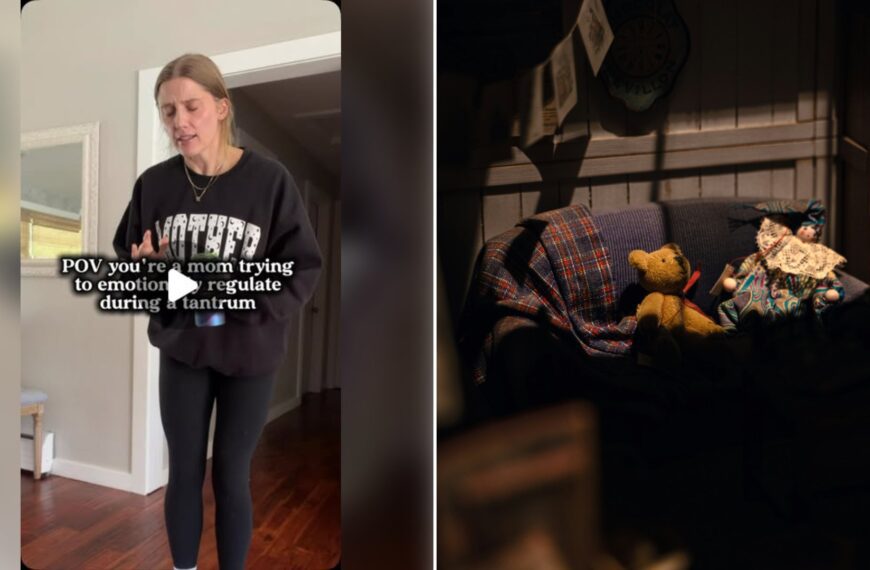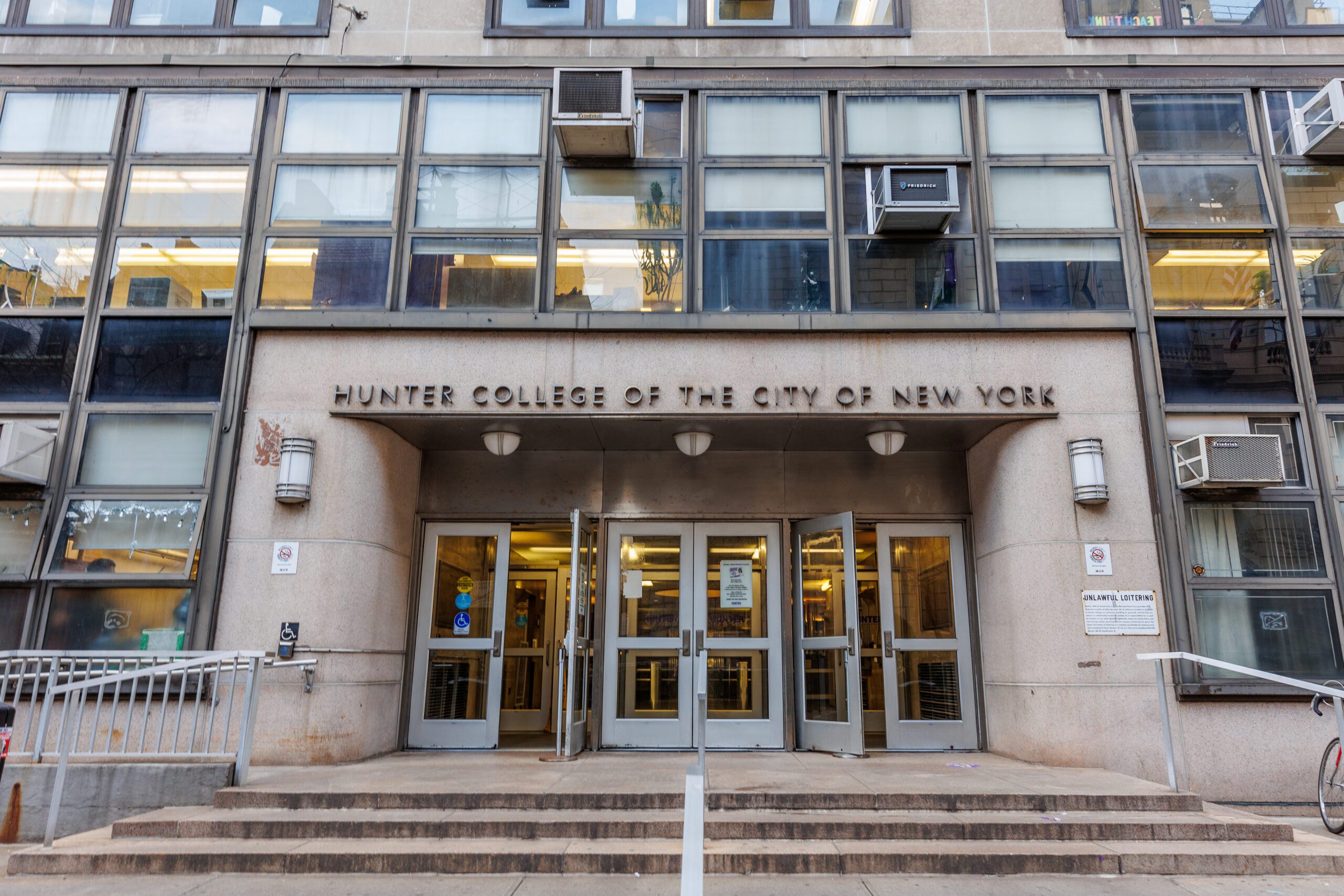
You will learn what happened, why it matters, and what responses followed after a Hunter College professor was caught on a hot mic making a racist remark during a public online school meeting. The clip sparked immediate outrage, prompted an institutional review, and raised questions about accountability when offensive comments surface in virtual forums.
Those events unfolded during a Community Education Council meeting where students spoke about school closures and a professor’s offhand comment was captured live. The article unpacks the hot-mic moment, the university’s response, and the wider implications for public meetings and campus oversight.
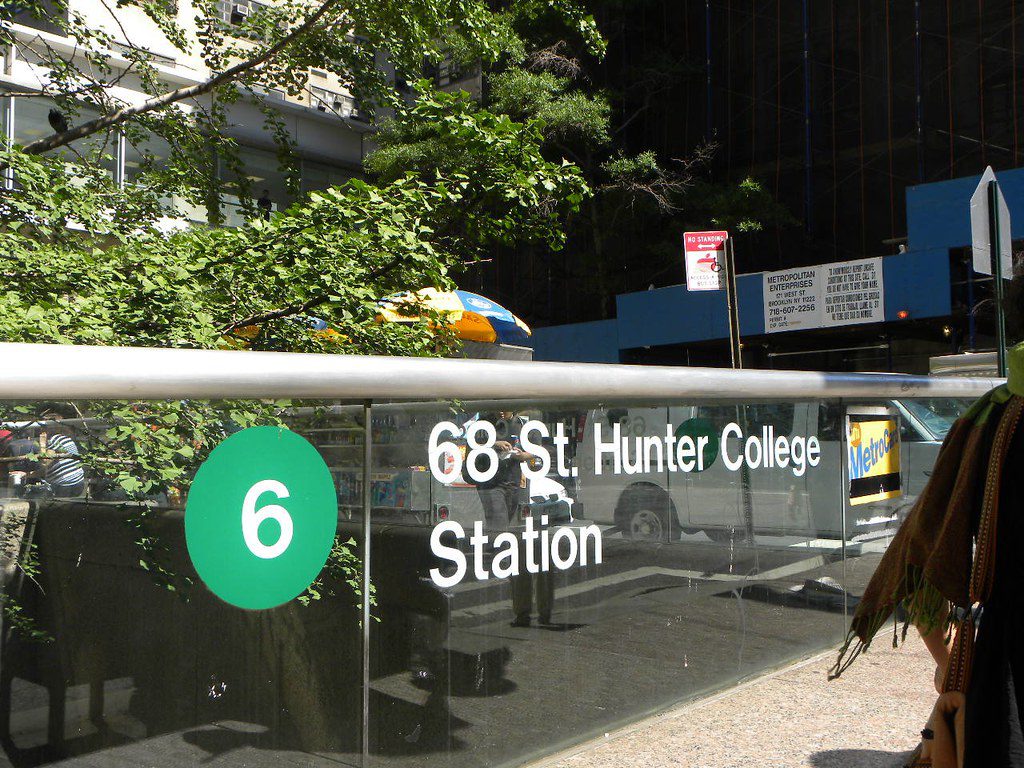
Hot Mic Incident: What Happened and Immediate Reaction
A Hunter College faculty member made remarks on a live virtual meeting that attendees took as racially charged. The comments were captured on audio while she believed her microphone was off, and the clip quickly circulated online.
Allyson Friedman’s Remarks During Online Session
Allyson Friedman, an associate professor at Hunter College, spoke during a District 3 Community Education Council meeting and was recorded saying that some students were “too dumb to know they’re in a bad school” and making a follow-up comment about training “a Black person” to “use the back.”
She participated virtually as a public school parent, not in an official Hunter role, and appeared unaware her mic was active when the comments aired. The remark referenced themes raised earlier in the meeting and echoed language about segregation and exclusion.
The recording shows Friedman interrupting as a student speaker praised teachers and objected to proposed closures. Her comments prompted immediate shock in the virtual room and on social media once the clip spread, prompting questions about whether the remarks violated Hunter College policies.
Reactions from Students, Parents, and Officials
Students and families at the meeting reacted with visible dismay; attendees described a Black middle-school student who had defended her school as the target of Friedman’s remark. Parents and community members demanded accountability and called for a formal review by the school district and by Hunter College.
Hunter College announced it would review the incident to determine if the comments breached institutional rules. Local education officials, including members of the Community Education Council, described the remarks as “abhorrent” and arranged internal inquiries.
New York City education leaders and neighborhood advocates emphasized harm to the affected student and community trust. Several local outlets and social feeds amplified the clip, increasing pressure on both the College and the District 3 CEC to respond quickly and transparently.
Context of the Community Education Council Meeting
The remarks occurred during a February Community Education Council meeting focused on proposed closures and relocations for Manhattan schools with low enrollment, including discussions about Community Action School, Manhattan School for Children, and Center School.
Reginald Higgins, an interim acting superintendent, had earlier cited Carter G. Woodson and themes about marginalization — context that attendees linked to Friedman’s comments. The meeting addressed heated concerns about school quality, equity, and the possible impacts of closures on families.
A student speaker had defended her teachers and opposed closure plans, which set the emotional tone of the session. Rita Joseph and other local leaders were involved in follow-up conversations as the district and Hunter College coordinated responses to the viral incident.
Accountability, Apology, and Broader Impact
The episode prompted immediate institutional scrutiny, a public apology from the professor, and renewed debates about how schools handle discrimination, discipline, and classroom climate.
Allyson Friedman’s Public Apology and Explanation
Allyson Friedman issued a statement saying she was “deeply sorry” and claimed the remark occurred while she was speaking privately to someone in her home and accidentally left her microphone on.
She told local reporters that her words “were not directed at the student speaker” and framed them as a clumsy attempt to discuss historical examples of systemic racism.
Community reaction to the apology split sharply. Some officials and parents called the apology insufficient and demanded stronger action; others noted she admitted wrongdoing and expressed remorse.
The clip circulated online, which intensified calls for accountability and made the incident a public matter beyond the local Community Education Council meeting.
Hunter College’s Review and Nondiscrimination Policies
Hunter College confirmed it would review the incident under university conduct and nondiscrimination rules and noted its commitment to an inclusive educational environment.
CUNY’s tenure rules complicate immediate dismissal for tenured faculty, so the college emphasized investigating whether the remarks violated its policies before pursuing personnel actions.
Administrators face pressure to balance due process with community expectations for safety and equity.
Faculty and student groups have referenced the college’s nondiscrimination obligations while urging transparent timelines and clear outcomes.
Debate Over Systemic Racism and Educational Equity
The remark reignited local conversations about systemic racism and how educators discuss race in public forums.
Some defenders argued context — an attempt to reference historical texts — mattered; critics said the content and delivery exposed persistent biases that harm students and undermine educational equity.
Parents and advocacy groups tied the incident to broader worries about which voices shape school policy and who feels welcome in classrooms.
Calls for training on anti-bias, review of district engagement practices, and stronger protections for students in public testimony emerged as concrete policy responses.
Broader Conversations: Free Speech, Inclusive Environments, and Consequences
The episode fed debates over free speech on campus versus the need for safe, inclusive spaces for students.
Observers cited past CUNY controversies — including cases where faculty faced calls for firing or were dismissed after threatening behavior — to show how institutions grapple with discipline and public trust.
Advocacy groups on different sides, from those demanding dismissal to organizations focused on academic freedom, weighed in; Students for Life and other external actors have in prior cases pushed for firings, while unions argue for due process.
Administrators must consider reputational risk, legal constraints, and the college’s nondiscrimination commitments when deciding consequences such as reprimands, required training, suspension, or termination.
More from Decluttering Mom: