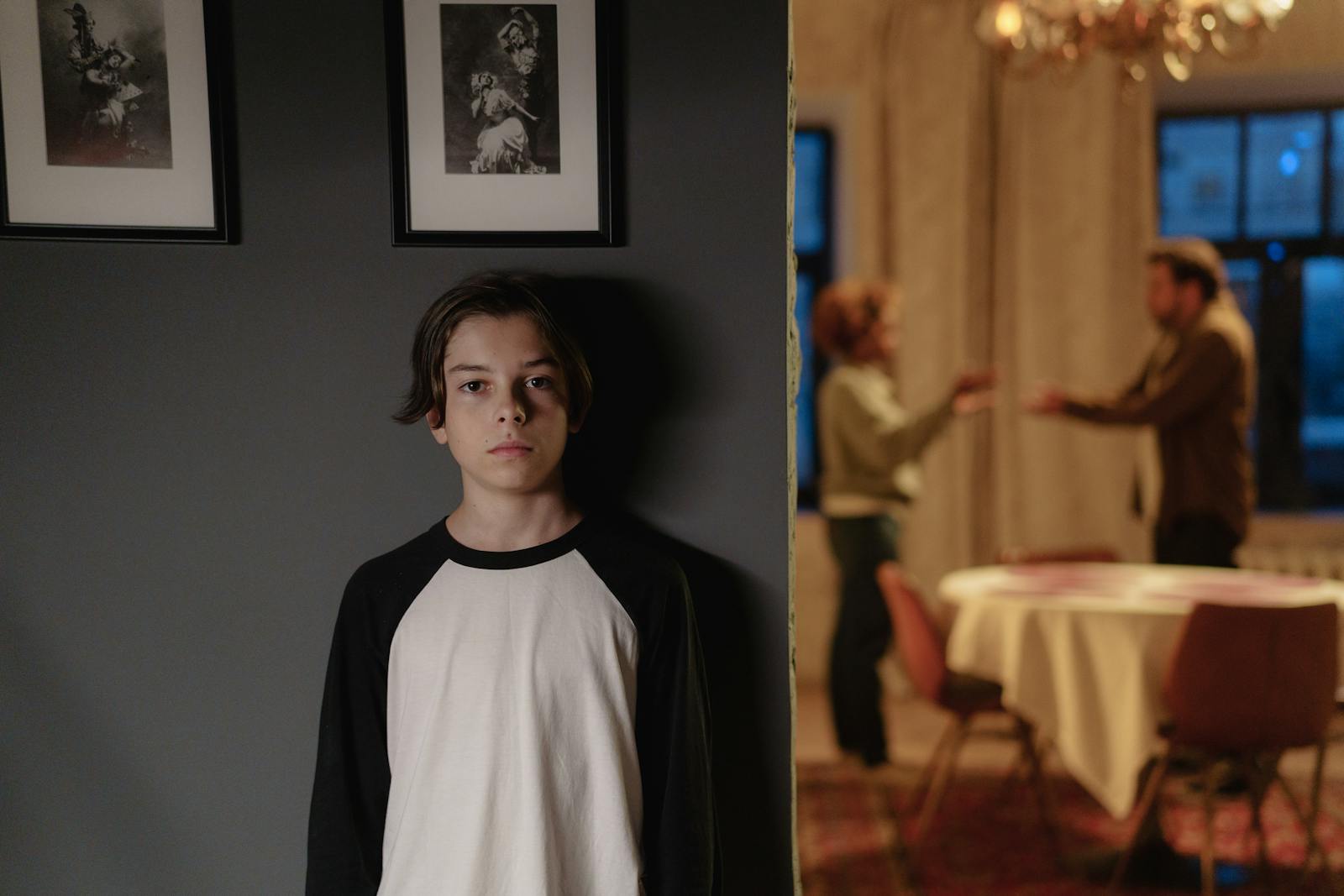
A husband’s desperate plea to his wife has sparked conversation about the lasting impact of childhood trauma on parenting styles. He begged her to stop screaming during arguments in front of their young child, explaining that he still carries deep emotional scars from watching his own parents’ volatile fights years ago.
The husband revealed that witnessing his parents’ explosive arguments left him with anxiety and fear that persists into adulthood, and he’s terrified their child will experience the same lasting damage. His wife’s raised voice during conflicts triggers painful memories of his childhood home, where screaming matches were routine and left him feeling unsafe and stressed.
The situation highlights a common struggle many couples face when their own childhood experiences clash with their partner’s communication style. While fighting in front of kids can teach valuable lessons about conflict resolution when handled constructively, ongoing screaming and toxic conflict creates a different environment entirely. The husband’s request has opened a difficult but necessary conversation about breaking generational patterns and protecting their child from the same fears he’s carried for decades.
Impact Of Parental Screaming On Children And Family
When parents scream at each other in front of their children, the effects ripple through every aspect of family life. Children develop anxiety and depression while learning unhealthy patterns they carry into adulthood.
Emotional And Mental Health Effects On Children
Children who witness screaming matches between their parents often develop immediate emotional problems. They become clingy, have trouble sleeping, and show signs of regression like thumb-sucking or bed-wetting. Parents fighting affects children’s mental health in ways that manifest quickly and intensely.
Preschoolers typically blame themselves for their parents’ screaming. They think if they were better behaved, mom and dad wouldn’t yell at each other. School-age children develop physical symptoms like headaches and stomachaches that have no medical cause.
The mental health toll includes increased rates of anxiety and depression. These kids struggle to concentrate in school and often withdraw from friends. Some act out aggressively because that’s the conflict resolution model they’ve learned at home.
How Witnessing Parental Conflict Shapes Childhood Fears
The fear that develops from watching parents scream creates a lasting sense of instability. Children see their primary source of safety engaged in hostile behavior, which erodes their basic security. This fear doesn’t just disappear when the screaming stops.
Kids exposed to high-conflict home environments develop hypervigilance. They’re constantly on edge, waiting for the next explosion. Teenagers may throw themselves into destructive peer groups or experiment with drugs and alcohol to escape the tension at home.
The fear becomes internalized over time. Children learn that relationships mean conflict and that love includes screaming. They carry this anxiety into their own adult relationships, repeating the patterns they witnessed.
Long-Term Psychological Consequences For The Whole Family
The damage from parental screaming extends well beyond childhood. Adults who grew up watching their parents scream often struggle with forming healthy relationships. They have difficulty trusting partners and may either become conflict-avoidant or repeat the screaming patterns themselves.
Research tracking families over ten years found that children exposed to frequent parental arguments experienced behavioral issues that persisted into young adulthood. The entire family system suffers as these patterns get passed down through generations.
Parents themselves often develop guilt and shame about their screaming. The marriage deteriorates further as resentment builds. Some children align with one parent against the other, fracturing family bonds that may never fully heal.
Breaking The Cycle And Rebuilding Respect In The Home
Parents who grew up witnessing conflict often find themselves repeating similar patterns with their own families, even when they desperately want to do things differently. The fear and trauma from childhood doesn’t just disappear, and breaking these cycles requires identifying what’s happening, finding new ways to respond in heated moments, and sometimes getting outside support.
Recognizing The Signs Of Verbal Abuse And Its Triggers
Screaming during arguments might feel like just “losing your temper,” but it crosses into verbal abuse when it becomes a regular pattern that leaves family members walking on eggshells. The signs include raised voices that frighten children, name-calling or belittling comments, threats made in anger, and creating an atmosphere where everyone feels unsafe expressing themselves.
Triggers often trace back to unresolved childhood experiences. Someone who watched their parents scream might unconsciously adopt the same behavior under stress, especially during disagreements about money, parenting decisions, or household responsibilities. The body’s stress response kicks in, and old patterns take over before rational thought can intervene.
Children who witness these outbursts carry lasting effects. They may develop anxiety, struggle with their own emotional regulation, or repeat the cycle in their future relationships. Understanding that breaking the cycle of abuse involves developing self-awareness of repeated unhealthy behaviors represents the first step toward change.
Healthy Alternatives: Grounding Techniques And Communication Tools
When emotions start escalating, grounding techniques can interrupt the automatic response to yell. These include the 5-4-3-2-1 method (naming five things you see, four you can touch, three you hear, two you smell, one you taste), stepping away from the situation for a predetermined cool-down period, or focusing on slow, deep breathing until the impulse to scream passes.
Couples dealing with reactive patterns need concrete communication tools. Using “I” statements instead of accusations helps (“I feel overwhelmed when dishes pile up” rather than “You never help”). Setting a calm-down signal that either partner can use stops arguments from spiraling. Some families establish rules like no raised voices after 8pm or taking 20-minute breaks when discussions get heated.
The key is replacing the learned behavior with something healthier, which takes practice and often feels unnatural at first.
When To Seek Professional Help Or Marriage Counseling
Some situations require more than self-help strategies. Marriage counseling becomes necessary when couples can’t stop harmful patterns on their own, when children show signs of trauma from witnessing conflict, or when one partner fears the other’s outbursts. A therapist can identify the root causes and teach specific skills for the relationship dynamics at play.
Individual therapy helps people process their childhood trauma before it continues affecting their parenting. Many adults who swore they’d never be like their parents find themselves shocked when they repeat the same patterns they experienced growing up. Professional support provides tools that weren’t available during their own childhood.
The decision to seek professional help often comes after repeated attempts to change fail, or when respect between partners has worn away to the point where daily interactions feel hostile. Waiting until a marriage reaches crisis point makes recovery harder than addressing patterns early.
More from Decluttering Mom: