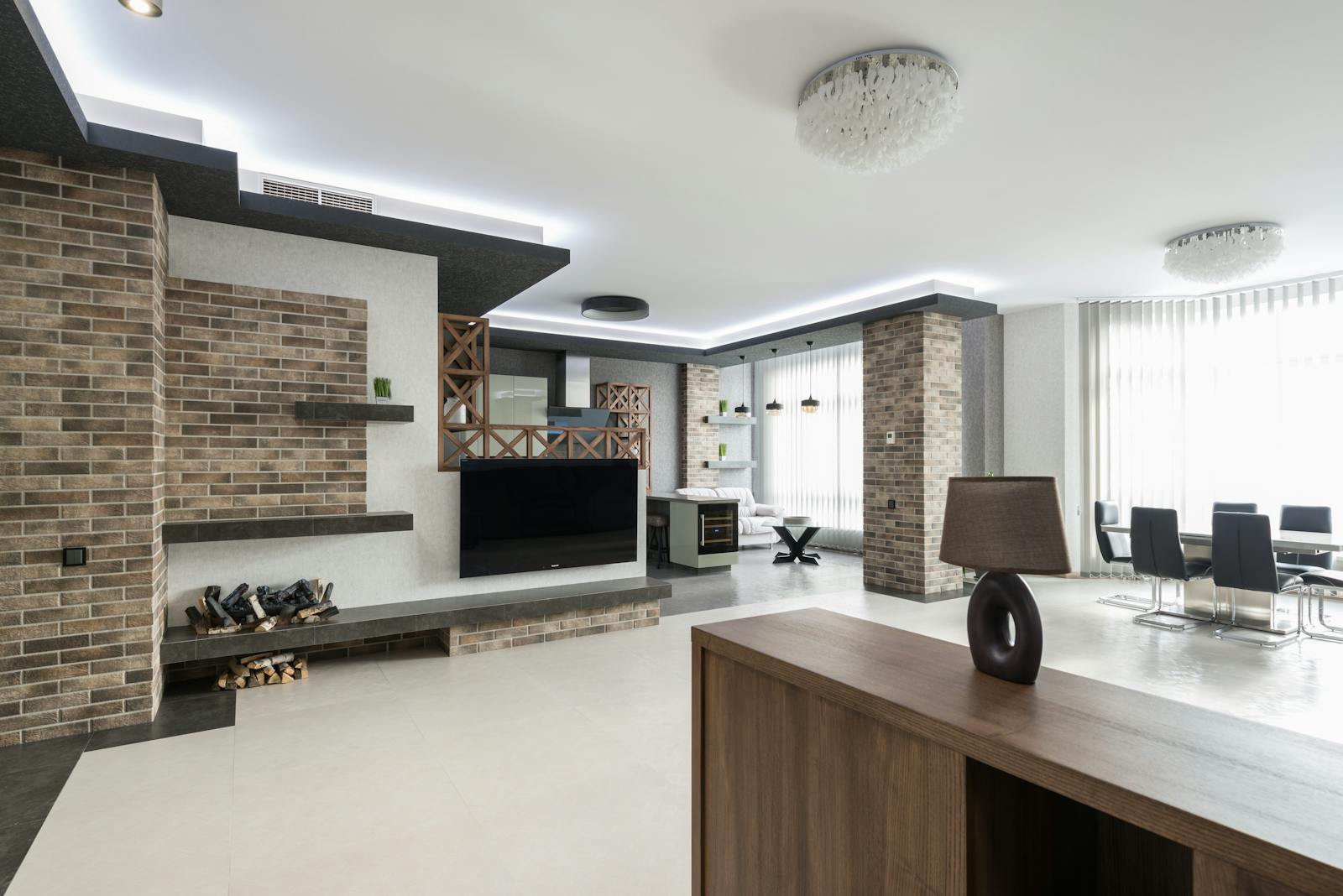
Embracing the Chaos of Wood Tones
Okay, let’s get real for a minute. You know how we’ve all been told that matching wood tones is the holy grail of home decor? Well, I’m here to declare that’s a total myth. Seriously, I used to stress about it, imagining my home looking like some kind of mismatched thrift store. But honestly? I’ve never felt more at peace with my home’s character than when I tossed that rule out the window.
The Great Wood Tone Debate
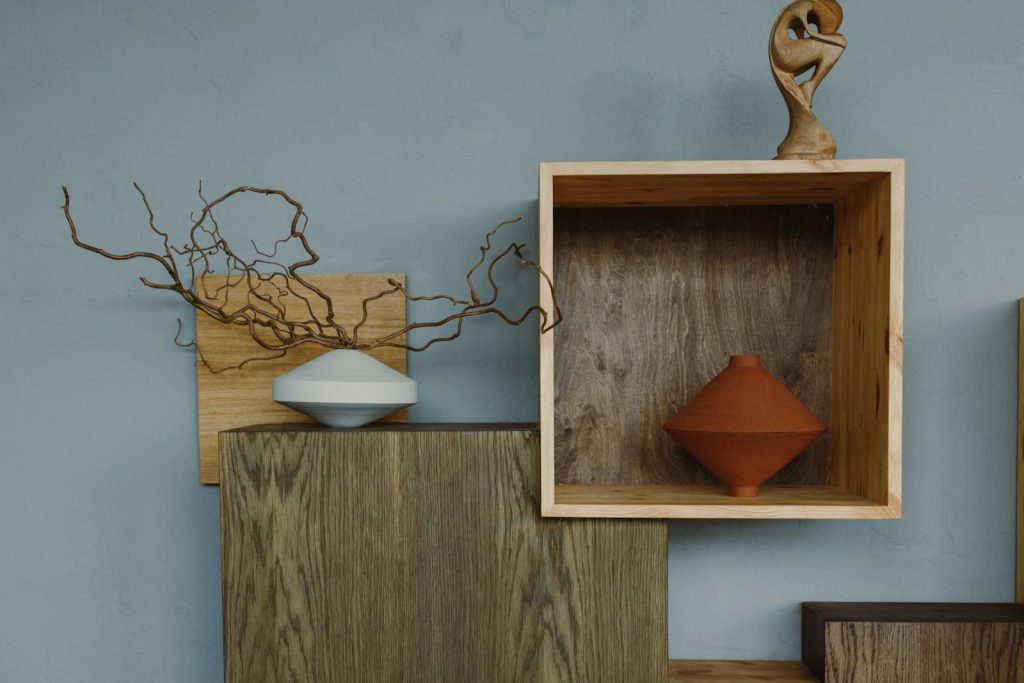
It’s a classic conundrum: you walk into a beautifully staged home, and every piece of furniture and decor seems to be in perfect harmony. The woods are all the same hue, and the vibe is, let’s admit it, pretty darn impressive. But who has time for that? Between my busy work schedule, family commitments, and the sheer chaos of life, I realized I’d rather have a home that tells a story than one that looks like it came straight out of a magazine.
When I first moved into my place, I tried to adopt the “matchy-matchy” approach. I painted the walls a soft gray, bought a dark walnut dining table, and then panicked when my beloved oak coffee table didn’t fit the mold. It was like trying to fit a square peg in a round hole. I’d visit friends’ places, admire their perfectly curated spaces, and then come home to my own little mishmash of wood tones and textures. It was frustrating!
Finding My Style
Then one day, while scrolling through Pinterest (the rabbit hole of all rabbit holes), I stumbled upon a photo that changed everything. It featured a cozy living room, filled with an array of wood tones and styles, from light maple chairs to a rustic reclaimed wood table. I thought, “Wait a minute, is that allowed?” The more I looked, the more I realized that each piece didn’t just belong; they complemented one another like old friends sharing stories over coffee.
So, I took a deep breath and let go of my need for perfection. I started mixing and matching woods, appreciating the uniqueness each brought to my space. I found a charming vintage side table that had seen better days but had so much character. It didn’t match my other furniture, but it added a dash of personality that I didn’t know my home was missing.
Character Over Conformity
Here’s the thing: life is messy, and our homes should reflect that. Each scratch, dent, and color variation tells a story. That time I dropped my phone on the coffee table? Yep, there’s a new ding there. My kids’ art projects? They’ve made their way onto the fridge and the walls, adding bursts of color that no perfectly matched decor could ever replicate.
When guests come over, they don’t just see a curated selection of furniture; they feel the warmth and energy of a home filled with life. My mismatched wood tones have become conversation starters. “What a cool table!” someone might say, and I can share how I found it at a flea market, or how it reminds me of my grandmother’s home. Each piece has a backstory, and that’s what makes my space truly special.
Practical Tips for Mixing Woods
If you’re feeling inspired to embrace the delightful chaos of mismatched wood tones, here are some friendly tips to help you along the way:
- Choose a Base Color: Start with a base color for your larger furniture pieces, like your sofa or dining table. This will help ground the space and make mixing easier.
- Play with Contrast: Light woods can look stunning against dark ones. Don’t shy away from contrasts; they add depth and interest.
- Incorporate Textures: Different textures can help unify the look. Think about mixing smooth finishes with rustic, reclaimed wood.
- Add Accessories: Use decor items—like cushions, throws, or art—to tie everything together. They can act as a bridge between different wood tones.
Conclusion: Your Home, Your Rules
At the end of the day, your home should reflect you and your life—chaos, mismatches, and all. So if you’ve been stressing about matching wood tones, I say let it go! Embrace the unique character that comes with each piece and create a space that feels genuine and warm.
More from Decluttering Mom: