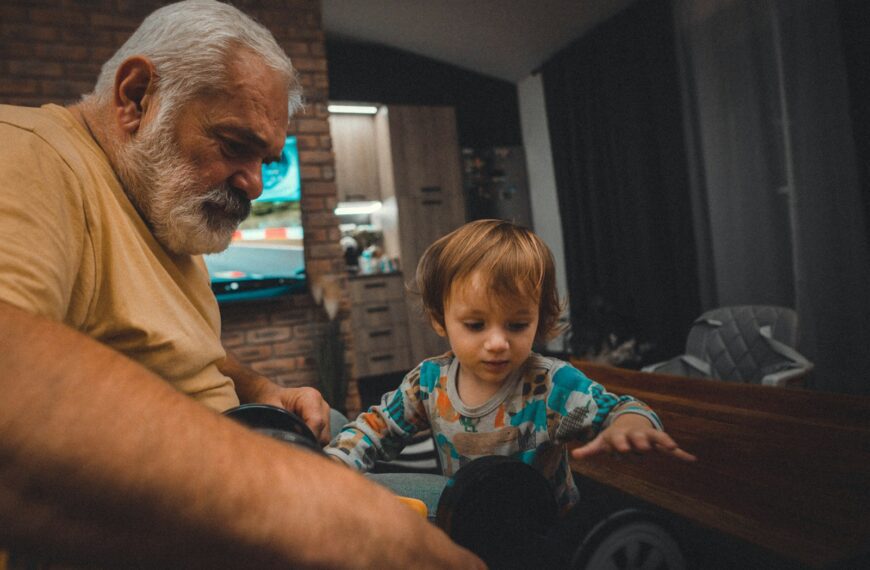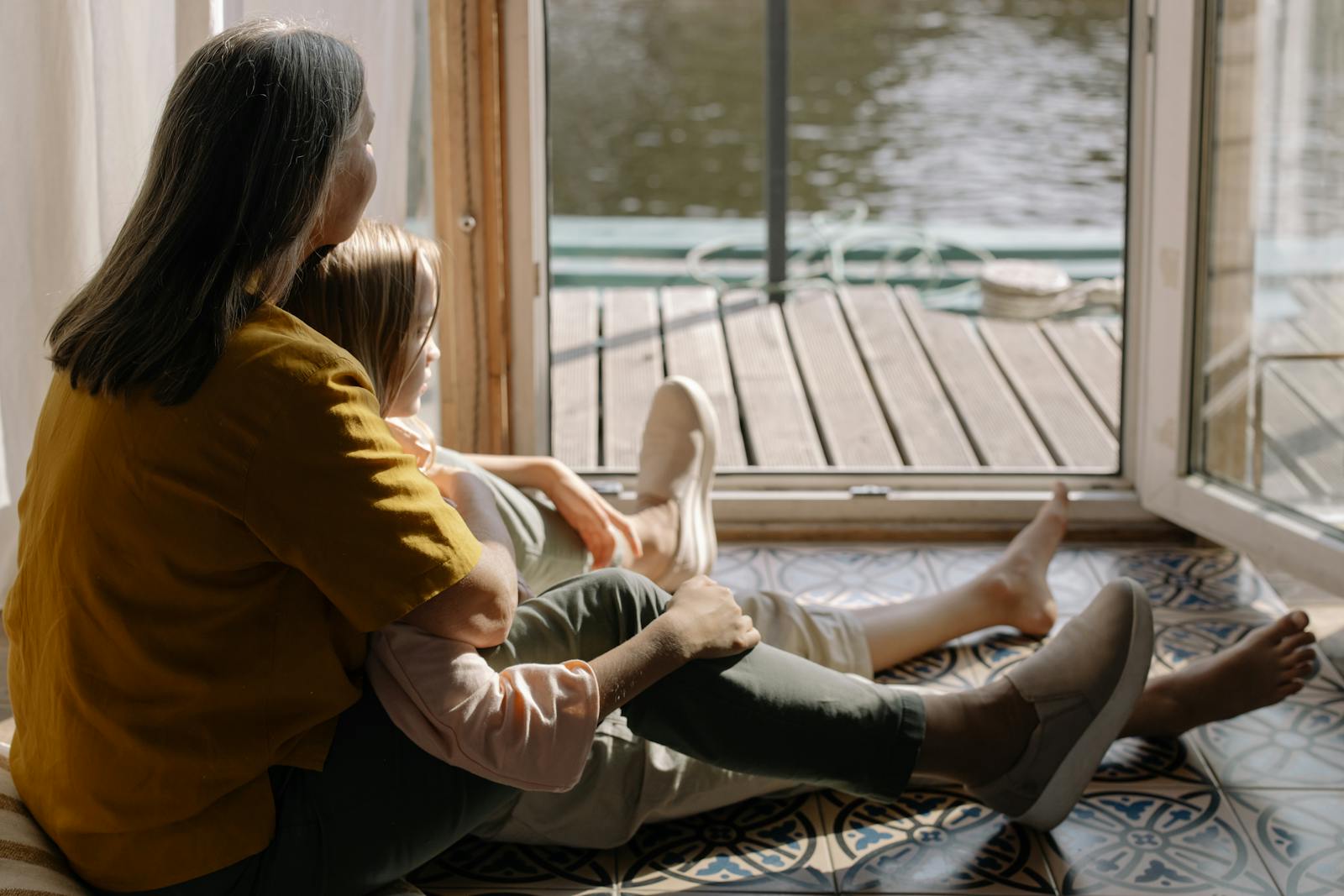
The car seat is buckled, the diaper bag is packed with twice as many supplies as anyone will need, and the grandparent is already standing at the front door, arms open. Everything about this scene says “safe.” And yet, the moment many new parents pull out of the driveway and leave their baby with a grandparent for the first time, tears come fast and hard.
That reaction catches people off guard. The baby is not with a stranger. The baby is with someone who raised you. So why does it feel like something is breaking? The answer sits at the intersection of postpartum biology, identity, and a culture that has turned hands-on parenting into a measure of personal worth.
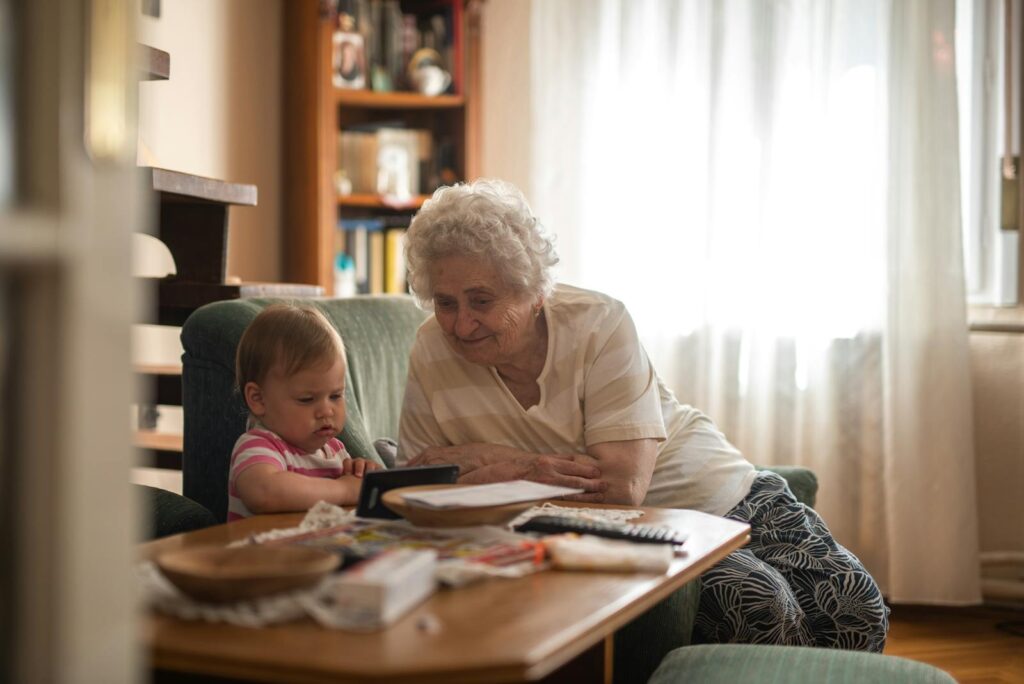
Why your body reacts before your brain can talk it down
In the early months after birth, the hormonal environment of a primary caregiver is wired for vigilance. Oxytocin, the hormone that supports bonding and breastfeeding, also heightens threat detection. Cortisol levels, which help the body respond to stress, can remain elevated well into the postpartum period. A 2016 study published in Hormones and Behavior found that new mothers showed heightened amygdala responses to infant cries, a neurological shift that keeps caregivers alert but also makes separation feel physically alarming.
That biology does not switch off because the calendar says the baby is old enough for an afternoon at Grandma’s house. When a parent drives away, the body can respond as though something dangerous is happening, even when the rational mind knows better. Heart rate climbs, the stomach tightens, and the urge to turn the car around can feel overwhelming. This is not weakness or “helicopter parenting.” It is a nervous system doing exactly what it evolved to do.
The identity shift hiding inside a simple afternoon
Biology is only part of the story. For many new parents, especially those who have spent months as the sole responder to every cry, feeding, and 3 a.m. wake-up, caregiving has quietly become the core of their identity. Handing a baby to a grandparent, even for a few hours, forces a question most people are not ready for: Who am I when I am not needed right now?
Licensed clinical psychologist Dr. Alexandra Sacks, who coined the term “matrescence” to describe the psychological transformation of becoming a mother, has written extensively about how new parenthood reshapes identity in ways that parallel adolescence. The process involves grief for a former self alongside excitement about a new role. When a grandparent steps in, that grief can flare unexpectedly, because the parent is confronting the reality that their child’s world is expanding beyond them.
This is compounded by cultural pressure. Social media feeds are filled with content that frames constant presence as proof of devotion. A parent who feels relief at having a free afternoon may then feel guilty about the relief, creating an emotional loop that makes the drive home even harder.
Why the first time really is the hardest
Parents who have been through this often say the same thing: the second drop-off is nothing like the first. There is good reason for that. The first separation is loaded with unknowns. Will the baby nap without the specific rocking pattern that took weeks to perfect? Will Grandpa remember that the pediatrician said no honey before age one? What if the baby cries the entire time and the grandparent cannot soothe them?
Once a parent returns to find a calm, fed, possibly sleeping child, the brain begins replacing catastrophic predictions with actual memories of things going well. Psychologists call this “corrective experience,” and it is one of the most reliable ways to reduce anxiety. Each successful handoff lays down new evidence that trusted adults can provide competent, loving care, even if their methods differ from the parent’s own.
That does not mean the anxiety vanishes entirely. But it typically shifts from panic to manageable unease, and eventually to something closer to genuine comfort.
The difference between normal anxiety and a red flag
It is worth noting that intense separation distress in a new parent is sometimes more than a rough afternoon. Postpartum anxiety disorders affect an estimated 10 to 15 percent of new mothers, according to Postpartum Support International, and can also affect fathers and non-birthing partners. Symptoms include intrusive thoughts about harm coming to the baby, an inability to sleep even when the baby is sleeping, and persistent dread that does not ease with reassurance or positive experience.
If the anxiety around leaving a child with a grandparent does not improve after several successful visits, or if it is accompanied by panic attacks, compulsive checking, or difficulty functioning, that is worth discussing with a healthcare provider. The goal is not to push through distress for its own sake but to distinguish between a normal adjustment and a condition that responds well to treatment.
What grandparents need to know (and what parents need to let go)
Smooth handoffs work best when both sides are clear about nonnegotiables versus preferences. Safe sleep positioning, car seat guidelines, allergy information, and emergency contacts belong on a short written list that stays at the grandparent’s house. These are not suggestions. They are safety standards backed by organizations like the American Academy of Pediatrics.
Everything else, the specific lullaby, the brand of pacifier, whether the baby watches ten minutes of a cartoon, falls into a different category. Grandparents who sing different songs, take longer walks, or let the toddler eat lunch in a slightly messier way are not undermining the parent. They are building their own relationship with the child. Learning to distinguish between “dangerous” and “different” is one of the harder skills of early parenthood, but it is also one of the most freeing.
Children benefit from more than one safe person
Developmental research has long supported the idea that children can form secure attachments to multiple caregivers. The work of psychologist John Bowlby, often cited as the foundation of attachment theory, was expanded by later researchers, including anthropologist Sarah Blaffer Hrdy, whose book Mothers and Others argued that humans evolved as “cooperative breeders,” meaning children have always been raised by networks of adults, not isolated parent-child pairs.
A 2020 review in Developmental Review confirmed that children who form secure attachments to multiple caregivers show benefits in social competence and emotional regulation. A baby who lights up when Grandma walks into the room is not replacing a parent. That child is doing exactly what healthy development looks like: building a wider circle of trust.
For parents who worry that a close grandparent bond will somehow dilute their own, the evidence points in the opposite direction. Children who feel secure with multiple adults tend to be more confident in their primary attachment, not less.
Giving yourself permission to feel both things at once
The tearful drive home after that first grandparent drop-off is not a problem to solve. It is a transition to move through. Relief and grief can share the same car ride. Gratitude for a willing grandparent can coexist with a sharp ache at not being needed for a few hours.
What helps most, according to parents who are well past this stage, is simple: go back and pick up your child. See that they are fine. Do it again the following week. Let the evidence accumulate. And if the anxiety does not ease, talk to someone who can help you sort out what is adjustment and what might need clinical attention.
The village was never meant to replace the parent. It was meant to surround them.
More from Decluttering Mom: