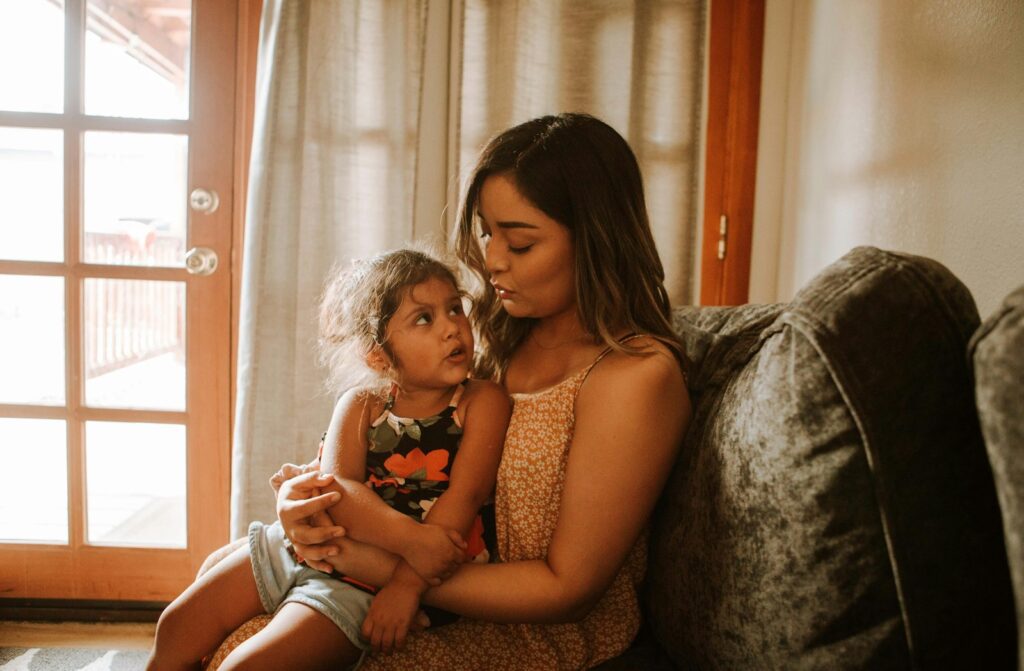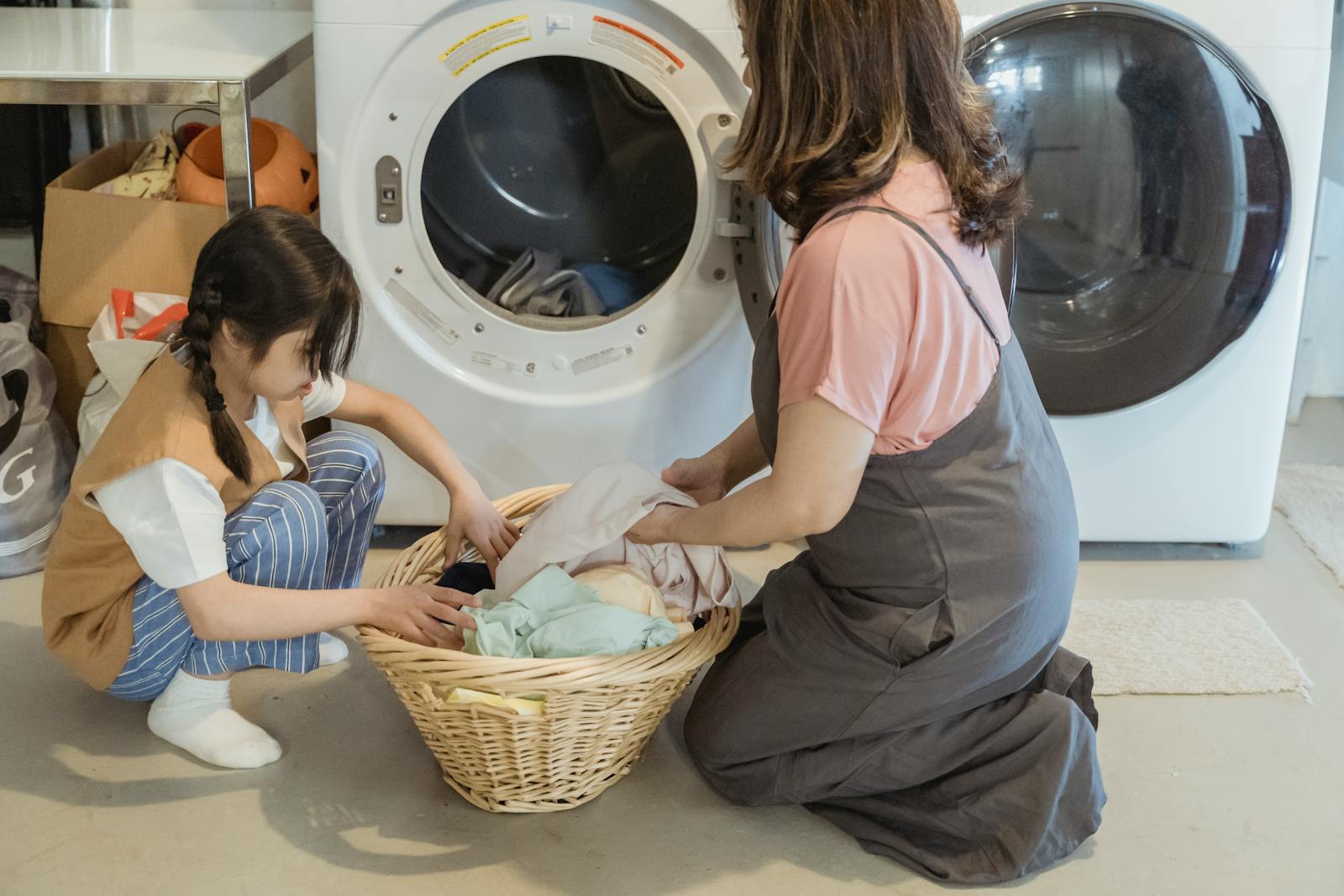
You watch a kid stand there embarrassed, pants soaked, and you act—handing him your daughter’s spare trousers because he needs them now. This isn’t a hygiene crisis; it’s a practical fix that most parents would do in a pinch, and you’ll see why the moral panic around “commando” wearing often outweighs the actual risk.
Your partner calls it “disgusting,” and that reaction hooks into bigger arguments about privacy, risk, and parenting norms. The piece will walk through the immediate facts, health and hygiene realities, and the social judgments that turn small, awkward moments into dramatic conflicts, so you can decide what matters most in these messy, everyday situations.
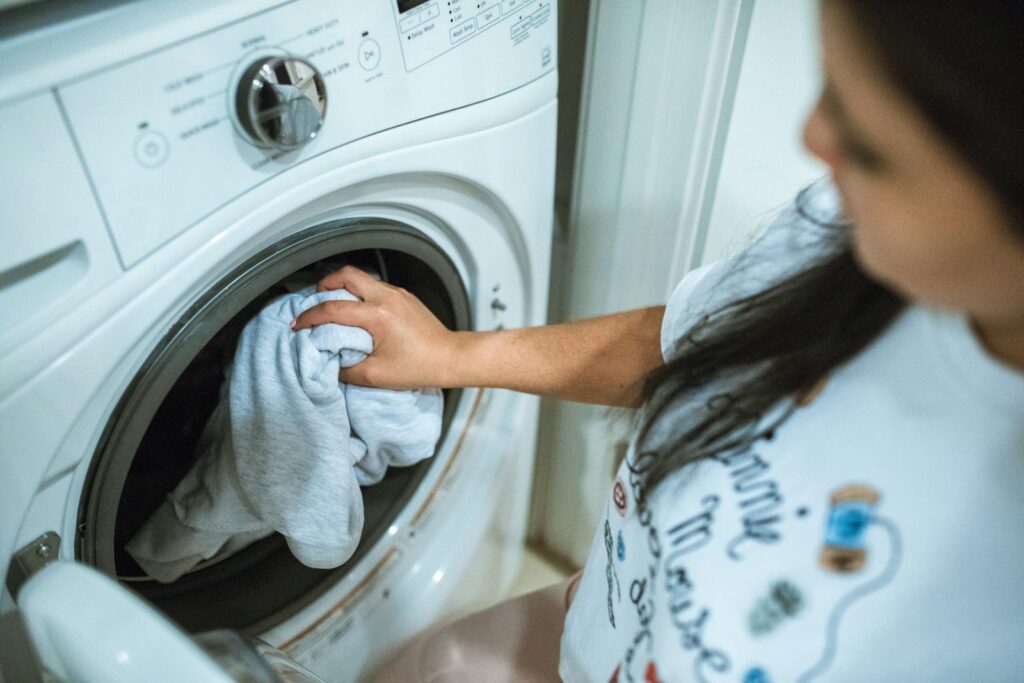
Why I Gave My Daughter’s Pants to Another Kid
He acted fast to keep the situation calm, clean, and private. The choice prioritized the kid’s dignity and getting everyone back to the outing without a scene.
The Accident: What Happened
They were driving home from the park when a small boy in the backseat started squirming and whispering that he needed the bathroom. He didn’t make it to the next stop; a warm puddle soaked the seat and his shorts. The boy froze, eyes wide, embarrassed and starting to cry.
The daughter climbed out, offered comfort, and said she had spare pants in her backpack. The parents assessed the mess: the boy needed clean clothes now, there was no bathroom nearby, and the car needed minimal disruption. Speed and discretion mattered.
Why Commando Was the Only Option
There were no clean underwear available in the backpack; the spare pants were the only dry garments within reach. Putting the pants on over damp underwear would have kept urine against his skin, risking chafing and infection. Removing the wet shorts and letting him wear the spare pants without underwear minimized contact and let the wet fabric air out in a paper bag until they reached home.
He judged that swifter cleanup outweighed discomfort from wearing pants without underwear temporarily. The spare pants fit loosely and could be adjusted for modesty with a jacket tied around the waist. The decision aimed to protect the boy’s skin and keep him comfortable enough to finish the drive.
Immediate Reactions
The boy relaxed almost immediately once dry pants were on; his crying stopped and he focused on a toy. The daughter shrugged it off as something kids deal with and kept playing quietly. The mother reacted with visible disgust when she noticed the pants had been worn without underwear and said it was “disgusting.”
The father explained the practical reasons calmly: no underwear available, quicker to change, less skin contact with wet fabric. Tension rose briefly, then shifted to logistics — where to dispose of the soiled shorts and whether to stop for showers. Others in the car stayed neutral, thankful the child felt better.
My Wife’s Response: Is It ‘Disgusting’?
She reacted strongly because the situation touched on hygiene, boundaries, and how they parent publicly. The next paragraphs break down the emotional logic, cultural expectations, and moments when sharing clothing crosses a comfort line.
Her Concerns Explained
She felt offended that a stranger’s wet clothes went into a child’s wardrobe without her consent. Her main worry centered on potential germs and the visual of the boy wearing underwear against bare skin; that image triggered a protective, disgust-based response. She also worried about precedent—if the family normalizes handing out used underwear, she feared it could lead to more awkward or unsanitary exchanges later.
Emotion played a big role. She felt the decision should be discussed, not improvised while she was feeding the baby. That lack of communication amplified her reaction. He believed it solved the immediate problem; she saw a boundary breach.
Cultural and Personal Hygiene Standards
Different families set different rules about shared clothing, especially underwear. In many households, underwear and items next to skin are treated as non-shareable because of moisture transfer and microbial risk. She referenced those norms even if she couldn’t cite a medical study in the moment.
Practical hygiene points matter: freshly laundered garments reduce risk; damp or soiled items increase it. He gave the pants straight from his car without washing, which matters to her. The social standard—what neighbors and relatives might think—also influenced her discomfort. She worried about judgment in case someone learned the kid had worn someone else’s unwashed underwear.
When Sharing Clothes Feels Gross
Disgust often signals a boundary has been crossed; it isn’t always rational but it is meaningful. In this case, the combination of underwear, direct skin contact, and no washing created that visceral reaction. She linked the physical detail (commando) to a hygiene red flag.
Practical fixes could reduce grossness: keep a spare set of children’s underwear in the car, carry a change kit, or offer a temporary outer layer like joggers over the wet underwear. He solved the immediate problem fast, but she wants planning to prevent repeats. Small habits can remove the cringe without escalating conflict.
Health, Hygiene, and Kid Accidents
Children’s accidents happen often and usually pose low health risk if handled promptly. Proper cleanup and washing protect other children and prevent skin irritation or odor.
Are There Real Sanitary Risks?
Urine is mostly water with small amounts of urea and salts; it rarely carries dangerous pathogens in healthy children. The main risks are skin irritation, smell, and bacterial growth on fabrics left damp for long periods. If the child had diarrhea, fever, or a diagnosed infection, fluids can contain pathogens and require more cautious handling.
Direct skin contact with washed and fully dried clothing is unlikely to transmit disease. Avoid reusing visibly soiled garments without washing. If anyone in the household has a compromised immune system, treat accident laundry more carefully and limit shared clothing.
Washing Kids’ Clothes After Accidents
Pretreat solid waste and rinse urine out immediately under cold running water to reduce stains and bacteria. Use a standard laundry detergent and wash on the warmest water safe for the fabric; add a color-safe disinfectant or non-chlorine bleach for whites and colorfast items.
Dry clothes thoroughly—heat from a dryer helps kill microbes. For items that can’t be machine-washed, soak in detergent and rinse, then air-dry in sunlight when possible. Place visibly soiled items in a sealed bag until laundering to contain odor and moisture.
Practical checklist:
- Rinse solids away before washing.
- Use warm water and regular detergent.
- Add disinfectant if infection is suspected.
- Dry completely; use heat when fabric allows.
Expert Opinions on Sharing Clothing
Pediatricians and infection-control experts generally view sharing clean, laundered clothing as low risk. They emphasize prompt washing after accidents and basic hygiene like handwashing after handling soiled garments. Experts caution that sharing unwashed or damp clothes increases discomfort and odor and may irritate sensitive skin.
Childcare professionals recommend keeping an extra set of spare clothes at school or daycare to avoid needing to transfer garments between children. If parents express strong aversion, experts suggest respectful communication and practical alternatives, such as offering new or freshly washed items instead of used clothing.
Parenting Perspectives on Gross Moments
Parents weigh practicality, hygiene, and etiquette differently when kids are involved. Small emergencies force quick decisions; those choices reveal personal comfort levels and household norms.
Why Parents Get Desensitized
Parents who handle bodily fluids, vomit, and blowouts daily adjust faster than others. Repetition lowers the shock response: cleaning a toddler after a diaper blowout becomes a routine task rather than a crisis. That doesn’t erase disgust, but it makes action immediate and pragmatic.
Desensitization also ties to time pressure. When a child needs clothes or care right away, parents prioritize solving the problem over ideal hygiene. Many report that necessity — not preference — leads them to use available items, like passing along clean pants from another child.
Emotional factors play a role too. Parents protect children from embarrassment and often normalize messes to keep the situation calm. That normalization helps the child recover emotionally and reduces parental stress during public incidents.
How Messy Is ‘Normal’ for Kids?
“Normal” depends on age and activity. Infants and toddlers commonly soil clothes with urine, stool, or food; school-age kids more often deal with spills, boogers, and playground grime. Frequency drops as toilet training and self-care improve.
Health risks remain low for routine incidents when parents follow basic hygiene: wash hands, launder contaminated clothing, and treat open skin carefully. For urine-only incidents, a quick wash and change usually suffice. For fecal contamination or visible illness, more thorough cleaning and separate laundering are advisable.
Context matters: in public, changing a child discreetly may require improvisation. At home, parents can be stricter about replacing garments and isolating soiled items. Families set different thresholds for what they’ll tolerate based on convenience and concern.
Stories from Other Parents
Many parents share small, pragmatic choices: lending a sibling’s pants, rinsing and reusing an extra shirt, or letting a kid ride home in a spare hoodie. These anecdotes highlight quick thinking more than moral judgment.
Some parents recall stronger reactions — refusal to share underwear or insisting on full clothing changes — often tied to personal boundaries or cultural norms. These differences often spark household debates about cleanliness versus compassion.
For documented accounts of particularly gross parenting moments and the range of reactions, see collections of real-life stories such as those on CafeMom and Romper, which compile parents’ candid experiences and show how common and varied these situations are.
Dealing With Judgment and Everyday Parenting Surprises
Everyday parenting throws up awkward moments, split-second choices, and other adults’ quick opinions. Practical steps help a parent stay calm, protect the child’s dignity, and move on.
Handling Negative Reactions
When someone snaps a judgmental comment, the parent can respond with a short, factual line that ends the conversation. For example: “He needs clean clothes; we sorted it.” That statement changes the tone without escalating.
If the spouse reacts strongly, address it later in private. Say what happened, explain why a decision was made, and listen to their concerns. They may feel embarrassed or protective; validating that emotion reduces tension.
Use a couple of verbal tools in public: a brief apology if others were affected, a calm explanation of safety or hygiene steps taken, and then redirect attention back to the child. Those moves keep the child from becoming the focus of gossip.
The Reality of Parenting in Public
Public outings involve unpredictable bodies, toilets, and patience levels. A parent should carry a small emergency kit: spare bottoms, wet wipes, and a plastic bag. Having these items avoids frantic borrowing or improvised swaps.
When a child soils clothing, prioritize warmth and modesty over fashion norms. If another kid needs pants, trade quickly and discreetly; the child’s comfort matters more than social niceties. That practical choice may look odd but prevents prolonged distress.
Expect strangers to stare or comment. Most don’t mean harm; they just react to the surprise. Staying composed and acting efficiently models problem-solving for the child and shortens the episode.
Finding Humor in Messy Situations
Humor defuses shame and rebuilds perspective fast. A parent can make a light, kid-friendly joke — nothing about blame — to shift an embarrassed child’s mood. Laughter here is a tool, not a dismissal of the child’s feelings.
Share the anecdote later with close friends or family as an amusing cautionary tale. That frames the event as a normal parenting blip, not a moral failing. It also gives the spouse room to laugh rather than stew.
Use small rituals to reset after a mess: a favorite song on the drive home, a special snack, or a warm bath. Those actions turn an unpleasant memory into an ordinary story the family can file away.
Lessons Learned and Moving Forward
They can acknowledge emotions without escalating the situation. A short apology for the surprise or discomfort goes a long way and shows respect for household norms.
He can set clearer expectations for guests and children. A simple rule — like offering spare clothing and checking comfort preferences — prevents awkward moments.
They should consider hygiene and consent more deliberately next time. Asking before swapping clothes or explaining the situation calmly reduces misunderstandings.
Use practical steps to avoid repeats. Keep an accessible stash of clean clothes, label sizes, and communicate where extras live so anyone can help themselves quickly.
Address differing views with empathy and limits. If one partner feels strongly, they can agree on private boundaries while keeping solutions child-centered.
They might treat this as a small corrective moment rather than a moral failing. Kids are the priority; practical fixes and calm conversations solve most issues.
If tension persists, they can agree on one or two household policies. Writing them down — who handles laundry, what counts as acceptable clothing loans — makes follow-through easier.
For further reading on social reactions and family conflict, see a discussion about public criticism and parental disputes on Facebook about child-related conflicts.
More from Decluttering Mom: