New motherhood arrives with a strange mix of survival mode and social performance review. A parent can be one week out from birth, bleeding through pads and cluster feeding on the couch, and still feel guilty for texting a friend to bring diapers. The headline confession about asking a mom friend for help and then feeling oddly ashamed sits right in that tension between needing a village and worrying that needing one makes someone a bad host of their own life.
That tension is not a personal quirk; it is baked into modern expectations of motherhood. Cultural scripts tell new parents to be endlessly grateful for help, fiercely independent, perfectly bonded with the baby, and somehow low maintenance for everyone around them. No wonder a simple diaper request can feel loaded.
The diaper text that felt like too much
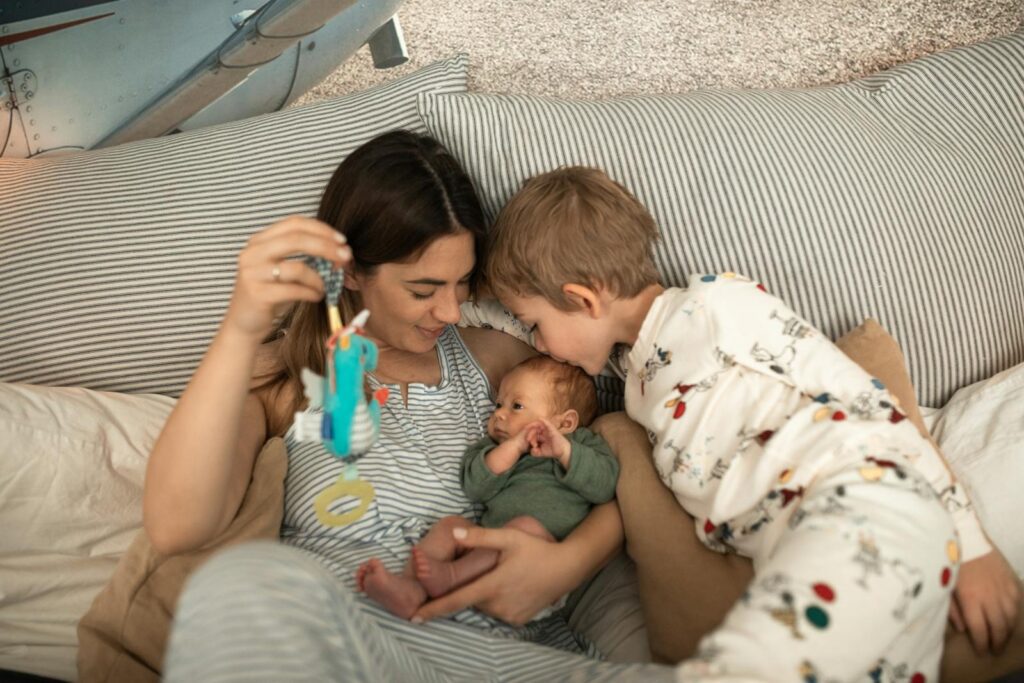
Picture the scene: the baby is six days old, the living room looks like a medical supply closet, and the last clean onesie is on the dog. A mom friend is already planning to stop by, so the new parent adds one more line to the message: “If you have a minute, could you grab a pack of size 1 diapers?” The request is practical and tiny, yet as soon as it is sent, a wave of shame hits. Suddenly the favor feels like proof that she is unprepared, demanding, maybe even using her friend.
That emotional whiplash echoes what a survey of new mothers found when it asked how early expectations compared to reality. The research, commissioned to look at pressure on parents, reported that a large share of respondents felt they were constantly failing at what they “should” do, and that guilt was nearly universal among new mothers who compared their imagined version of postpartum with how it was actually unfolding in real time. The survey was framed as a formal survey, and its language about what every new mother “should” do captures the script sitting behind that one guilty text. Yet, according to that research, the gap between expectations and reality is not a moral failing, it is the norm.
Postpartum is already brutal without the guilt tax
There is also the basic physical reality of being one week postpartum. Bodies are still processing birth, whether it was a scheduled cesarean or an hours long labor that ended in stitches. Hormones crash, sleep is shredded into 90 minute chunks, and basic tasks like showering or unloading the dishwasher can feel like a team sport. When a parent in that state asks a friend to bring diapers, they are not outsourcing laziness, they are compensating for a body that is still in recovery.
One new mother, reacting to a banned postpartum ad, put it bluntly: “I’m one week postpartum and this is wayyy too real. I’ll survive, but I really wish someone had given me some sort of heads up on what to expect.” Her reaction, shared in support of more honest postpartum education, shows how little practical preparation many parents receive for the messy, painful first weeks and how much they rely on informal networks to fill that gap. The comment sits inside a broader push for postpartum education that actually reflects the blood, pads, tears, and logistics of early recovery instead of just pastel nursery photos.
“Village” expectations and the working mom trade off
Layered on top of physical recovery is a cultural debate about what it really means to “have a village.” In one corner of the internet, parents vent about feeling abandoned by friends who do not show up. In another, a working mom on Reddit gently pushes back, pointing out that there is nothing wrong with not wanting a village at all, and that parenting styles will always involve trade offs. In that thread, a commenter frames it simply: “There’s nothing wrong with not wanting a village and parenting the way you want. There will always be a trade off.” That line cuts to the heart of the guilt spiral around the diaper text. If a parent wants support, they fear being too needy. If they lean away from support, they fear shortchanging their child.
The same Reddit discussion also hints at how lopsided the emotional labor can feel. Some parents are exhausted by being everyone else’s village, the one who remembers birthdays, drops off casseroles, and runs emergency school pickups, while quietly wishing someone would do the same for them. Others guard their time fiercely, especially if they are juggling careers with caregiving, and are honest that their bandwidth is limited. The thread, hosted on r/workingmoms, captures that tension without shaming either side. It suggests that the real problem is not asking for diapers, it is the assumption that everyone must want or offer the same kind of village.
Why asking for help feels like a personality flaw
Underneath the surface story about diapers is a deeper story about how people are taught to communicate needs. Many adults grew up learning that the polite thing is to hint, not ask, and then feel hurt when others do not read between the lines. That pattern shows up in how parents talk to their kids too. In one popular video about autistic children who struggle with social demands, the creator cautions viewers not to pepper kids with questions in the hope that they will eventually respond. Instead, she suggests turning questions into declarative statements that invite a response without demanding one. Her script starts with “Hey, what are they finding about? Hey, are they mad at each other?” then shifts into gentler, less pointed commentary.
That advice, shared in an Instagram reel, applies surprisingly well to adult friendships. A new parent who texts, “We are drowning in laundry and out of diapers” is not forcing anyone to help, they are simply stating reality. Friends who have capacity can opt in. Friends who are maxed out can send love and sit it out. Communication research around platforms like Instagram, including the technical analysis of how people share and respond, shows how much modern connection is filtered through quick posts and messages rather than long, negotiated phone calls. That shift can make direct asks feel extra loud, even when they are reasonable.
The partner factor and “survival mode” marriages
Then there is the quiet question hiding behind the diaper request: why did the parent need to ask a friend instead of a partner? In a short video on couple dynamics, a therapist describes what happens when one partner feels overwhelmed. Instead of leaning into the relationship for support, that person starts trying to protect themselves. They go into survival mode, pull back emotionally, and sometimes even avoid asking for help because they assume the answer will be no or that the other person simply does not have the capacity.
That pattern is especially common in the newborn phase, when both adults are sleep deprived and the division of labor can feel unfair. If a new mother already senses that her partner is tapped out or defensive, she might find it easier to text a friend about diapers than to have another tense conversation about household responsibilities. The therapist in that couples counseling clip describes how, instead of leaning into a partner for assistance and help, people start building emotional bunkers when they feel unsafe or unheard. That survival stance can make every small favor feel like a referendum on the relationship, which only intensifies the guilt when support comes from outside the couple.
More from Decluttering Mom: