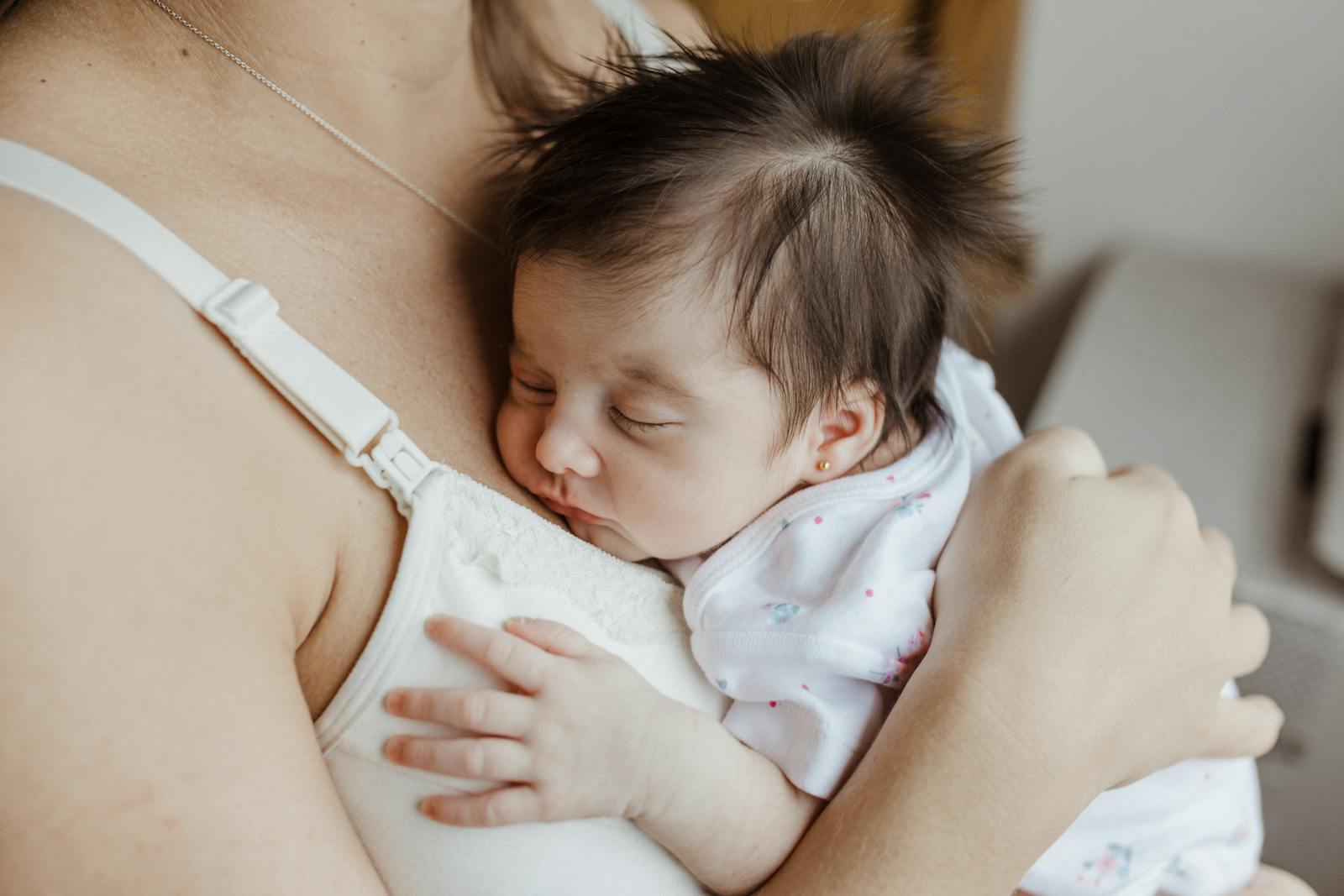
Traumatic birth is not just a dramatic phrase; it is the quiet reality for parents who leave the delivery room alive but profoundly altered. When a person hemorrhages twice bringing a baby into the world, four months later they can still feel like a stranger in their own skin, mentally replaying the emergency while everyone else coos over the newborn. The body may be technically “out of danger,” yet the mind and identity remain in the thick of it.
That disconnect between survival and recovery is where many new parents get lost. They are told to be grateful that the baby is healthy, to bounce back to work, to fit into old jeans, to stop talking about the blood and the fear. Instead of feeling like a triumphant parent, they can feel like a ghost haunting their own life, watching someone else hold the baby and wondering who they even are now.
When Birth Feels Like Brushing Against Death
In stories of postpartum hemorrhage, the medical crisis is only the first chapter. Researchers who examined women “being touched by death while giving birth to life” describe how survivors of severe postpartum bleeding, or PPH, often move from expecting joy to suddenly confronting their own mortality, creating a stark emotional contrast that can linger long after the bleeding stops. Their work found that women who survive PPH have an increased risk of being diagnosed with anxiety, depression and post-traumatic stress, and that the fear in those moments is not abstract but a calculation of whether they will live to raise the child they just delivered, as detailed in one meta-ethnography on women who survive.
That sense of being “touched by death” shows up in everyday details. A parent might avoid the hospital where they delivered, feel their heart race when they pass the intersection where the ambulance turned, or freeze when they smell antiseptic. Studies on the emotional and social impact of severe bleeding after childbirth report that survivors can struggle with ongoing fear of another hemorrhage, difficulty bonding, and even worries about malnutrition or neglect if they are too unwell to care for their baby, rippling through family life and community support networks.
The Hidden Signs Of Birth Trauma Four Months On
By four months postpartum, friends and relatives often assume the crisis is over, but the psychological fallout can actually be peaking. Mental health charities that focus on postnatal distress describe how birth trauma and postnatal PTSD can involve vivid flashbacks, intrusive images, nightmares and a constant sense of dread that the trauma is happening again. They list signs such as reliving the emergency, avoiding anything that reminds the parent of the birth, feeling jumpy or on guard and sometimes being unable to express affection, all of which can appear months after delivery according to guidance on birth trauma and.
Medical teams are starting to name this more clearly. Clinicians who study birth trauma point out that it can be hard for parents to recognize their own symptoms, especially when they are told to focus on a “healthy baby” and push aside their fear. They describe how trauma is defined not only by what clinicians see in the chart but also by how the person experienced the birth, and they urge parents to talk to a healthcare provider if they notice ongoing panic, intrusive memories or a sense that something is very wrong, because diagnosis and treatment of birth trauma are not always straightforward.
The Fourth Trimester Is Longer Than Anyone Admits
Culturally, there is a quiet assumption that recovery wraps up by six weeks, right around the time of the standard postpartum check. In practice, bodies and minds move on a much slower clock. Obstetric providers often describe three stages of recovery, starting with an acute phase in the first 6 to 12 hours that focuses on stabilizing bleeding and pain, then an early weeks phase when stitches, uterus and hormones are shifting, and finally a longer stretch when energy and strength gradually return, as outlined in some postpartum recovery guidance.
For someone who has hemorrhaged twice, that timeline is even less linear. The body has lost significant blood, maybe required transfusions, and the nervous system has been through a genuine threat to life. Other clinicians compare the postpartum period to a mini-menopause, with sharp hormonal drops that can trigger mood swings, night sweats and vaginal dryness while physical healing drags on for months, especially after complications. Layered on top of trauma, that hormonal turbulence can make a parent feel emotionally unrecognizable even when lab results say they are “fine.”
“I Don’t Recognize Myself” Is A Symptom, Not A Failure
Feeling like a stranger in one’s own life is not a character flaw; it is a classic mark of trauma. Mental health services that work with postnatal PTSD explain that people may feel detached from their baby or partner, emotionally numb, or as if they are watching their life from the outside, which can be part of the same cluster of symptoms as flashbacks and hypervigilance described in resources on how to cope. That sense of disconnection can be especially strong around four months, when sleep deprivation, feeding challenges and the loss of a former work or social identity all collide.
Therapists who specialize in traumatic birth experiences talk about “shattered expectations,” the gap between the birth someone hoped for and the emergency they actually lived through. They emphasize that trauma is subjective, that what felt terrifying in the moment counts even if the chart calls the delivery “uncomplicated,” and they encourage parents to name their experience as trauma rather than brushing it off, a message echoed in guidance on how to start healing from. In that frame, “I still don’t feel like myself” becomes a clinical clue that support is needed, not proof that the parent is ungrateful or weak.
Finding Support When Everyone Thinks You’re “Over It”
One of the hardest parts for survivors is that by the time they reach four months postpartum, most of the casseroles and check-in texts have stopped. Yet research on depressive symptoms between one week and four months after childbirth suggests that psychological indicators can shift significantly over that span, influenced by both physiological complications and social factors like isolation, as shown in studies of postpartum mood changes. In other words, the moment when everyone else assumes the crisis is behind the family can be exactly when the emotional fallout lands.
There are, however, real lifelines. Peer support spaces are growing, including online groups that connect survivors of traumatic birth and postpartum hemorrhage across cities and time zones. Some organizations host free virtual circles where parents can log in from a couch, camera on or off, and talk about panic attacks, medical gaslighting or the guilt of not enjoying motherhood, as offered in various online support meetings. For those who need more structured help, trauma-informed therapists can guide people through telling their birth story, processing the fear and grief, and rebuilding a sense of self that includes both the person before pregnancy and the survivor who exists now.
More from Decluttering Mom: