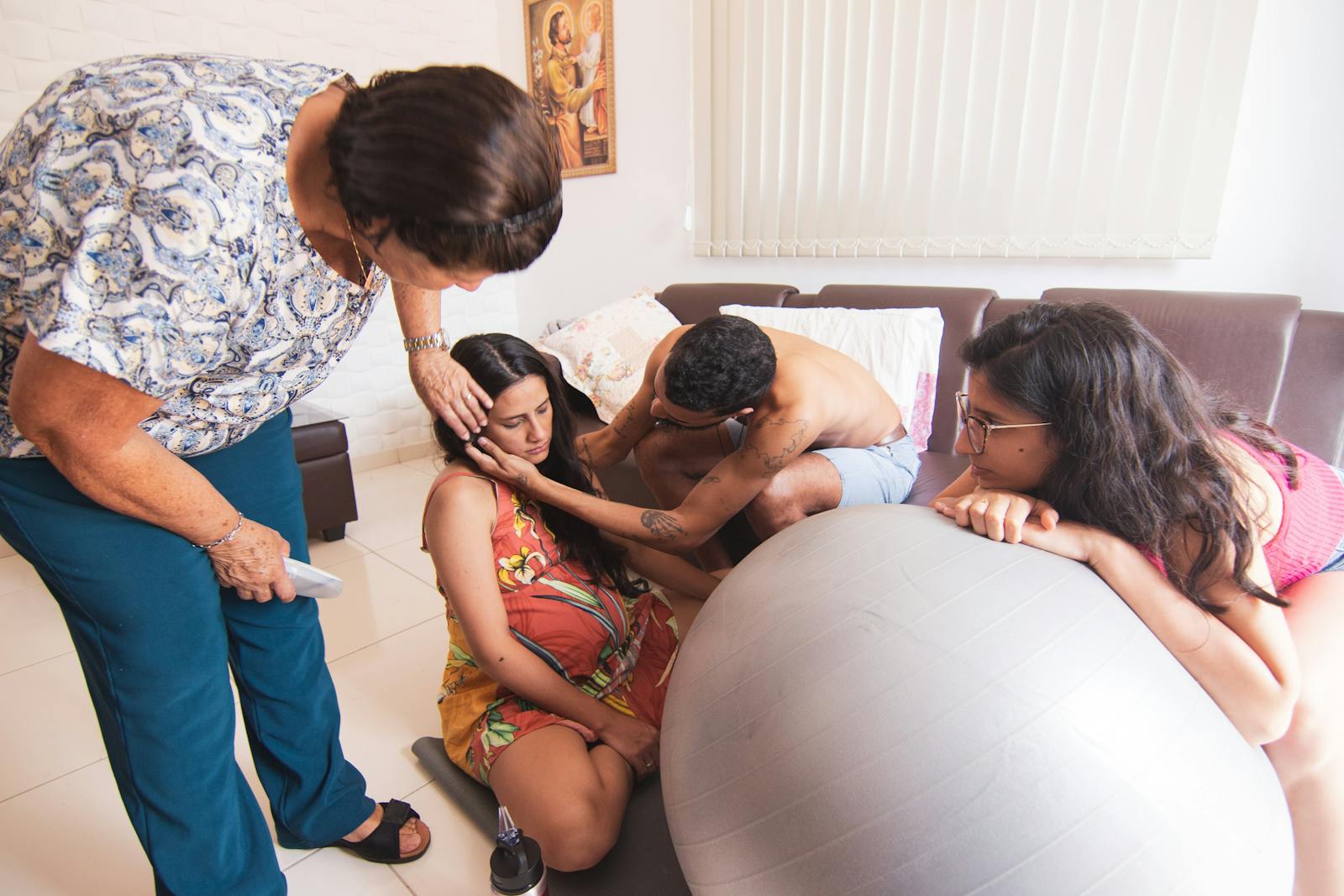
She survived two postpartum hemorrhages, and the baby is healthy. By every measure the hospital tracks, the crisis is over. But four months later, she flinches at the sound of a blood-pressure cuff inflating. She cannot remember the first hour after delivery without her pulse climbing. And when well-meaning relatives ask why she is not “back to herself yet,” she does not have an answer that fits into small talk.
That gap between medical survival and emotional recovery is not a personal failing. It is one of the most under-recognized consequences of complicated childbirth, and it affects far more families than most people realize.
Birth trauma is not the same as a hard delivery
A long labor is hard. A hemorrhage that requires emergency transfusion is traumatic. The distinction matters clinically. The Cleveland Clinic defines birth trauma as emotional distress or physical injury following childbirth, noting that it can produce nightmares, intrusive thoughts, hypervigilance and avoidance of anything connected to the delivery, even when the baby is perfectly fine.
Research consistently shows this is not rare. A 2017 systematic review published in the Journal of Affective Disorders found that between 25% and 34% of women describe their birth as traumatic, and roughly 3% to 9% go on to meet full diagnostic criteria for post-traumatic stress disorder. The Blue Dot Project, a maternal mental health advocacy organization, highlights that symptoms often include a persistent sense of unreality and detachment, the very feelings that can make a new parent wonder whether something is fundamentally wrong with them rather than recognizing a predictable response to a life-threatening event.
Why four months postpartum is a pressure point
Around the sixteen-week mark, the social scaffolding that surrounded early recovery tends to collapse. Meal trains end. Parental leave runs out. Relatives shift from “How are you healing?” to “So when are you going back to the gym?” As Ovia Health’s postpartum guide notes, four months is a milestone, but it is completely normal to not feel like your usual self.
For someone who hemorrhaged, the timeline pressure is especially cruel. Iron-deficiency anemia after significant blood loss can take months to resolve, dragging energy and cognition down long after stitches have healed. Breastfeeding while anemic adds another metabolic demand. And none of that accounts for the psychological weight of having nearly died in a room full of people focused, appropriately, on keeping you alive rather than explaining what was happening.
Psychologist Ashurina Ream, writing in Psychology Today in February 2025, describes this collision of loss and new responsibility as postpartum identity grief. Many new parents mourn the freedom of their old life while trying to embrace a new role, she writes. After a traumatic delivery, that grief is compounded by fear and anger about how close they came to not surviving at all.
What PTSD looks like when you are also caring for a newborn
Post-traumatic stress after birth does not always look the way people expect. The UK mental health charity Mind lists vivid flashbacks, intrusive memories and physical panic triggered by hospital-related stimuli among the hallmark signs. But it also flags subtler patterns: difficulty expressing affection, avoiding medical appointments and feeling constantly on edge.
For a hemorrhage survivor, a routine postpartum blood draw can flood the nervous system with sensory memories: the smell of antiseptic, the cold of an IV line, the controlled urgency in a nurse’s voice. The Cleveland Clinic adds that trauma can surface in behaviors that seem unrelated to childbirth at first glance, including irritability, compulsive checking on the baby at night and reckless spending. A parent who cannot sleep without confirming every thirty minutes that their infant is still breathing is not being overprotective. They may be trying to prevent a catastrophe after learning, viscerally, that catastrophes happen.
That hypervigilance turns the postpartum body into hostile territory, a place where something already went badly wrong and where the nervous system refuses to stand down.
Naming it changes what comes next
One of the most common barriers to recovery is the belief that if the baby is healthy, the parent has no right to grieve. Trauma specialists push back hard on this. Postpartum Support International emphasizes that birth trauma is subjective: what felt terrifying to one person may not register for another, and self-blame often keeps people from seeking care.
Ream’s “name it to tame it” framework applies here. Recognizing that longing for a pre-baby body, or for a delivery that did not involve emergency intervention, is not a betrayal of the child. It is a normal grief response to a profound loss of control. For someone who hemorrhaged twice, that might mean sitting with anger at a body that “failed” alongside gratitude for survival, rather than forcing a leap to acceptance.
Concrete paths to support
If any of this resonates, the following resources are available now:
- 988 Suicide & Crisis Lifeline: Call or text 988 for immediate emotional support, 24 hours a day. The Utah Maternal and Infant Health Program maintains a dedicated birth-trauma resource page listing 988 alongside specialized perinatal hotlines.
- Postpartum Support International (PSI): Call 1-800-944-4773 or text “HELP” to 800-944-4773. PSI’s helpline connects callers to local therapists and trained peer volunteers who specialize in perinatal distress.
- Trauma-focused therapy: Evidence-based approaches include EMDR (Eye Movement Desensitization and Reprocessing) and CPT (Cognitive Processing Therapy), both of which have strong research support for PTSD. The Preeclampsia Foundation’s guide to healing after traumatic birth notes that therapy provides a structured space to examine shattered expectations and rebuild a sense of safety in one’s own body.
- Peer support groups: Organizations like the Birth Trauma Association offer online communities where survivors share experiences without judgment, which can be especially valuable for parents who feel isolated by the “but your baby is fine” response.
What partners and family members can do
If someone you love survived a traumatic delivery, the single most helpful thing you can say is: “That was terrifying, and it makes sense that you’re still affected by it.” Minimizing (“At least the baby is healthy”) or rushing (“It’s been four months, maybe it’s time to move on”) reinforces the isolation that keeps trauma locked in place.
Beyond words, practical support matters. Attending a postpartum appointment together, taking a night feed so the recovering parent can sleep without alarm-clock vigilance, or simply not asking “Are you back to normal yet?” can create the breathing room that healing requires.
More from Decluttering Mom: