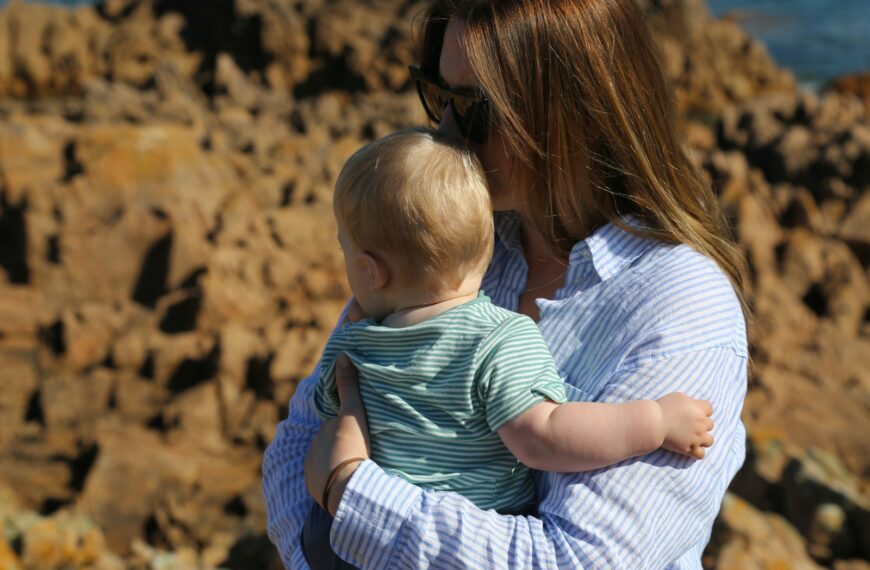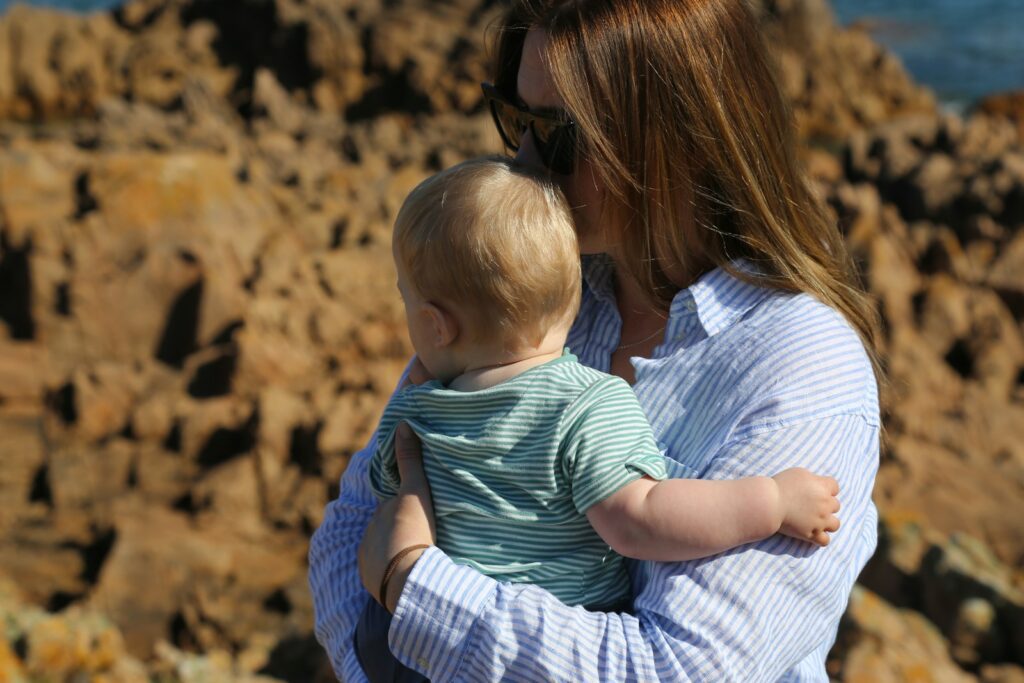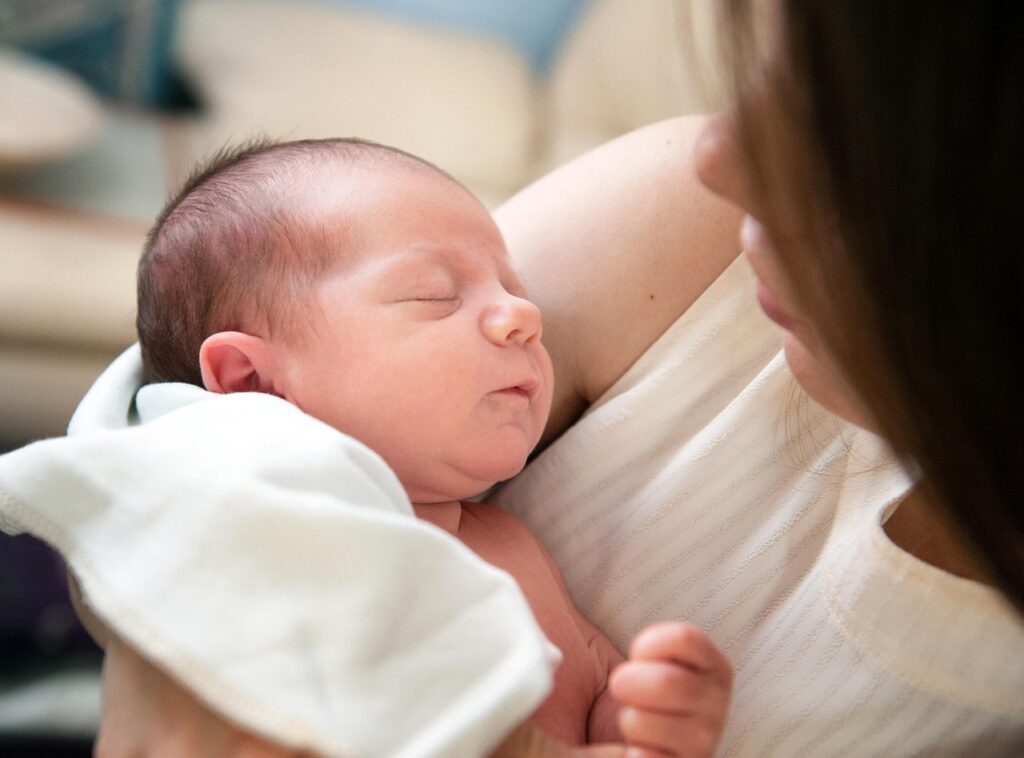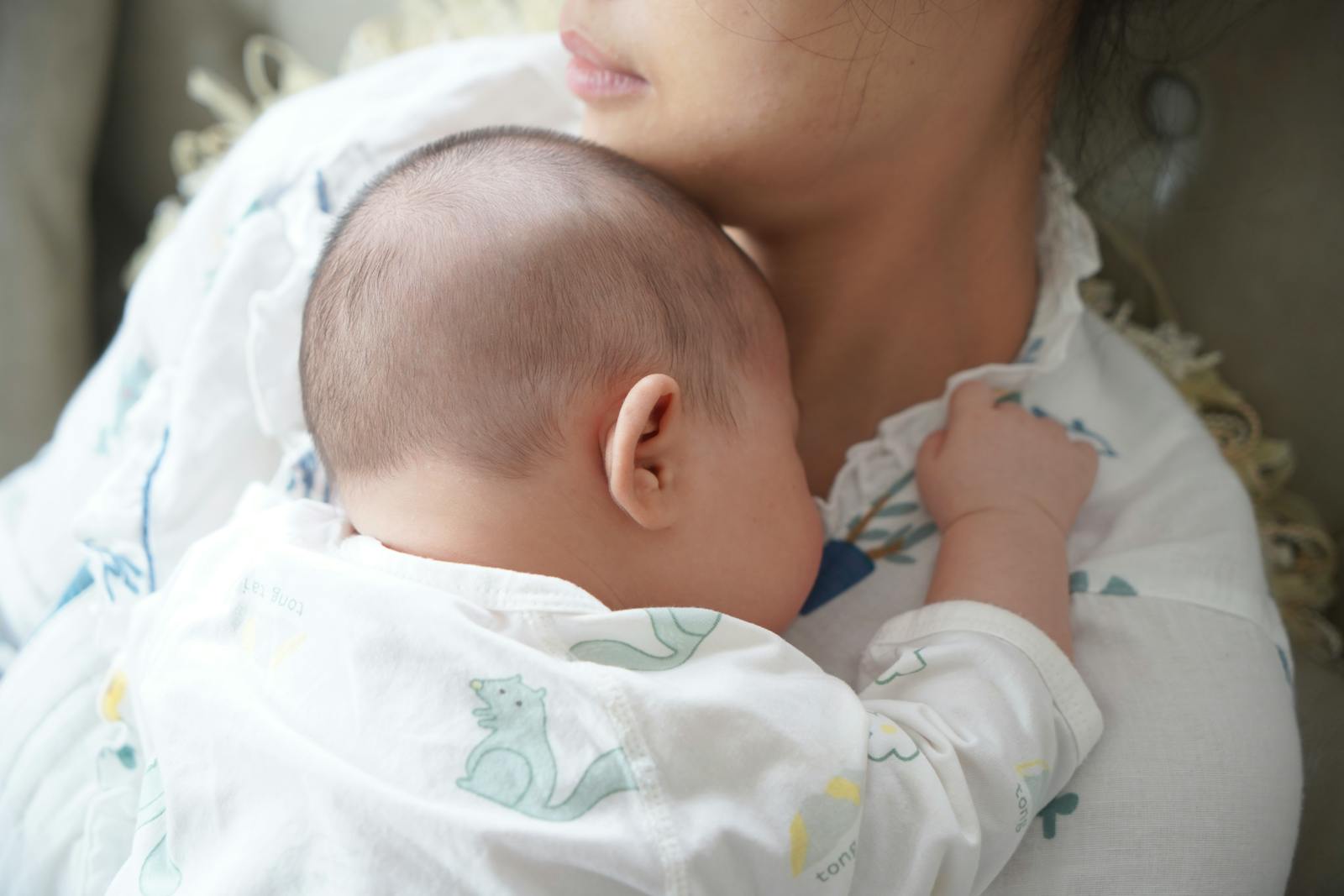
When Sarah posted in a parenting forum that she wanted a second baby but could not stop replaying the months after her first, when she barely ate, could not sleep even when the baby slept, and felt certain her family would be better off without her, hundreds of parents responded with some version of the same sentence: “I could have written this.” The thread, which surfaced on Reddit’s r/beyondthebump, captures a dilemma that perinatal mental health specialists say they hear constantly: the desire to grow a family colliding with the memory of a postpartum crisis that nearly broke it.
That collision is not rare. According to the American College of Obstetricians and Gynecologists (ACOG), parents who experienced postpartum depression after a previous birth face a recurrence risk between roughly 40 and 50 percent. The number is sobering, but it also means that about half of those parents will not have a repeat episode, and that the odds improve further with proactive care.

Why the fear feels so overpowering
Postpartum depression is not a rough week of “baby blues.” The National Institute of Mental Health (NIMH) describes it as a serious mood disorder that can include persistent sadness, loss of interest in the baby, intrusive thoughts of harm, and difficulty functioning, sometimes lasting months if untreated. Parents who lived through a severe episode often describe it as a betrayal by their own brain: they expected joy and got terror instead.
That kind of psychological wound does not fade easily. The Cleveland Clinic notes that hormonal shifts after birth, sleep deprivation, and prior mental health history all feed into PPD risk, and for someone who has already experienced the full force of those factors, the body’s memory of that period can trigger anxiety long before a second pregnancy even begins. Personal accounts collected on the Office on Women’s Health website echo this: parents describe feeling disconnected from their babies, ashamed to ask for help, and terrified by thoughts they did not recognize as their own.
What recurrence risk actually looks like
A 40 to 50 percent recurrence rate sounds alarming in isolation, but context matters. That figure reflects outcomes across all parents with a prior episode, including those who received no preventive treatment. When parents work with a perinatal mental health specialist before or early in pregnancy, research suggests the risk drops meaningfully. A frequently cited approach involves starting or resuming antidepressant therapy during the third trimester or immediately after delivery, a strategy supported by clinical guidance from the MGH Center for Women’s Mental Health at Massachusetts General Hospital.
Biological and social factors both play a role. Hormonal sensitivity after birth varies from person to person, and so do the stressors that pile on top of it: financial pressure, relationship strain, lack of childcare, isolation. The critical insight from perinatal researchers is that while biology cannot be fully controlled, many of the social and logistical triggers can be anticipated and softened with planning.
New treatment options worth knowing about
The treatment landscape for postpartum depression has shifted in recent years. In August 2023, the FDA approved zuranolone (brand name Zurzuvae), the first oral medication developed specifically for PPD. Unlike traditional antidepressants, which can take weeks to reach full effect, zuranolone is a 14-day course that targets the neuroactive steroid system and showed rapid symptom improvement in clinical trials. It is not appropriate for every patient, and as of early 2026, access and insurance coverage remain uneven, but its existence gives clinicians another tool for parents at high risk of recurrence.
Traditional options remain important, too. Selective serotonin reuptake inhibitors (SSRIs) such as sertraline are widely used during pregnancy and breastfeeding, with safety data reviewed by ACOG. Cognitive behavioral therapy (CBT) and interpersonal therapy (IPT) have strong evidence bases for both prevention and treatment of perinatal depression. The best plans, specialists say, combine medication decisions with therapy and practical support rather than relying on any single intervention.
Building a plan before conception
Perinatal mood disorder specialists encourage parents to treat a second pregnancy as a project that starts before the positive test. Clinics such as The Motherhood Center in New York recommend a preconception consultation that reviews what happened the first time: what symptoms appeared, how quickly they escalated, what helped, and what was missing. From that review, the parent and clinician build a written plan covering who will monitor mood, what medications are on the table, and what the escalation steps look like if symptoms return.
The Australian nonprofit PANDA (Perinatal Anxiety & Depression Australia) adds a practical layer that clinical plans sometimes overlook: logistics. Who will handle night feeds so the recovering parent can sleep in blocks? Is there childcare lined up for the older sibling during the first weeks? Has the parent rehearsed a clear, specific way to ask for help rather than waiting until they are too deep in crisis to speak up? For someone who tried to power through alone the first time, this kind of planning can feel uncomfortable, but it directly targets the isolation and exhaustion that worsen PPD.
What partners and families need to understand
A safety net only works if the people in it know what to watch for. Partners and close family members should be briefed on early warning signs: withdrawal from the baby, inability to sleep even when given the chance, expressions of hopelessness or guilt that seem disproportionate, and any mention of the family being “better off without me.” The NIMH’s postpartum depression fact sheet provides a clear symptom list that families can review together before the birth.
Partners also need to understand that checking in once is not enough. Postpartum depression can emerge weeks or even months after delivery, and a parent who seems fine at the two-week mark may be struggling silently by month three. Regular, low-pressure conversations about mood, not just “Are you OK?” but “How did today actually feel?” can create openings that a struggling parent might not create on their own.
When the answer is one child, and that is enough
Not every parent who wants a second baby decides to have one, and clinicians stress that choosing to stop at one child is a legitimate, healthy outcome. In a personal essay published by Postpartum Support International, one mother describes eventually choosing a second pregnancy after assembling a therapist, a supportive partner, and firm boundaries around visitors and work. But other parents in similar accounts describe reaching a different conclusion: that their mental health and their existing family’s stability are better protected by not going through it again.
Both paths require grieving something. The parent who tries again grieves the certainty of safety. The parent who stops grieves the family they imagined. Therapists who specialize in perinatal issues say that either decision deserves support, not judgment, and that counseling can help a parent move forward without being trapped by guilt in either direction.
Where to find help now
Access to perinatal mental health care remains uneven across the United States. Federal tools like FindTreatment.gov can help locate providers, and Postpartum Support International’s helpline (1-800-944-4773) connects callers with local resources and support groups, including options in Spanish. For parents outside major metro areas, telehealth therapy and virtual support groups have expanded significantly since the pandemic and can fill gaps where in-person specialists are scarce.
If thoughts of self-harm or harm to the baby emerge at any point, the 988 Suicide & Crisis Lifeline (call or text 988) provides immediate support. Clinicians urge families to save this number in their phones before the birth, not because crisis is expected, but because in a moment of panic, searching for a number feels impossible.
Postpartum depression after a first baby does not have to dictate what comes next. It does, however, demand that what comes next is approached with honesty, preparation, and the kind of support that too many parents lacked the first time around.
More from Decluttering Mom: